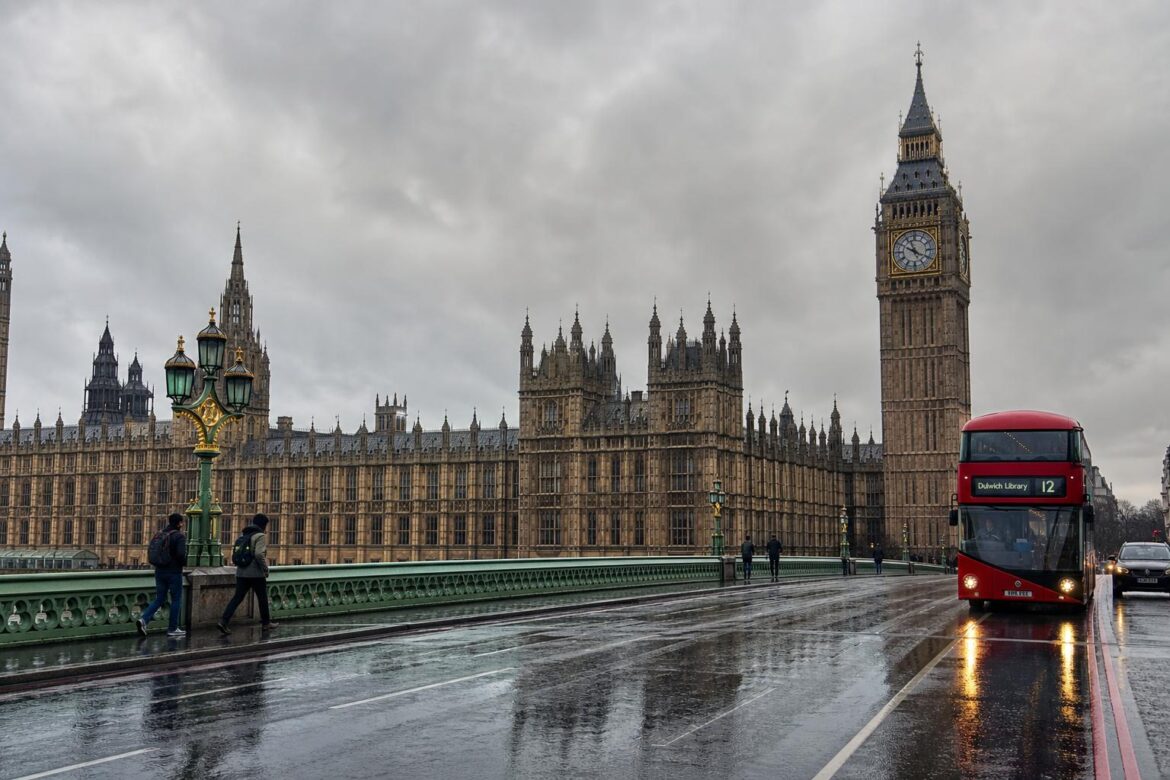
If you’ve googled “weather London” and landed here, you probably want a clear, useful answer—not guesses. Here’s the thing: there are two Londons most Canadians care about. One sits in Southwestern Ontario, squarely in the Great Lakes snowbelt. The other sits on the Thames in the UK, famous for drizzle, striking heatwaves in recent years, and surprising amounts of sunshine between showers. This guide explains both, side by side, with concrete tips for daily life, travel planning, and smart decisions—whether you’re commuting across Hyde Park or bundling up on Wonderland Road.
By the end, you’ll know how each city’s climate actually feels, what to pack in every season, how to read local forecasts, what weather risks to take seriously, and how to stay comfortable without overspending on gear or energy bills. We’ll use Canadian references throughout—ECCC alerts, Ontario driving norms, AQHI, winter tires—so it all clicks fast.
The Two Londons at a Glance
Weather London doesn’t mean one thing. London, Ontario and London, UK share a name and a river called the Thames, but their skies behave differently.
London, Ontario is humid continental. Summers are warm to hot and often humid, with thunderstorms. Winters are cold, snowy, and shaped by lake-effect bands off Lake Huron. The city sits in a snowbelt: a small change in wind can turn a quiet afternoon into a whiteout west of the city while the east end stays merely slushy. Expect quick shifts and strong seasons.
London, UK is maritime. Winters are cool and damp, rarely frigid. Summers are mild, but heatwaves have become more intense. Rain falls in light showers more often than in day-long downpours. Sunshine shows up more than the clichés suggest. Snow is occasional and short-lived, but when it does arrive, even small amounts can disrupt transit because the city isn’t built for deep freezes.
Both cities show urban heat island effects: dense cores run warmer than surrounding suburbs. River valleys can be cooler and foggier at dawn. Both also face the fingerprints of climate change—heavier rains at times, hotter extremes, and less predictable transitions between seasons.
Seasonal Weather in London, Ontario
Winter (December to February): Snowbelts, Squalls, and Wind Chill
Winter in London, Ontario means real winter. Cold snaps drop well below freezing. When winds blow off Lake Huron, narrow snow bands can park over parts of the city, turning a 10-minute drive into three different climates. One neighbourhood clocks an extra 20 cm of snow while another stays lightly dusted.
Wind chill matters. -10°C with wind can feel like -20°C on your face and fingers. Dress with windproof layers and cover skin; frostbite risk ramps up faster than many visitors expect. Freezing rain is another Southwestern Ontario specialty. It coats roads and sidewalks in glare ice and snaps tree branches. Don’t underestimate it—ice days send collision numbers up and power lines down.
For drivers, Ontario doesn’t mandate winter tires province-wide, but insurers must offer a discount if you install them seasonally. It’s worth it. Winter tires grip in cold conditions far better than all-seasons, even on dry pavement. Studded tires are restricted to Northern Ontario and specific dates; they’re not permitted in most of Southern Ontario. When snow squalls are in the forecast west of the city, Highway 402 and County Road 22 can degrade fast—check Ontario 511 before you leave. Keep a blanket, shovel, and traction aids in your trunk.
At home, energy bills jump. A well-sealed house, a tuned furnace, and a programmable thermostat can shave real dollars. Keep thermostats moderate (around 20°C when home, lower overnight) and change filters regularly. Carbon monoxide alarms are legally required in Ontario homes with fuel-burning appliances or attached garages—test them. City crews clear major routes first in heavy snow; residential streets take longer. Many Ontario cities expect residents to clear sidewalks promptly after storms; check your local by-laws for timelines and set a plan with neighbours if you’re away.
Spring (March to May): The Long Thaw, Flood Risk, and Allergies
Spring doesn’t flip a clean switch. Expect freeze–thaw cycles in March. One week delivers sun and 8°C, the next a late snow. The Thames River runs high as snowmelt and spring rains arrive; localized flooding is possible in low-lying areas and along tributaries. In and around London, conservation authorities issue watershed advisories—sign up for local bulletins and avoid fast water near trails.
April brings wind, showers, and the first real cycling days. It’s also pothole season. Tires and wheels take a beating on spring roads; give yourself space and time to dodge the worst craters. May hits a sweet spot for running, gardening, and patios. Thunderstorms start showing up, sometimes powerful. When lightning is near, get off open fields and trails and into enclosed shelters. For many, tree pollen in April and grass pollen in May turn sidewalks into sneeze tracks. Check the daily pollen index and plan outdoor time accordingly.
Clothing strategy: layers you can shed by noon. Waterproof, not just warm. A light shell plus mid-layer and breathable base keeps you dry without boiling. Boots that handle both slush and wet grass are a spring sanity-saver.
Summer (June to August): Humidex, Thunderstorms, and Heat Safety
Summer in London, Ontario is warm and often humid. Daytime highs commonly sit in the mid-to-high 20s°C, but add humidity and the humidex can push well into the 30s. That “sauna” feeling is real: sweat doesn’t evaporate as well, and your body works harder to cool. Hydrate, use shade, and ease into workouts on the first hot days. The UV index can spike—sunscreen and a brimmed hat should be default gear from June through August.
Thunderstorms are part of the package. Many are garden-variety, some severe with torrential rain, hail, or damaging winds. Southwestern Ontario sees Canada’s highest concentration of tornado reports. While most are weak, a few can be destructive. When Environment and Climate Change Canada (ECCC) issues a tornado warning, move to an interior room on the lowest level, away from windows. In apartments, a hallway or interior staircase is safer than a balcony view.
Air conditioning isn’t optional for everyone, especially during multi-day heat events. If you don’t have A/C, make use of cooling centres and libraries. A single HEPA filter unit helps with summer wildfire smoke days—a reality that made headlines in 2023 when smoke traveled widely across Ontario. Check the Air Quality Health Index (AQHI) and reduce strenuous activity outdoors when the index rises.
Fall (September to November): The Slow Slide Back to Chill
September is often glorious: warm days, cool nights, and lower humidity. Outdoor events like Sunfest (often held earlier in summer) give way to harvest markets and campus move-in energy. October turns colourful and breezier; frost hits gardens by mid-to-late month in most years. November is a swing month—early snow or endless drizzle, sometimes both in one week. Storm tracks intensify, and wind gusts climb. Rake early while leaves are dry; wet piles add weight that trashes your lower back and clogs curbs. Keep eavestroughs clear before freeze-up to avoid ice dams later.
Driving gets tricky again. Black ice appears on bridges and shaded stretches first. Short daylight hours amplify fatigue—schedule commutes and longer trips with more buffer time. On wet nights, slow down a notch; hydroplaning can sneak up even at legal speeds.
Monthly Snapshot: London, Ontario
The following ranges reflect typical conditions many locals recognize. Day-to-day weather can land outside these bands, so always check a fresh forecast:
| Month | Typical Daytime High (°C) | Typical Nighttime Low (°C) | Precipitation Pattern |
|---|---|---|---|
| January | -3 to -1 | -11 to -7 | Frequent snow; lake-effect squalls |
| February | -1 to 0 | -10 to -7 | Snow; occasional freeze–thaw |
| March | 4 to 6 | -6 to -2 | Mixed rain/snow; gusty |
| April | 11 to 13 | 1 to 3 | Showers; wind |
| May | 18 to 21 | 7 to 10 | Increasing thunderstorms |
| June | 24 to 26 | 13 to 16 | Humid spells; storms |
| July | 26 to 28 | 15 to 18 | Hot/humid; frequent storms |
| August | 25 to 27 | 14 to 17 | Muggy; thunderstorms |
| September | 20 to 22 | 10 to 13 | Pleasant; drier |
| October | 13 to 15 | 4 to 7 | Showers; first frosts |
| November | 6 to 8 | 0 to 2 | Rain; first snow |
| December | -1 to 2 | -8 to -5 | Snow returns; occasional ice |
Seasonal Weather in London, UK
Winter (December to February): Cool, Damp, and Darker Days
London, UK winters are more about damp cool than deep freeze. Daytime is typically single digits Celsius, nights a few degrees above freezing, with occasional dips below. When cold air and moisture line up, wet snow may fall, but large accumulations are rare and short-lived across most of Greater London. The bigger seasonal challenge is limited daylight—afternoons feel short, and gray skies can stretch across several days.
Transit keeps moving through light snow and showers, but any icing can create delays. On foot, waterproof footwear matters more than insulation. A compact umbrella is useful, but a good hooded rain shell beats fighting a wind-flipped brolly on Waterloo Bridge. Indoors, many buildings run cooler than Canadian homes in winter; pack a warm sweater for museums and cafes.
Spring (March to May): Variable Skies and Early Green
Spring is a mood ring. One day feels like early summer on the South Bank; the next sends you back to your jacket. Blossoms arrive early by Canadian standards—daffodils pop in March, cherry trees flash pink in April. Showers are frequent, generally light, and short-lived. Sunshine hours increase steadily, and parks dry out between bursts of rain.
Allergies often start earlier than in Canada. If birch or grass pollen gets you at home in Toronto or Vancouver, expect a similar pattern here but advanced by a few weeks. Carry your meds and check daily forecasts from the Met Office or local apps.
Summer (June to August): Mild Most Days, Serious Heatwaves Sometimes
Summers in London are usually comfortable, with daytime highs often in the low 20s°C and pleasant evenings. However, climate change has introduced more frequent and intense heatwaves. In July 2022, parts of the city exceeded 40°C for the first time on record. When that happens, the city’s famous lack of widespread residential air conditioning becomes a real health stressor.
On heat-alert days, seek air-conditioned public spaces—museums, large shops, and some transit stations. Hydrate, slow down midday, and understand that the Tube can run very warm in older tunnels. While rain eases in summer, pop-up downpours still happen. A light, packable rain jacket remains a good idea.
Autumn (September to November): Gentle Fade, Blustery Edges
September is a favourite month: warm days, cooler nights, and fewer crowds. By October, leaves turn and showers pick up. November leans windier and wetter, with more frequent Atlantic systems bringing prolonged rain. Temperatures remain moderate compared to Canadian fall, but dampness can make 10°C feel raw. A lined raincoat and waterproof shoes keep you comfortable on city walks.
Monthly Snapshot: London, UK
Here’s a quick, practical guide to typical temperatures and precipitation style in Greater London. Local variation exists—the City core runs warmer than outer boroughs, and Heathrow skews slightly warmer than parks.
| Month | Typical Daytime High (°C) | Typical Nighttime Low (°C) | Precipitation Pattern |
|---|---|---|---|
| January | 7 to 9 | 1 to 3 | Light rain/drizzle; rare snow |
| February | 7 to 9 | 1 to 3 | Showers; occasional frost |
| March | 10 to 12 | 3 to 5 | Mixed sun/showers |
| April | 13 to 15 | 5 to 7 | Frequent light showers |
| May | 16 to 19 | 8 to 11 | Showers; longer sunny spells |
| June | 20 to 22 | 12 to 14 | Mostly dry; brief downpours |
| July | 22 to 25 | 14 to 16 | Dry spells; heatwaves possible |
| August | 22 to 25 | 14 to 16 | Dry spells; thunderstorms at times |
| September | 19 to 21 | 11 to 13 | Mild; intermittent showers |
| October | 15 to 17 | 8 to 10 | Wetter; windier |
| November | 10 to 12 | 4 to 6 | Frequent rain; blustery |
| December | 7 to 9 | 2 to 4 | Showers; occasional sleet |
Weather Tools and Alerts Canadians Should Use
If you live in or travel to London, Ontario, rely on Canadian sources first. Environment and Climate Change Canada (ECCC) issues watches and warnings for severe weather, including tornadoes, wind, thunderstorms, snow squalls, and freezing rain. The WeatherCAN app delivers alerts by location. For roads, Ontario 511 shows plow activity, lane closures, and real-time traffic. During spring melt or heavy rain, check your local conservation authority for flood advisories. Hydro One and London Hydro provide outage maps when storms knock out power.
For London, UK, bookmark the Met Office. Its National Severe Weather Warning Service uses yellow, amber, and red alerts—easy to read at a glance. BBC Weather offers friendly daily summaries. When weather complications hit, Transport for London (TfL) posts live service status for the Tube, Overground, buses, and DLR; rail operators update National Rail for regional lines. On heatwave days or rare snow mornings, that quick check can save you a commute headache.
Microclimates and Neighbourhood Differences
In London, Ontario, microclimates aren’t trivia; they matter to your shovel and your schedule. North and west of the city centre see more snow in classic lake-effect setups. South and east often see lighter totals on the same day. River valleys and low spots collect fog on cool, humid mornings. The urban core runs warmer at night than rural surroundings, stretching growing seasons and reducing frost frequency by a few nights a year.
In London, UK, differences play out across boroughs and open spaces. The City and West End retain heat at night, while large parks—Richmond, Hyde, Hampstead Heath—run cooler and can produce localized mist at dawn. Heathrow is a touch warmer and sunnier than inner-London stations due to siting and exposure. East along the Thames estuary, breezes pick up and clouds sometimes break faster. If you’re a runner, you’ll feel these shifts in how quickly you shed layers.
Packing and Clothing: What to Wear, Month by Month
London, Ontario: Practical Layering for Real Swings
Winter: Insulated, windproof jacket; warm hat, scarf, and mitts (mitts beat gloves for real cold); thermal base layers; waterproof boots with tread; traction aids on icy days. Keep a spare pair of socks in your bag—snowbanks find a way in.
Spring: Waterproof shell; light fleece or sweater; quick-dry pants; waterproof footwear. Add a compact umbrella and sunglasses—spring sun is bright between showers.
Summer: Breathable fabrics; brimmed hat; light rain jacket; comfortable sandals or runners that can handle sudden downpours. For outdoor events, toss a compact poncho and a refillable water bottle into your daypack.
Fall: Lined raincoat; mid-weight sweater; warm, water-resistant shoes. Early frost mornings need gloves; by November, have your winter kit ready by the door.
London, UK: Weather-Resilient Citywear
Winter: Medium-weight coat, ideally water-resistant; warm sweater; scarf; waterproof shoes. Thermal layers are useful on chilly mornings, but you’ll shed them indoors. Gloves make early Tube rides more pleasant when platforms are drafty.
Spring: Light waterproof jacket; layers you can peel off; comfortable walking shoes that won’t slip on wet stone or tile. A small umbrella earns its pocket space.
Summer: Light layers, breathable shirts; packable rain shell. On heatwave days, a sunhat and sunscreen matter more than you might expect in London.
Autumn: Lined raincoat; ankle boots with grip; compact umbrella. Expect wind; choose hoods that secure well, not ones that fly like a kite on Westminster Bridge.
Driving, Transit, and Cycling in Different Conditions
London, Ontario
Winter driving dominates local weather risk. Winter tires plus a gentle right foot are your baseline. Keep washer fluid topped with winter-grade mix; salt spray will cover your windshield constantly. Use headlights in snow and rain, not just for you to see, but so others see you. If ECCC issues a snow squall warning, reconsider non-essential highway travel—visibility can crash from clear to whiteout in minutes on westbound routes.
Transit runs but can lag in storms; factor extra time for buses and train connections. Cycling in winter is possible with studded bike tires (legal for bicycles) and fenders; on side streets, watch for windrows at intersections and black ice under overpasses. In shoulder seasons, strong crosswinds jolting you on exposed bridges are more common than you’d think.
London, UK
Rain shapes commutes more than snow. Standing water collects at curbs during short, intense bursts; choose footwear accordingly and watch for spray from passing vehicles. On the Tube, extreme heat can affect lines with older infrastructure—carry water. When rare snow falls, transit can delay or reroute; build buffer time into your itinerary.
Cycling is popular and increasingly supported by segregated lanes. In rain, London’s polished stone, paint, and metal utility covers turn slick—take corners gently and brake early. Winds pick up near the river and open plazas; expect gusts around tall buildings that can nudge your line.
Health, Safety, and Home Preparedness
UV and heat: In both cities, UV climbs fast in late spring. Canadians sometimes drop sun habits when it’s “only” 20°C—don’t. For London, Ontario’s humidex days, schedule outdoor work early and late, and check on older neighbours during heat warnings. In London, UK heatwaves, the gap between outdoor heat and indoor cooling is smaller; seek shaded parks or public buildings during the afternoon peak.
Air quality: Use Canada’s Air Quality Health Index (AQHI) in London, Ontario. Wildfire smoke can spike levels even far from flames; a portable HEPA filter improves indoor air. In the UK, the Department for Environment, Food & Rural Affairs (DEFRA) posts local air quality. If you have asthma or heart disease, let air quality reports guide your day more than the rain chance.
Storm readiness: Power bumps happen. Keep a flashlight, batteries, a battery pack for your phone, and at least a few litres of bottled water on hand. In Ontario, a carbon monoxide alarm is mandatory in homes with fuel-burning appliances or attached garages—check batteries every time the clocks change. Consider a backwater valve and sump pump maintenance if your London, Ontario home sits in a flood-prone neighbourhood; many municipalities offer periodic subsidies, so check current programs.
Mental weather: Short daylight and gray strings can weigh on mood in both cities, especially in late fall. A morning walk, even under clouds, helps. Light therapy boxes are common in Canada and can be useful in the UK too, especially if you’re working early or late and missing natural light.
Weather and Money: Energy, Insurance, and Travel Costs
Heating and cooling: In London, Ontario, natural gas furnaces dominate, with electricity running air conditioners and many heat pumps. Time-of-Use or tiered electricity pricing affects your bill; shifting laundry and dishwasher runs to off-peak periods saves money. If you’re renting and can’t upgrade insulation, simple fixes—weatherstripping doors, sealing window gaps with removable film, closing blinds at night—pay back quickly. In summer, cross-ventilation in the evening reduces A/C hours, and a ceiling fan lets you set the thermostat a couple of degrees higher.
In London, UK, flats can run cooler in winter and warmer in summer than Canadians expect. If you’re staying a while, a small, efficient dehumidifier makes damp apartments feel warmer with less heating. On heatwave days, a basic pedestal fan plus strategic window shading can keep a bedroom sleepable.
Insurance and weather: In Ontario, installing winter tires can reduce your auto insurance premium; speak to your provider and keep dated receipts or photos. Home policies vary in coverage for sewer backup and overland flooding—review yours before storm season. For travel to London, UK, consider trip insurance that covers weather-related delays, especially in winter when Atlantic storms or freezing fog can ripple through flight schedules.
Events, Seasons, and the Best Time to Go
Visiting London, UK for the first time? Late spring (May–June) and early fall (September) strike the balance: mild temperatures, long days, and manageable crowds. If you’re aiming for outdoor theatre, park picnics, or Wimbledon, watch for short showers and carry a light shell. In August, Notting Hill Carnival often lands on warm, humid days—sun protection and water are musts.
For London, Ontario life and visits, June and September are standouts: trails are dry, patios comfortable, and humidity moderate. July and August are big-festival months—expect heat and the odd storm; bring a sun hat and a backup plan. Autumn offers brilliant foliage in nearby conservation areas. Winter brings skiing and tubing at Boler Mountain and snowy runs along the river trails on crisp mornings; when squalls pause, it’s beautiful.
Long-Term Trends and Climate Change
“Normal” is shifting. In London, Ontario, warmer nights are subtly changing winter’s shape and raising the odds of freezing rain. Extreme rain events can drop more water in less time, testing stormwater systems. Heat waves are getting longer and hotter. Expect more days where humidex and AQHI jointly influence plans.
In London, UK, increasing heat extremes are already evident—the 2022 record above 40°C was a watershed moment. Heavy rain can lead to surface water flooding, particularly where drainage struggles to keep up. The city’s flood defenses on the Thames are robust, but intense summer downpours away from the river can still overwhelm local streets and basements.
Adaptation is practical, not abstract: plant shade trees, choose lighter-colour roofing where allowed, maintain gutters and downspouts, and keep an emergency kit. On sweltering days, check on neighbours. On stormy days, clear curb grates by your home. These small acts scale up city-wide.
Common Mistakes Canadians Make About “Weather London”
“London, UK is rain all the time.” Not quite. It rains often in small doses, but total annual rainfall is lower than in many Canadian cities, and sunshine appears regularly between showers.
“London, Ontario winters are like Toronto’s.” Sometimes, but lake-effect snow makes London more volatile. A quiet forecast for Toronto can be a squall day west of Highway 401. Always read the detailed local discussion, especially in January and February.
“Umbrella solves everything in the UK.” Wind says otherwise. A waterproof hood you’ll actually wear wins most days.
“I’ll manage without winter tires in London, Ontario.” Technically legal, often unwise. Stopping distances diverge dramatically below 7°C, even on dry roads. A simple choice improves safety.
“Heat isn’t a big deal in London, UK.” It is during heatwaves. Fewer buildings have A/C. Make a plan for cooling, especially at night.
How to Read and Act on a Forecast
For London, Ontario:
- If ECCC mentions “snow squall warning,” expect intense, localized whiteouts with near-zero visibility and rapid accumulation. Delay highway trips if you can.
- “Freezing rain” means ice accretion on all surfaces. Avoid driving unless necessary; walking can be riskier than you think—use traction cleats.
- “Humidex 38” means your body experiences it like 38°C even if the air is cooler; reduce strenuous afternoon activity and drink more water.
- “Risk of severe thunderstorms” isn’t theatre—move events under sturdy shelter, secure patio furniture, and charge devices.
For London, UK:
- “Showers” often means intermittent, short bursts with long dry gaps—don’t cancel your day; just pack a shell.
- “Heavy rain with strong winds” can snarl transit and create surface flooding—add travel buffer and waterproof your footwear.
- “Heat health warning” from the Met Office merits action: carry water, plan indoor breaks, and check room temperatures for kids and older adults.
Neighbourhood and Outdoor Planning Examples
Running in London, Ontario in March? Expect a little of everything. River paths can be icy in shaded sections and muddy in sun. Traction and a washable outer layer make post-run clean-up painless. Morning fog burns off faster in open fields than along wooded creeks.
Heading to a day trip from London, UK in April? Layers and a compact umbrella will cover you from Greenwich’s river breeze to Kew Gardens’ sheltered warmth. If wind kicks up, the Thames Path can feel colder than the temp suggests; step a few streets inland and the chill eases.
Driving the 402 in a January squall? If visibility drops to near zero, exit at the next safe opportunity. Do not stop in live lanes or on the shoulder where you could be rear-ended; aim for a service centre or off-ramp turnout. Squalls pass, but it’s safer off the highway while they do.
Weather London for Families, Students, and Newcomers
Families in London, Ontario: Build a school-morning plan for snow days. Have indoor play alternatives for ice storms when sidewalks are off-limits. Keep extra mitts and socks by the door—kids discover slush the way magnets find fridges.
Students at Western or Fanshawe: Budget time for weather swings. A compact rain shell in your backpack is cheap insurance. In winter, campuses clear fast, but bus stops can still be icy—non-slip soles make a difference at 7:45 a.m.
Newcomers to London, UK: Invest in a mid-quality raincoat and water-resistant shoes first. You’ll use them weekly. No need to overbuy—London fashion rewards practical, not arctic expedition gear.
Checklists You’ll Actually Use
London, Ontario Winter Car Kit
- Snow brush/ice scraper and a small shovel
- Jumper cables and traction aids (sand, cat litter, or traction boards)
- Warm blanket, spare mitts, hat, socks
- Phone charger/power bank and a flashlight
- Non-perishable snacks and water
London, UK Year-Round Daypack
- Packable rain jacket or small umbrella
- Reusable water bottle
- Light layer (cardigan or thin fleece)
- Portable phone charger
- Small pack towel for surprise showers on benches and steps
Getting Reliable Data Fast
When you need a five-minute decision—what to wear, whether to bike, if that flight will likely run—use official sources first, then scan a radar:
- London, Ontario: WeatherCAN app for alerts; ECCC radar for storm timing; Ontario 511 for driving; local conservation authority for flood outlooks.
- London, UK: Met Office app for warnings; BBC Weather for plain-English summaries; TfL for network status; rain radar maps to time short showers.
Social media is useful for on-the-ground photos during fast-evolving events, but verify with official channels before changing plans.
Final Thoughts: Weather London Without the Guesswork
Weather London means two different playbooks. In Ontario, respect snow squalls, freezing rain, and humidex events; smart gear and a few apps take the pain out of most days. In the UK, think layers, light waterproofing, and heatwave awareness; showers come and go, and most plans carry on.
Both cities reward people who dress for change, read the fine print in forecasts, and build small buffers into busy days. Do that, and the weather becomes a backdrop—not the main act.
FAQ
What is the best month to visit London, UK for comfortable weather?
May, June, and September usually offer mild temperatures, longer daylight, and fewer extended rain spells. Pack a light rain jacket and you’re set for most days.
How bad is winter weather in London, Ontario compared to Toronto?
Colder snaps are similar, but London sees more frequent and heavier snow thanks to lake-effect from Lake Huron. A “quiet” day in Toronto can be a whiteout west of the city.
Do I need winter tires in London, Ontario?
Not legally everywhere, but they’re strongly recommended. Ontario insurers must offer a discount for winter tire use, and stopping distances are far better below 7°C.
Does it really rain all the time in London, UK?
No. Showers are frequent but often brief. You’ll see sunshine between them. Total annual rainfall is lower than in many Canadian cities on the West Coast.
What should I wear in London, UK in November?
A lined raincoat, waterproof shoes, a warm layer, and a compact umbrella. Expect wind and frequent showers with cool, damp air.
What is the humidex, and why does it matter in London, Ontario?
The humidex blends temperature and humidity to reflect how hot it feels to your body. In summer, a humidex in the mid-30s means you’ll overheat faster—hydrate and reduce midday exertion.
How common are heatwaves in London, UK?
They’re more frequent and more intense than a decade ago. While most summer days are mild, multi-day heat events now require active cooling strategies, especially indoors without A/C.
Is snow common in London, UK?
Light snow happens some winters, but sustained snow cover is unusual. When it does snow, even small amounts can disrupt transit and roads.
Where can I get reliable weather alerts for London, Ontario?
Use the WeatherCAN app for ECCC alerts. For driving conditions, check Ontario 511. During floods, follow your conservation authority and municipal channels.
How does fog affect travel in either London?
In London, Ontario, river valleys see patchy morning fog that lifts as the sun warms. In London, UK, fog and low cloud can slow morning flights and reduce visibility on bridges; transit usually continues with caution.
What’s the average temperature in London, UK in July?
Typical daytime highs are in the low-to-mid 20s°C, with warmer spells during heatwaves. Evenings are comfortable, though the Tube can feel hot.
How much snow does London, Ontario get?
Snowfall varies widely year to year due to lake-effect. Some winters bring frequent heavy bands and deep totals; others are more moderate. Always check local forecasts during squall season.
What should I pack for a March trip to London, UK?
Layered clothing, a light waterproof jacket, comfortable waterproof shoes, and a compact umbrella. Expect variable days with sun, showers, and cool evenings.
Are thunderstorms common in London, Ontario?
Yes, especially from late spring through summer. Some storms are severe. When warnings are issued, move indoors away from windows and delay outdoor plans.
Any special winter safety tips for walking in London, Ontario?
Use footwear with good tread, consider traction cleats on icy days, and walk with shorter steps. Watch shaded sidewalks and curb cuts where black ice lingers.
Does air quality matter much in either city?
Yes. In London, Ontario, wildfire smoke days can spike AQHI readings—use HEPA filtration and limit exertion outdoors. In London, UK, NO2 and particulates vary by area and traffic; check local advisories if you’re sensitive.
What’s the best way to time a run or bike ride around showers in London, UK?
Use a live rain radar and the Met Office forecast. Many showers are short; a 30–60 minute window often opens between bands. A light shell handles the rest.
How early does spring arrive in London, UK compared to most of Canada?
Much earlier. Daffodils appear in March and trees leaf out by April, weeks ahead of many Canadian cities outside the West Coast.
Should I worry about basement flooding in London, Ontario?
If you live near flood-prone areas or older neighbourhoods, yes—especially during spring melt or severe summer storms. Maintain eavestroughs, keep window wells clear, and consider a backwater valve and sump pump testing.
What’s the single best piece of weather gear for each London?
For London, Ontario: proper winter tires for your car, and a windproof winter jacket for you. For London, UK: a breathable, truly waterproof shell you don’t mind wearing daily.