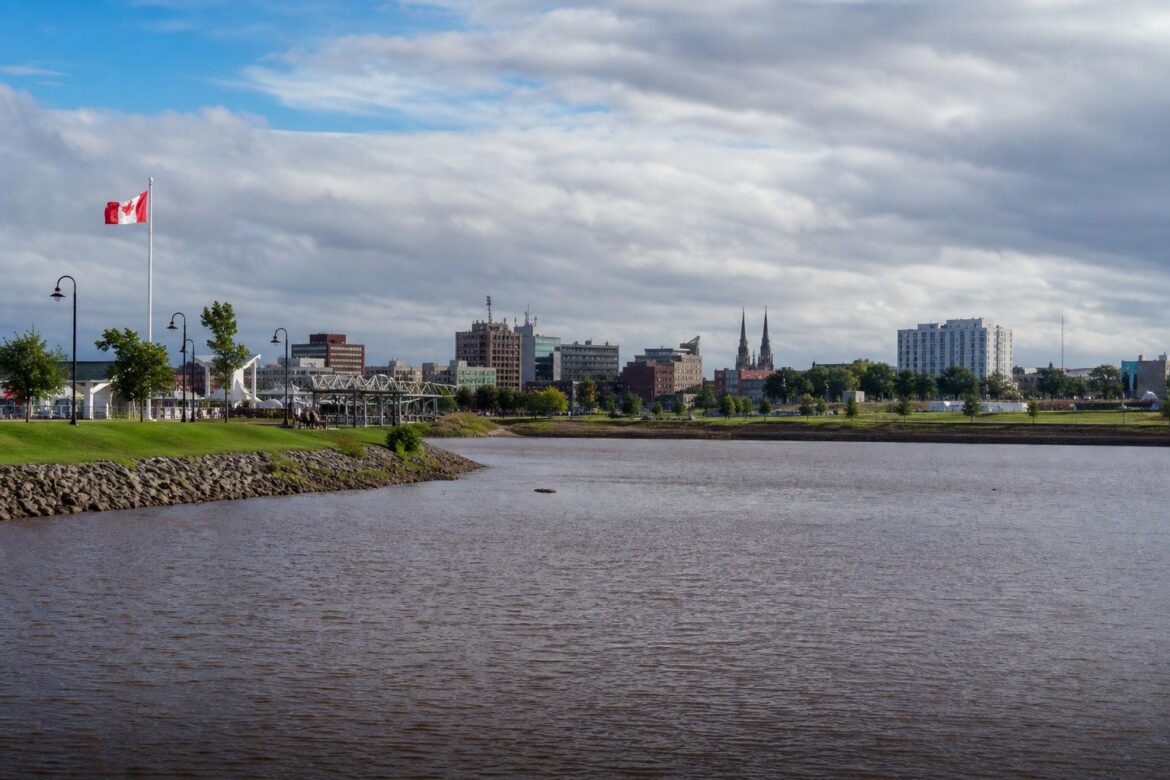
Moncton weather has personality. Some mornings you’ll watch fog lift off the Petitcodiac River like steam from a strong coffee. Other days, a nor’easter parks over the Maritimes and the city trades quiet streets for the growl of snowplows. Summer shows up warm and green, then hands the baton to a fall so crisp and colourful it feels designed. If you’re moving to Moncton, planning a visit, or just want to read the forecast with confidence, this guide breaks down the city’s climate with practical, Canadian-specific detail—what to expect, how to prepare, and how to enjoy every season on its own terms.
Where Moncton Sits—and Why Its Weather Behaves the Way It Does
Moncton lies in southeastern New Brunswick, a short drive from the Bay of Fundy and its famous tides. That geography matters. Maritime air off the bay collides with continental systems pushing in from Quebec and New England. The Petitcodiac River valley funnels wind, spreads fog, and holds cold air on calm nights. The result? A humid continental climate that blends ocean influence with big seasonal swings.
In plain terms, count on cold, snowy winters; a messy, stop-and-start spring; warm, often humid summers; and a gorgeous, changeable fall. Weather in Moncton runs a little more extreme than on the open coast (think Shediac or Cap-Pelé) but not as harsh as far inland New Brunswick. That balance keeps Moncton weather interesting—and occasionally unpredictable.
Storm tracks matter here. Nor’easters riding up the Eastern Seaboard can dump heavy snow or cold rain, especially from December through March. Late summer and early fall sometimes deliver the remnants of tropical systems—post-tropical storms that arrive with wind and downpours long after their hurricane days are done. In between, the Maritimes’ day-to-day forecast still hinges on classic Canadian basics: high-pressure ridges bringing blue-sky stretches, clippers dropping quick snow, and the frequent fronts that add wind and a fast change in temperature.
Moncton Weather at a Glance: The Seasonal Snapshot
Highlights first, then the deep dive.
- Winter (December–February): Cold, snowy, and prone to wind. Expect regular snowfalls, occasional freezing rain, and bursts of deep cold. Wind chill matters.
- Spring (March–May): A long thaw with freeze–thaw cycles, potholes, and mud. Late-season snow or ice can pop up. By May it finally feels like spring.
- Summer (June–August): Warm to hot spells with humidity. Afternoon thunderstorms possible, especially with passing fronts. Great beach weather starts mid- to late June and peaks in July–August.
- Fall (September–November): The crowd favourite—comfortable days, cool nights, and brilliant foliage. Stormy interludes arrive with the season’s first big lows, especially in October–November.
If you prefer numbers to adjectives, typical daily highs in winter hover below freezing, while summer highs frequently reach the low-to-mid 20s Celsius, with warmer spikes during heat waves. Annual precipitation is generous, split between rain and snow, with snow totals commonly measured in metres rather than mere centimetres. Always check Environment and Climate Change Canada (ECCC) for the latest detailed normals and active alerts—thresholds and averages are updated and vary by location in the region.
Winter in Moncton: Snow, Wind, and the Art of Staying Ready
Winter in Moncton shows up with intent. Snowstorms come in several flavours: classic nor’easters spinning up heavy, wet snow and gusty winds; Alberta clippers that whip through quickly with drier snow; and mixed-precip events that test your patience (and your traction). Freezing rain can glaze roads and power lines, while the freeze–thaw cycle builds ruts and ice patches. You learn to keep an ice scraper handy and your windshield washer reservoir full of -35°C fluid.
It’s not all storms. Plenty of winter days are clear, bright, and cold—the kind that sparkle after a fresh snowfall. But wind chill turns a mild negative into a bite, fast. If the temperature reads -10°C and the wind is pushing 30–40 km/h, exposed skin feels much colder. Dress in layers, cover your head and hands, and treat wind as part of the equation.
Snowfall Patterns and What They Mean for Daily Life
Moncton can pile up significant seasonal snowfall. It doesn’t come all at once—though some storms try—but in repeated events that add up. One hallmark is variety: powdery snow in a cold air mass, then a heavier, wetter dump during a maritime system. Wet snow packs into banks quickly and is tough on backs and snowblowers. If your driveway faces the prevailing wind, drifts can block you in overnight.
Snow clearing is a well-oiled machine in the city. Plows work major routes first, then residential streets. During snow operations or “parking bans” declared by the City of Moncton, overnight street parking may be restricted so plows can work curb to curb. If you park outside, leave room for the sidewalk plow and keep an eye on municipal advisories. Fines and towing are no fun at 2 a.m. in February.
Driving, Commuting, and Winter Tires in New Brunswick
New Brunswick does not mandate winter tires province-wide the way Quebec does. That said, using dedicated winter tires from late fall through early spring is common sense here. The rubber compound stays flexible in the cold and the tread design bites on ice and snow. All-season tires harden up and slide when you need them most. Insurers sometimes offer discounts for winter tire use—ask yours.
On the roads around Moncton, watch for black ice on bridges and overpasses, and expect plow ridges at intersections after storms. The Trans-Canada (Route 2) is usually well maintained, but ramp areas, shaded sections, and the approaches to the Gunningsville and causeway bridges can be slick during freeze–thaw cycles. Give yourself time, leave extra following distance, and keep a winter emergency kit in the trunk: a shovel, traction aids, a blanket, non-perishable snacks, and a power bank. Public Safety Canada recommends supplies to be self-sufficient for at least 72 hours during bigger events.
Home and Apartment Tips for Cold Snaps
Cold is manageable with a few habits. Keep indoor humidity around 30–40% in deep winter to prevent condensation and window frost, but not so low that your home feels like the Sahara. If you rent, ask your landlord about draft-proofing and proper snow removal around entryways and fire exits. In homes, clear roof edges and keep downspouts open to reduce ice dams. A roof rake can help after heavy snow.
Heat pumps are common in New Brunswick and can perform well in sub-zero conditions, especially newer cold-climate models. Many households pair them with a backup heat source (electric baseboard, gas, or wood). During a freezing rain event, expect a risk of power outages; keep flashlights and batteries ready, and avoid running generators indoors or too close to the house. Carbon monoxide incidents spike during outages for a reason—treat ventilation as essential, not optional.
Winter Fun, If You’re Dressed for It
Moncton weather in winter still invites you outside. Fundy National Park is close enough for snowshoeing in deeper, cooler snowpacks. Local trails and parks open for cross-country skiing when conditions allow. The city grooms certain paths and hills for sledding; check municipal updates after storms. Skiers often make day trips to Poley Mountain near Sussex. If you’re new to winter, start with a short walk on a bright day; the sunshine on squeaky snow is a real mood shifter.
Spring in Moncton: The Long Thaw
Spring rolls in with a sense of humour. After an early March warm spell, winter might swing a last punch with snow or a shot of freezing rain. Daytime highs climb above zero more often, but nights dip back below. Puddles expand, then seal with a fresh skin of ice at dusk. Mud season earns its name, and potholes test suspensions on side streets.
Snowmelt feeds the Petitcodiac, and while the city is not the province’s top flood hotspot, any river community pays attention to freshet. Add a strong rain event on top of melting snow and the risk rises. If you own near low-lying areas or a stream, consider a sump pump with battery backup, and ask your insurer about overland flood and sewer backup coverage—those are often separate riders in Canada.
Allergies, Ticks, and Other Practicalities
As the ground thaws, trees bud and early blooms arrive. If you have spring allergies, monitor the local pollen forecast. On warm days, ticks become active; southeastern New Brunswick has reported Lyme disease cases. Wear long pants in grassy or wooded areas, use insect repellent, and do a quick check when you get home. It’s a small habit that prevents a big headache.
Gardening and Landscaping: Zone 5b Know-How
Moncton’s plant hardiness typically sits around Zone 5b, with microclimates nudging that up or down. Wait until the risk of frost passes before planting tender annuals—often late May to early June. Hardy veggies and perennials can go in earlier with a bit of protection. Spring is also prime time to check grading around your house; you want meltwater moving away from the foundation, not cozying up beside it.
Summer in Moncton: Warm, Green, and Occasionally Thunderous
Summer arrives with picnic weather and long evenings. Daytime highs frequently land in the low-to-mid 20s Celsius, with occasional heat waves that push higher. Humidity can make a 27°C day feel like a blanket. That’s the humidex at work—Canada’s way of combining heat and moisture to reflect perceived temperature.
On the flip side, maritime air can sneak in and trim the heat. Drive twenty minutes and you feel it. The coast near Shediac or Parlee Beach often runs a touch cooler than inland Moncton, especially with an onshore breeze. Water warms through June and is most swimmable in July and August. Pack a light sweater for evenings—you’ll use it more than you expect.
Thunderstorms, Lightning, and Summer Storm Prep
Thunderstorm days are sporadic but memorable. Expect fast-moving lines tied to cold fronts and the occasional pop-up storm on humid afternoons. As with anywhere in Canada, lightning is the real hazard. If you hear thunder, you’re close enough to be struck. Move indoors or into a hard-topped vehicle. Hail is less common but not unheard of; garden covers save tomatoes and tender greens more than once a season.
Wildfire smoke has, in recent years, drifted into the Maritimes at times—often from fires elsewhere in Canada. When smoke arrives, Moncton’s Air Quality Health Index (AQHI) may rise. Reduce outdoor exertion on high-AQHI days, especially if you have asthma or other respiratory issues. Closing windows and running a HEPA filter indoors can make a noticeable difference.
Everyday Summer Comfort: Cooling, Bugs, and Sun
Many Moncton homes now have heat pumps or air conditioners, but night-time cooling with cross-breezes and fans still works on many days. For bugs, expect mosquitoes to be most active around dusk, particularly near wooded trails and riverside paths. A citronella candle won’t out-muscle a full swarm, but repellent with DEET or icaridin does. Sun protection matters even in the Maritimes; UV Index values can get high in July. A hat and SPF 30 sunscreen are cheap insurance.
Fall in Moncton: Calm Days, Cool Nights, and the Year’s Best Light
Ask ten locals and most will pick fall as their favourite. September often extends summer’s warmth with fewer bugs and softer sun. By late September and early October, foliage lights up in reds and golds. Daytime highs trend comfortable; nights start to dip. Camping still works, just bring a warmer sleeping bag.
Fall isn’t all postcards. The Atlantic stays warm as the land cools, so strong low-pressure systems track through with real punch, especially in October and November. This is also the window when the remnants of tropical storms sweep across the region as post-tropical lows, bringing wind and heavy rain. Secure patio furniture, trim dead branches, and clear gutters before the first big blow.
How Moncton’s Geography Shapes Local Microclimates
Not all parts of the Greater Moncton area feel the same on a given day.
- Riverside and low-lying pockets: Foggy starts are more common along the Petitcodiac and in hollows that collect cool air overnight.
- Open outskirts (e.g., toward Salisbury or along Route 15): More wind exposure, deeper cold on clear nights, and snow that drifts heavily when fields are bare.
- Magnetic Hill and other modest elevations: Slightly cooler at night, a touch more snow during marginal events.
- Dieppe and near-airport areas: A bit more prone to wind; freezing rain at the airport can snarl flights, even if rain is the only issue in town.
These micro-differences explain why your neighbour swears the storm was worse “over here.” They also explain spotting patchy frost in one district and nothing two streets over. It’s all part of reading Moncton weather like a local.
Reading Canadian Forecasts Like a Pro: Models, Radar, and Warnings
Environment and Climate Change Canada is your main source for forecasts, alerts, and climate normals. Most Canadians also check a second source—The Weather Network or MétéoMédia, for example—then triangulate. Here’s how to make sense of what you’re seeing:
- Probability of Precipitation (PoP): A 60% chance of showers means confidence and area coverage, not that it will rain for 60% of the day. Bring a jacket.
- Amounts in mm or cm: Rain and melted snow are listed in millimetres; snowfall in centimetres. Ten mm of rain is a decent soaking. Ten cm of snow changes commutes.
- Wind and gusts: The gust value matters for bridges, tall vehicles, and power lines. A steady 40 km/h wind gusting to 70 feels different than a steady 20 gusting to 30.
- Humidex and wind chill: These are “feels-like” numbers. Humidex adds the effect of humidity to heat; wind chill accounts for heat loss in the wind.
- Radar and satellite: Radar is best for near-term precipitation. In southeast New Brunswick, regional radar coverage shows incoming lines from the west or offshore returns from maritime systems. Use it for the next 1–3 hours, not next week.
- Watches, warnings, and special weather statements: ECCC issues these when conditions reach certain thresholds. Thresholds vary by region and hazard (for example, snowfall and rainfall warning criteria differ). If a warning is in effect, plans should change.
Practical habit: On storm days, scan the forecast discussion if it’s available. Meteorologists often explain uncertainty—rain–snow lines, timing shifts, or banding that could double snowfall in a narrow corridor. That context helps you decide whether to leave early or wait it out.
Monthly Planning Guide: What to Expect and What to Pack
Looking for a month-by-month cheat sheet? Use this as a practical guide rather than a promise. Moncton weather can still surprise you.
| Month | Typical Feel | What to Pack | Notes |
|---|---|---|---|
| January | Coldest stretch; frequent snow, wind chill. | Heavy parka, insulated boots, toque, mitts, ice cleats. | Keep your windshield washer reservoir topped up; expect plow berms. |
| February | Cold with notable storms; days lengthen a bit. | Layers and windproof outerwear; warm gloves. | Great for winter sports; some sunshine gems between systems. |
| March | Transition month; freeze–thaw and surprise snow. | Waterproof boots, light gloves for milder days, traction aids. | Watch for ice in the morning, puddles by afternoon. |
| April | Spring tries hard; still a risk of late flurries. | Rain jacket, layers, umbrella that can handle wind. | Mud season; potholes bloom. |
| May | Green-up, variable temps, some rainy stretches. | Light jacket, sturdy shoes; allergy meds if needed. | Watch ticks on trail days; gardens begin in earnest. |
| June | Consistently mild to warm; some thunderstorms. | T-shirt, light sweater, bug repellent. | Beach days start piling up near the coast. |
| July | Warmest month; humidity kicks in. | Shorts, breathable fabrics, sunscreen, hat. | Outdoor festivals thrive; hydrate on humid days. |
| August | Still hot at times; comfortable nights roll in late. | Summer wear plus a light jacket for evenings. | Peak beach water temps; pop-up storms possible. |
| September | Late-summer warmth transitioning to crisp air. | Layers; plan for both shorts and jeans in the same week. | Busy travel month; weather is often top-tier. |
| October | Cool, colourful, and variable; early frost likely. | Coat, sturdy shoes, gloves for mornings. | Stormy interludes with wind and rain can arrive. |
| November | Grey at times; first snow that sticks may appear. | Warm coat, waterproof boots, scraper in the car. | Swap to winter tires if you haven’t already. |
| December | Winter takes hold; mixed precip events common. | Full winter kit; keep an emergency car bag. | Frequent freezes suggest careful walking and driving. |
Storm Types That Shape Moncton Weather
Understanding a few storm archetypes makes the forecast feel less like a mystery and more like a set of rules.
Nor’easters
These coastal lows ride the Atlantic and sling moisture into cold air. In Moncton, they can deliver the year’s heaviest snows, especially if temperatures hover just below zero. Strong winds create drifts and reduce visibility. If the rain–snow line nudges inland, freezing rain or slushy messes become more likely. Timing varies, but overnight arrivals can complicate commutes. Snow removal crews will get moving while you sleep; give them room.
Clipper Systems
Quick, colder, and typically lighter in precipitation, clippers sweep in from the west or northwest. They’re the reason you wake to a couple of centimetres of light, fluffy snow and a sharp drop in temperature by afternoon. Watch for blowing and drifting after a clipper passes.
Freezing Rain Events
Warm air overrunning sub-zero surfaces spells trouble. These are hard on power lines and harder on sidewalks. Consider ice melt early and often. If you can work from home, do it. On the road, avoid sudden braking and use gentle steering inputs. Buses and flights may be delayed or cancelled; check ahead before heading to the airport.
Post-Tropical Storms
Late summer into fall, the Maritimes sometimes catch the remnants of tropical storms or hurricanes. By the time they reach New Brunswick, they’re usually post-tropical systems—still potent, with strong winds and heavy rain. Clear drains, anchor loose items, and prepare for outages. After the storm, give crews space; downed lines may be hidden by debris.
The River, the Tide, and the Fog: Local Quirks You’ll Actually Notice
Moncton’s tidal bore—the surge that runs up the Petitcodiac when the tide turns—doesn’t just draw phones and cameras. The river’s broad, muddy flats and the surrounding lowlands feed humidity into the air. On calm nights, fog may form and sit in the valley until the sun breaks through. It’s part of why some mornings feel cooler and damper than the forecast suggested, at least until mid-morning.
Driving early? Fog settles faster in low spots and near water. Expect variable visibility between neighbourhoods. Use low beams, reduce speed, and skip the cruise control. It’s a short list of habits that prevent close calls.
Outdoors and Events: Plan Around the Forecast, Not Against It
The Moncton area leans into its seasons. Summer brings markets, concerts, and the Atlantic Nationals Automotive Extravaganza. The Greater Moncton Highland Games land in June. These events are mostly outdoor-friendly, but they run smoother with shade tents, water stations, and a plan for a quick thunderstorm. Pack light rain gear and you’re golden.
Beach days? Parlee Beach and other Northumberland Strait beaches are within easy reach. Water warms slowly, then hits its stride in July and August. If a southeast wind picks up, air temps at the shoreline can be noticeably cooler than in Moncton. Bring a hoodie for late afternoons and you’ll never regret it.
Fall hiking at Fundy National Park is spectacular but cooler and wetter than in the city; elevations and proximity to the bay keep temperatures down. Layering is the difference between a perfect hike and a grumpy one.
Health and Safety in Different Weather
Small shifts in habits make Moncton weather easier to live with year-round.
- Winter slips and falls: Wear boots with real tread, consider ice cleats for icy weeks, and take shorter steps on glare ice.
- Cold and wind: In deep cold, cover skin and use a moisturizer to prevent cracking. Frostbite can set in faster than you think in high wind chills.
- Summer heat and humidity: Drink water regularly, use fans and cross-ventilation, and avoid heavy exertion during the peak afternoon hours on humidex-heavy days.
- Air quality: Check the AQHI on smoky or stagnant-air days. Sensitive groups should scale back outdoor activity when the index rises.
- UV: Apply sunscreen in spring and fall too—UV can be strong even when the air feels cool.
Transit, Travel, and Weather-Related Delays
Moncton’s Romeo LeBlanc International Airport (YQM) sees all the usual Maritime suspects: fog that delays morning departures, freezing rain that shuts down de-icing, and wind that pushes crosswind limits. Build a buffer into tight connections. If you’re picking someone up, check the arrivals board first; save yourself a loop of the parking lot.
On the roads, winter storms and freezing rain drive the bulk of closures and advisories. The Province of New Brunswick posts road conditions and updates; municipal social feeds add local detail on snow clearing and parking bans. VIA Rail runs through the region; snow usually isn’t a deal-breaker, but freezing rain can be. Have a plan B when the forecast looks ugly.
Housing, Insurance, and the Practical Side of Weather
Weather shapes the built environment here. If you’re buying or renting, factor in:
- Drainage and grading: Water should run away from the foundation. Spring’s freeze–thaw cycle finds every bad slope.
- Eaves, gutters, and downspouts: Clear them. Ice dams form when meltwater can’t escape.
- Sump pump and backwater valve: In older homes, these reduce the odds of basement heartache during heavy rain or fast thaw.
- Heat source: Heat pumps save on mild winter days; backup heat keeps life normal in cold snaps or outages.
- Insurance: Overland flood and sewer backup are often optional add-ons in Canada. If you live near low-lying areas or older stormwater systems, consider them.
Construction timelines also bend to Moncton weather. Exterior projects ramp up from late spring to early fall. Concrete curing through freeze–thaw is tricky; roofing is best done in a dry, stable stretch; and siding in January is about as fun as it sounds.
Work, School, and Snow Days
School closures typically arrive early in the morning, announced by the local school district across its website and social channels. Freezing rain days tend to trigger more cancellations than straight snow, because ice makes bus routes hazardous and sidewalks treacherous. Employers in the region are used to it; remote work has made “work from home during storm days” a normal safety choice when the forecast turns rough.
Why Moncton Weather Is Great—Once You Learn Its Rhythm
Here’s the thing: a place with real seasons gives you variety the calendar can’t fake. Winter feels earned, but it also rewards you with that silent morning after a snowfall. Spring tests your patience, then spills green across the city in a week. Summer turns parks into meeting places and patios into living rooms. Fall adds colour and clarity that make afternoon walks an event. Moncton weather asks for preparation. In return, it gives you a better relationship with the outdoors.
Advanced Weather Literacy: For the Curious and the Keen
If you like to dig deeper than the icon on your phone, here’s how to level up:
- Front timing: When a cold front is due in late afternoon on a humid day, expect gusty winds and a quick temperature drop behind the line. Plan outdoor work for the morning.
- Rain–snow lines: In shoulder seasons, one or two degrees decide everything. Higher ground just outside town can flip a rain event to snow. Treat regional forecasts with local caution.
- Lake and sea influence: Though Moncton isn’t on the open coast, east-to-southeast flow can drag maritime air inland. Expect cooler, damper conditions than a purely inland forecast.
- Mesoscale banding: Heavy snow bands can park over a narrow area in a nor’easter, doubling totals. This is why your friend in Riverview gets half your driveway’s grief—or twice as much.
- Model uncertainty: Forecast confidence drops beyond three to five days. Treat long-range maps as guidance, not gospel.
What Makes Moncton Distinct in the Maritimes?
Compare Moncton to Halifax or Saint John and you’ll notice a few patterns. Moncton tends to run colder in winter than coastal Halifax, which is tempered by the Atlantic. It often sees more snow than Saint John, which gets extra rain thanks to the Bay of Fundy’s maritime air. In summer, Moncton can feel hotter than coastal towns on sea-breeze days, but less breezy too, which makes patios comfortable when the coast feels downright windy. In fall, Moncton’s colour show benefits from that inland tilt and slightly drier air.
Moncton Weather and Recreation: A Season-by-Season Playbook
Call it permission to go outside more often.
Winter
- Snowshoe or hike the local trail network after a fresh fall; sunrise and sunset light are unbeatable on cold, clear days.
- Ski at Poley Mountain on crisp days; storm days can be great if winds remain manageable.
- Try an indoor activity on freezing rain days. Moncton’s indoor rinks and gyms stay busy for a reason.
Spring
- Hike lowland trails with waterproof boots; higher trails along the Fundy coast will be wetter and cooler.
- Split wood and prep gardens when the forecast shows a three-day dry stretch—Moncton spring loves surprise showers.
- Plan for ticks on sunny days, especially along grassy trail edges; clothing and repellent matter.
Summer
- Beach days at Parlee or Aboiteau when winds are light westerly; pack a light sweater for coastal breezes.
- Time longer runs or bike rides in the morning on humidex-heavy days; evenings cool with a light river breeze.
- Use thunderstorm forecasts to plan BBQs—early dinners beat the late-day pop-up storm.
Fall
- Leaf-peeping drives into Albert County and the Fundy area; carry a warm layer for higher terrain.
- Harvest markets thrive even on cool days—bring a tote and an umbrella; you’ll use both.
- Secure outdoor gear before the first big October wind event; it’s the easiest winter prep you’ll do.
Common Mistakes People Make With Moncton Weather
- Underestimating freezing rain: It’s the slipperiest hazard. One millimetre can shut down a neighbourhood.
- Forgetting wind: Forecast temps are only half the story in winter. Wind turns -5°C into a face-stinger.
- Planting too early: A late frost in May is not rare. Protect tender plants until frost risk passes.
- Skipping water on humid days: Dehydration creeps up when the air feels like a sauna.
- Assuming the coast equals the city: A 22°C sunny day in Moncton can feel like 17°C with a sea breeze at Parlee Beach.
Sample Scenarios: How to React to the Forecast
“Rain or Snow Tonight Near Freezing”
Translation: pack options. That could turn into slushy snow in higher spots and cold rain downtown. If you have an early drive, set the alarm ten minutes early to scrape and warm the car. Sidewalks might be a skating rink by morning if temps dip just below zero overnight.
“Snowfall Warning in Effect”
This usually signals a significant event. Park off-street if possible, charge devices, and make a quick grocery run before the storm, not during. If you must drive, keep it slow and steady. After the storm, help neighbours shovel; the snowbank your plow gave them will return the favour next time.
“Heat Warning with Humidex in the Mid-30s”
Reschedule roof work and strenuous outdoor labour to morning hours. Check on neighbours who may not have air conditioning. Keep pets off hot pavement and leave extra water bowls outside. Remember: fans cool people, not rooms; turn them off when you leave.
“Special Weather Statement for Post-Tropical System”
Bring patio gear inside, charge power banks, fill water containers, and clear storm drains near your home. Expect scattered power outages and tree debris. Drive only if necessary until winds ease.
Frequently Overlooked Weather Details That Matter in Moncton
- Sun angle: Low winter sun creates glare at rush hour, especially after a fresh snow. Sunglasses are safety gear, not fashion.
- Snow banks: They block sightlines at intersections. Roll forward slowly and make eye contact with drivers.
- Sidewalk snow clearing: Municipal crews rotate through zones; if yours is last, traction aids save ankles.
- Shovel strategy: Two lighter shovels beat one heavy one when snow is wet. Lift less, more often.
- Clothing rule: Cotton kills in winter. Switch to synthetics or wool for base layers; they keep you warm even when damp.
Best Time to Visit Moncton (and Why)
If you want the most reliable weather for outdoor plans, circle late June through September. You’ll find warm days, late sunsets, and the full summer event calendar. Early fall—late September into early October—delivers cooler, stable days with stunning foliage. Winter trips cater to snow lovers; just build flexibility into your travel itinerary for storms. Spring is the least predictable, but also the quietest for deals and crowds.
Responsible Weather Sources and Community Alerts
For authoritative forecasts and warnings in Canada, rely on Environment and Climate Change Canada. Local municipalities post snow-clearing updates, parking bans during storms, and service changes. NB Power provides outage maps and restoration estimates. Regional news outlets and radio round out the picture on busy storm days with school and transit changes. Pick a small set of trusted sources and stick with them to avoid confusion.
Moncton Weather Glossary: Quick Definitions
- Nor’easter: A strong coastal low pressure system with northeast winds and heavy precipitation.
- Humidex: A measure of how hot it feels when humidity is combined with the actual air temperature.
- Wind chill: A measure of how cold it feels on skin when wind speeds up heat loss.
- Freshet: The spring rise in water levels from snowmelt and rain.
- Post-tropical: A former tropical cyclone that has transitioned to a different energy source but can still produce strong winds and rain.
- Black ice: A nearly invisible, thin layer of ice on roads and sidewalks.
Moncton Weather FAQs
What is Moncton’s climate type?
Moncton has a humid continental climate. Winters are cold and snowy; summers are warm with periods of humidity. Proximity to the Bay of Fundy adds maritime influence, while the inland setting allows bigger seasonal swings than strictly coastal towns.
Does Moncton get hurricanes?
Direct hurricane strikes are rare this far inland, but the region does see the remnants of tropical systems—called post-tropical storms. These can bring strong winds, heavy rain, and power outages, particularly from late summer into fall.
How much snow does Moncton get?
Seasonal totals are measured in metres and vary widely by year. Some winters bring frequent mid-sized storms; others feature a few major events that add up quickly. For the most current climate normals and annual totals, check Environment and Climate Change Canada’s data for the Moncton area.
When is the best weather in Moncton?
For reliably comfortable conditions, late June through September is the sweet spot. Early fall (late September into early October) delivers crisp, clear days and peak foliage. Winter offers beautiful sunny days between storms, but requires more planning.
Are winter tires mandatory in New Brunswick?
No, New Brunswick does not have a province-wide law requiring winter tires. They’re strongly recommended, and most locals use them from late fall through early spring. Insurers may offer discounts—ask yours directly.
How humid is Moncton in summer?
Expect noticeable humidity at times, particularly during warm spells and ahead of cold fronts. The humidex often pushes perceived temperatures several degrees higher than the thermometer reading.
Does Moncton get a lot of freezing rain?
Freezing rain events are part of winter and shoulder seasons. They don’t happen every week, but when they do, they can be disruptive. Sidewalks, driveways, and lines ice up quickly. Treat freezing rain forecasts as a cue to slow down and reschedule errands.
Is fog common in Moncton?
Fog happens, especially near the river and in low spots on calm, humid nights or mornings. It’s more frequent in spring and fall but can occur any time conditions line up.
What should I keep in my car for Moncton winters?
A compact shovel, traction aids or sand, booster cables, a blanket, high-visibility vest, headlamp or flashlight, extra windshield washer fluid rated for deep cold, non-perishable snacks, and a charged power bank. Add a first aid kit and a scraper with a sturdy brush.
Where can I find accurate Moncton weather forecasts and alerts?
Environment and Climate Change Canada provides the official forecast and weather alerts. Local municipal channels post snow-clearing updates and parking bans during storms. Regional news and radio add school and service announcements on busy days.
Final Word: Make Moncton Weather Work for You
Moncton weather can be bold, but it’s also generous if you meet it halfway. Dress for it. Read the forecast beyond the icon. Keep a few seasonal habits—winter tires, gutter checks, a spare sweater in the trunk. Do that, and you’ll discover what locals already know: the changing sky here is part of the city’s charm. It shapes plans, sparks conversations, and gives each season a real identity. And when the sun breaks through after a storm? The whole place seems to stand up a little straighter.