If you’ve ever slipped into a great pair of loafers and wondered why you didn’t do it sooner, you’re in good company. Loafers are the rare shoe that moves effortlessly between weekdays and weekends, from Bay Street meetings to a Vancouver seawall brunch. They’re practical on transit, dress-code friendly in most offices, and—when you pick the right pair—surprisingly at home in Canadian weather. This guide cuts through the noise and gets specific: the styles that matter, how they fit, what to wear them with, how to protect them from salt and slush, where to buy in Canada, and how not to overpay on import duties. Expect clear advice, real prices in CAD, and tips drawn from day-to-day life here.
What Are Loafers? A Quick Definition and Why Canadians Love Them
Loafers are slip-on shoes without laces or fasteners. The silhouette started as a casual off-duty shoe in Northern Europe, then caught on across the Atlantic through Ivy League campuses before finding a permanent place in Canadian wardrobes. Today you’ll see them everywhere: penny loafers in Toronto’s Financial District, horsebit loafers at Montreal cafés, suede tassel loafers in Halifax’s creative agencies, and driving mocs on summer weekends around the Okanagan.
Why they work in Canada comes down to convenience and versatility. Loafers pair with most office dress codes—especially the business casual norm now common from Calgary tech firms to Ottawa public service offices. They’re easy on and off at the door (no fuss if you follow the Canadian custom of removing shoes at someone’s home), and they handle urban walking if you choose the right soles. The trick is matching the style to your life: suede for summer, rubber lug for winter, leather for sharper outfits, and construction that actually supports a full Canadian commute.
The Many Faces of Loafers: Styles Explained
Not all loafers are built the same. The shape of the toe, the height of the vamp (that’s the front panel over your instep), the ornament on top—each detail shifts the shoe from casual to dressy. Knowing the differences helps you buy once and wear often.
Penny Loafers
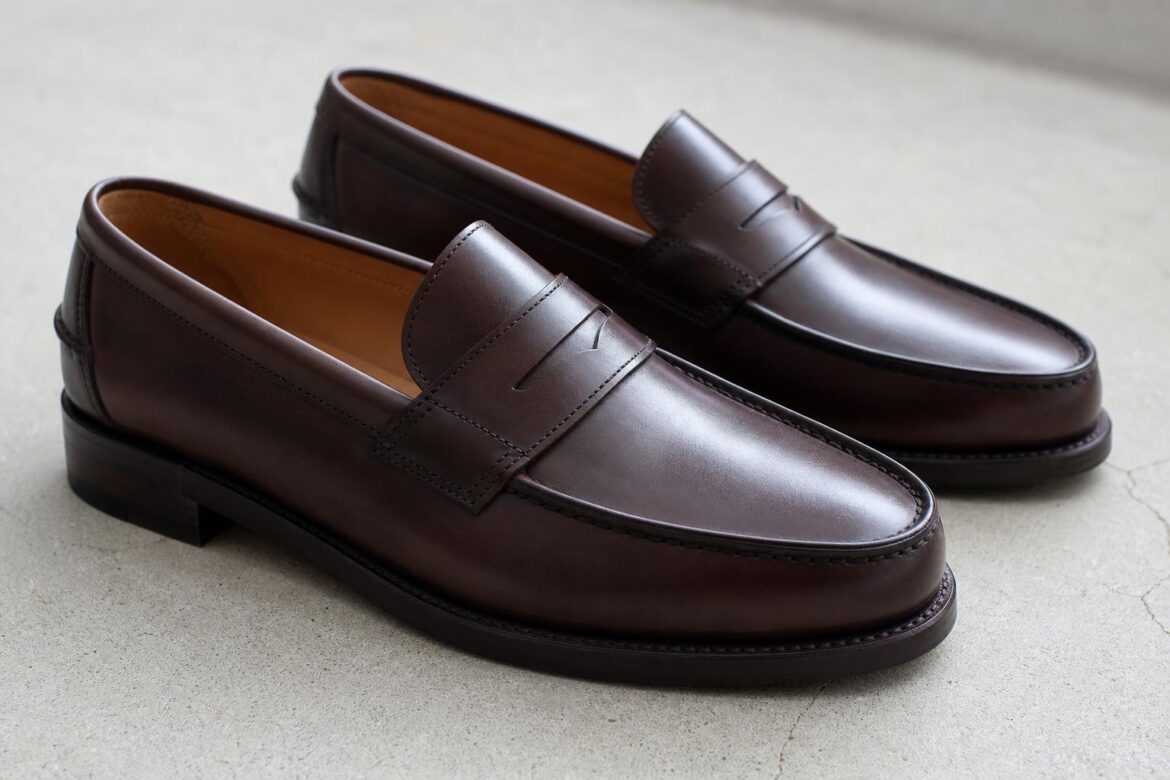
Penny loafers have a strap with a small oval cut-out—originally used, so the story goes, to tuck away a coin. The look ranges from rugged to refined depending on the last (shape) and sole. Classic beefroll penny loafers (the raised “roll” stitching where the strap meets the apron) skew more casual and Americana. Sleeker versions with higher vamps and leather soles lean dressy.
In Canada, penny loafers slot easily into business casual. A chocolate-brown calfskin pair with a thin rubber sole works with navy chinos at the office, then with denim on the weekend. If your workplace is conservative (think big-law in Toronto or certain banks), penny loafers in black or dark brown can bridge the line when oxfords feel too formal and sneakers too relaxed.
Tassel Loafers
Tassel loafers add two small leather tassels on the vamp and often a braided lace around the opening. They were once the favorite of lawyers and professors—sharp, a touch playful, but not loud. In darker colors and a sleeker last, tassel loafers partner well with suits. In suede, they relax fast and flatter flannel trousers or dark denim.
For Canadian offices with a “smart business” vibe, tassel loafers in burgundy or espresso are an easy way to look intentional without trying too hard. Add a subtle rubber “topy” (a thin protective sole) for slushy shoulder seasons and you’ll extend their life without changing the profile.
Horsebit Loafers
Horsebit loafers feature a metal snaffle across the vamp. They trace back to mid-century Italy and carry a slightly continental flair. In black calf or patent leather they can pair with suits and, in modern settings, even tuxedos. In brown with a chunkier sole they become weekend staples with jeans and a sweater.
One small Canadian consideration: exposed metal can scuff against salt and grit. It’s cosmetic, but if winter is long where you live, consider a pair with a protected bit or keep horsebits as your fair‑weather loafers.
Venetian and Apron-Toe Loafers
Venetian loafers are ornament-free—a clean vamp and minimal stitching. Apron-toe loafers have a visible seam tracing a “U” around the toe. Venetians read modern and understated; apron toes lean classic. Both can dress up or down depending on leather and sole choice.
If your style is minimalist and your office leans smart casual, a Venetian in mid-brown calf on a slim rubber sole hits a sweet spot: polished yet unfussy. In black with a leather sole, the same shoe walks neatly with suits.
Driving Moccasins
Driving mocs (or “driving loafers”) are flexible slip-ons with rubber pebbles or nubs underfoot. They feel like slippers and tour cottages and patios across Canada every summer. They are bliss for short walks and car trips, but they’re not built for heavy pavement use—the nubs wear down fast.
Use them as intended: casual, warm-weather shoes for light wear. If your daily routine includes downtown sidewalks or campus treks, pick a sturdier loafer with a real rubber or leather sole.
Kiltie, Belgian, and Other Niche Styles
Kiltie loafers include a fringed leather piece over the vamp, sometimes with a tassel. They’re a nod to heritage golf and country styles and work well with textured fabrics like tweed or corduroy. Belgian loafers are very low-profile with soft construction; they feel like refined slippers and skew dressy indoors, but thin soles can be unforgiving on rough city streets.
These niche styles thrive when you’re intentional about context. Kilties in pebble grain leather and a rubber sole work beautifully for fall in Atlantic Canada. Belgians suit indoor receptions, formal dinners, and quick Uber-to-table outings when the weather cooperates.
Materials and Construction: What Really Matters
Materials and build decide comfort, durability, and how your loafers age. Marketing terms can be fuzzy, so here’s what to watch for when you’re spending real money.
Leather Types: Full-Grain, Top-Grain, Corrected, Suede, Nubuck, Patent, Vegan
Full-grain leather comes from the top layer of the hide and retains natural grain. It’s the most durable and develops the best patina. Expect to see it on higher-end loafers and Canadian boutique brands that care about longevity. Top-grain is lightly sanded and pigmented; still good, slightly more uniform. Corrected-grain is heavily finished to hide imperfections; it looks shiny at first but doesn’t age as gracefully.
Suede is the underside of the hide with a soft nap, breathable and comfortable—gold in Canadian summers and shoulder seasons. Unlined suede loafers feel like wearing gloves for your feet, but they need a weatherproofing spray and a dry forecast. Nubuck is top-grain leather lightly sanded to mimic suede; it’s tougher than suede but marks more easily than polished calf.
Patent leather is glossy and formal, sometimes used in black-tie appropriate loafers. It’s not practical for everyday wear in Canadian weather but has its place. Vegan loafers use synthetics or plant-based materials. Quality varies widely; if you’re going vegan for ethics or allergies, look for reputable makers with robust outsoles and good footbeds, not just a “fashion” finish. Canadian brand Matt & Nat, for example, often includes non-leather options that fit urban wardrobes.
Soles and Traction: Leather, Rubber, Lug, EVA
Leather soles look sharp, flex naturally, and breathe. They’re elegant for offices, weddings, and dry days. In Canadian cities where sidewalks stay wet for months, leather benefits from adding a protective rubber half-sole (a “topy”) at a cobbler. Rubber soles offer immediate traction and longevity, especially in fall and spring. They’re sensible for anyone walking to the GO train in Mississauga or climbing Montreal’s staircases in March.
Lug soles—chunkier rubber with pronounced tread—have become common on loafers. They give grip on slush and uneven surfaces. In black, they can look fashion-forward; in brown, slightly rugged. EVA foam is lightweight and cushioned, popular on comfort-first and driving styles. It’s great for long days but less formal.
Stitching and Build: Goodyear Welt vs Blake vs Cemented
Goodyear welt construction stitches the upper to a welt and then to the sole, creating a durable, water-resistant bond that’s easier to resole. It adds structure (and usually weight), which can be a blessing in Canadian winter when stability matters. Blake stitch is a direct stitch from the insole through to the outsole; it’s lighter and more flexible but slightly less water-resistant. Cemented (glued) construction is the most common in entry-level loafers. It’s light and affordable but usually not resoleable.
Resoleability matters if you plan to wear a pair for years. In places with long winters and sidewalk salt, soles take a beating. Being able to swap a worn outsole for a new one extends the life of your loafers and reduces waste. If you’re spending $300+ CAD, construction should be part of the conversation.
| Construction | Pros | Cons | Best For |
|---|---|---|---|
| Goodyear welt | Durable, water-resistant edge, easily resoleable, stable | Heavier, stiffer break-in, pricier | Four-season wearers, frequent walkers, longevity |
| Blake stitch | Lighter, flexible, often sleeker profile | Less water resistance, resoles need skilled cobblers | Office-to-evening wear, dry seasons |
| Cemented | Affordable, lightweight, wide variety | Usually non-resoleable, shorter lifespan | Entry-level, trends, occasional wear |
Last Shape, Fit, and Support
Loafers rely on the vamp and heel cup to hold your foot, so last shape matters. A higher vamp (covers more of the instep) locks in better, which helps reduce heel slip. A lower vamp looks elegant but can feel loose if you have low-volume feet. Round toes feel traditional; almond or chiselled toes dress up fast.
If you use orthotics, check the insole. Many comfort-focused loafers have removable insoles and extra volume; dressier welted pairs may not. Wide-fit options (E, EE, or “W”) are increasingly available in Canada from brands like Ecco, Clarks, and some North American makers. A Brannock device at a proper shoe store is worth your time; your “sneaker size” can mislead you for loafers. If you’re between sizes, many people size down half a size from their lace-up dress shoes because there are no laces to cinch.
How to Choose Loafers for Canadian Life
The right pair depends on where you live, how you commute, dress codes you navigate, and the seasons you face. A Toronto condo dweller who walks to the PATH needs different soles than someone in Saskatoon braving icy sidewalks.
City-by-City Considerations
Toronto and the GTA: Expect sidewalk salt and wet freeze-thaw cycles. If you’re downtown, a slim rubber sole or leather with a protective topy balances looks and practicality. Lug soles are handy December to March. Many offices skew business casual; penny or tassel loafers in brown are safe bets.
Montreal: Winters are snowy, sidewalks uneven, and spring is a slush marathon. Rubber soles and weatherproofing pay off. Horsebit loafers are popular in dressy scenes; suede tassels thrive April to October. Consider carrying loafers and commuting in boots during storms.
Vancouver: Milder but wet. Prioritize traction and water resistance over insulation. Suede can work year-round with diligent spraying; rubber soles are your friend. Smart casual dominates; Venetians in mid-brown look right at home.
Calgary and Edmonton: Snow and cold are real, but downtown cores can be dry and walkable. Keep leather for office days and grab lug-soled pairs for days you’ll be out. Western business style is tailored but not fussy—penny loafers with wool trousers are a staple.
Ottawa and Winnipeg: Cold, long winters. Use overshoes (like SWIMS galoshes) if you insist on leather soles, or go with lugged rubber soles and thicker socks. Consider darker leathers that hide salt better and condition them regularly.
Atlantic Canada: Wind and wet abound. Rubber soles and treated leather matter, especially in Halifax. Textured leathers like pebble grain hide weather wear and look great with knits and heavier fabrics.
Seasonality: Summer to Winter
Summer: Suede or unlined loafers breathe and mold to your feet. Lighter tans and snuff suede pair with linen and cotton. No-show socks are more hygienic than going barefoot and help prevent odour.
Fall: Shift to calfskin in chestnut and espresso. Add rubber half-soles to leather bottoms before the first frost to preserve traction and life. Kilties and tassels look at home with flannel and tweed.
Winter: Prioritize grip and protection. Lug soles, rubber outsoles, and water-resistant leathers keep you upright and presentable. Consider commuting in winter boots and swapping to loafers at the office—very common in Canada and kinder to your shoes.
Spring: It’s salt-spot season. Keep a small cloth at your desk to wipe off splashes when you arrive. Lighter browns reappear; suede returns once sidewalks are consistently dry.
Dress Codes Across Canadian Workplaces
Business formal: Black oxfords are still the conservative choice in top-tier law or certain finance roles, but black tassel or polished horsebit loafers can work—especially with well-cut suits. If you’re new on Bay Street, observe first week norms and then decide.
Smart business: Think policy roles in Ottawa, consulting in Toronto, or leadership tracks across the country. Dark brown or burgundy penny or tassel loafers in calfskin fit perfectly. Keep soles slim and profiles sleek.
Business casual: The default almost everywhere now—from Vancouver tech to Montreal media. Suede or calf, penny or Venetian, paired with chinos, knitwear, and button-downs. Black can feel severe; medium browns are more forgiving and versatile.
Creative and casual: Leather isn’t mandatory. Driving loafers, hybrid comfort loafers, and chunkier lug-soled styles work with jeans and overshirts. Just avoid squeaky synthetics that look cheap under bright studio lights.
Comfort and Fit: Wide Feet, Orthotics, Plantar Fasciitis
Loafers should hug your midfoot and instep with minimal heel slip. A touch of slip at the heel on day one is normal; it often settles as the leather molds. If your heel pops dramatically, the vamp is too low or the last too wide for your foot volume. Try a higher-vamp model or a different width.
For orthotics, seek models with removable insoles and deeper footbeds—many from Ecco, Clarks, Cole Haan, and Canadian comfort retailers offer this. If you deal with plantar fasciitis, look for arch support and cushioning (EVA midsoles or cork footbeds). Leather soles alone won’t cushion long walks on Toronto sidewalks; add a discreet insole if the shoe allows it.
Budget: What to Expect in CAD
Price reflects materials, construction, brand markup, and where a shoe is made. Here’s a rough map to help you set expectations in Canadian dollars. Prices move with exchange rates and promotions, so use these as ballparks.
| Price Range (CAD) | What You Get | Representative Options in Canada |
|---|---|---|
| $80–$150 | Cemented construction, synthetic or corrected-grain leather, trend styles | Aldo, H&M, Zara, Winners/TJX finds |
| $150–$300 | Better leather, decent rubber soles, comfort features | Ecco, Clarks, Cole Haan, Florsheim, SoftMoc house brands |
| $300–$600 | Higher-grade calf or suede, Blake or occasional Goodyear welt, refined lasts | Allen Edmonds (sales), Meermin (import), Poppy Barley, Maguire |
| $600–$1,000 | Premium leathers, Goodyear welt, heritage makers | Crockett & Jones (via select retailers), Carmina (import), Loake 1880 |
| $1,000+ | Luxury branding, top-tier finishing, fashion-forward designs | Gucci, Tod’s, Church’s (select boutiques), designer houses |
Note: Allen Edmonds’ Canadian pricing often sits around $500–$650, but seasonal sales can drop popular penny or tassel loafers under $400. Meermin ships from Europe; landed cost after shipping, duty, and tax usually lands near $320–$420. Gucci horsebit loafers frequently price around $1,000–$1,200 in Canada depending on style and season.
Where to Buy Loafers in Canada
You have choices—national chains for convenience, boutiques for curation, and direct-to-consumer brands for value. Factor in return policies, width availability, and access to after-sales service.
National Retailers and Department Stores
Hudson’s Bay stocks a wide range from entry to mid-tier, often with promotions. Harry Rosen carries premium and luxury loafers with solid staff knowledge and tailoring-adjacent advice on styling. Browns and Little Burgundy skew fashion-forward across cities. SoftMoc and Walking on a Cloud have comfort-first selections with orthotic-friendly options.
Big-box and outlet centres (Premium Outlets in Halton Hills, Tsawwassen Mills near Vancouver, Tanger Outlets in Ottawa) sometimes yield deals on mainstream brands. Try on in person if you can; loafers are more sensitive to fit than sneakers.
Independent Boutiques and Canadian Brands
Look to Canadian labels and boutiques for thoughtful design and service. Poppy Barley (Edmonton-based) offers modern loafers with a sustainability lens and fair pricing transparency. Maguire (Montreal) stocks stylish women’s loafers produced in small European factories. Select menswear shops in Toronto, Montreal, Vancouver, and Calgary bring in Crockett & Jones, Carmina, or Loake—inventory is limited, but fit advice tends to be excellent.
Streetwear and designer boutiques in major cities rotate through horsebit and lug-soled styles each season. If you’re investing over $600, ask about construction, aftercare, and resoling options—good shops will have answers.
Online: Domestic and International (Duties, GST/HST)
Buying from abroad can unlock value or specific styles, but know your landed costs. Goods and Services Tax (GST) is 5% nationwide; some provinces combine it into HST (e.g., Ontario 13%, Nova Scotia 15%), while others collect Provincial Sales Tax (PST) separately (e.g., BC 7% plus GST). Quebec applies QST of 9.975% in addition to GST. Taxes generally apply to online purchases shipped into your province.
On duties: Under the Canada–United States–Mexico Agreement (CUSMA), courier shipments from the U.S. or Mexico have a higher de minimis threshold. As a rule of thumb, for courier deliveries from the U.S. or Mexico, items valued up to about $40 CAD may be exempt from duties and taxes; items valued up to about $150 CAD may be exempt from duties but still subject to taxes; above that, both duties and taxes can apply. For postal shipments (Canada Post), the lower $20 CAD threshold typically applies for duties and taxes. Rules vary with origin, shipping method, and classification, and they can change—always check the Canada Border Services Agency (CBSA) or the retailer’s landed-cost calculator before you click “buy.”
| Shipping Method & Origin | Approximate De Minimis for Taxes | Approximate De Minimis for Duties | Notes |
|---|---|---|---|
| Courier from U.S./Mexico | ~$40 CAD | ~$150 CAD | Tax may apply above ~$40; duty above ~$150 |
| Postal (Canada Post) | $20 CAD | $20 CAD | Lower threshold; taxes/duties more likely |
| Courier from other countries | Varies | Varies | Often taxed/dutied; check retailer’s estimate |
Tip: Some retailers offer “duties and taxes included” at checkout. This often saves headaches. Returns across borders can be costly; confirm return shipping and refunds of duties/taxes before ordering.
Care, Maintenance, and Winter Survival
If Canadian weather is tough on sidewalks, it’s tougher on shoes. A small routine keeps loafers looking sharp and feeling comfortable for years, even with salt and slush in the mix.
Breaking In and Daily Habits
Rotate your shoes. Leather needs a day to dry and rebound. If you wear loafers daily, buy two pairs and alternate—your feet and shoes will thank you. Use cedar shoe trees overnight; they absorb moisture, reduce odour, and keep shape. When new, expect a few wears for the heel to settle; a thin blister pad on day one can bridge the gap.
Put them on with a shoehorn. Crushing the heel counter shortens a loafer’s life. At home, store them away from baseboard heaters; rapid drying cracks leather.
Cleaning and Conditioning (Leather & Suede)
For calf leather: Wipe down with a damp cloth after exposure to salt or grime. Every few weeks, apply a small amount of cream polish in the shoe’s color (or neutral) to nourish and even tone. A conditioner like Saphir Renovateur or a quality equivalent keeps leather supple; follow with a light wax for shine if you want formality.
For suede and nubuck: Let them dry if wet. Brush with a suede brush to lift the nap. Use a suede eraser for scuffs. Apply a water and stain repellent spray designed for suede—Tarrago, Saphir, and similar brands are widely available in Canada. Avoid oil-based conditioners; they’ll darken and flatten the nap.
Dealing with Salt, Slush, and Stains
Salt leaves white rings as it dries. Don’t panic. Mix equal parts white vinegar and water, dampen a cloth, and gently wipe the affected area. Blot dry with a clean cloth, stuff with paper to hold shape, and let them air-dry away from heat. Follow with conditioner (for leather) once fully dry. For suede, use the same diluted vinegar sparingly, then brush once dry.
Prevention helps. Apply protectant before the first wear and reapply monthly through winter. Consider galoshes for leather-soled loafers on bad days. If you’ve soaked a pair thoroughly, let them rest two days with shoe trees to avoid mildew and warping.
Protecting Soles and Getting Repairs in Canada
Adding a thin rubber half-sole to leather-bottom loafers is practical in Canadian cities. It improves traction, blocks salt, and extends the life of the outsole without changing the look much. A competent cobbler can also install heel taps, replace worn toplifts, and even add a full resole to Goodyear-welted shoes.
Most major cities have excellent independent cobblers. Read recent reviews, ask about past work on similar shoes, and get quotes for resoles versus replacement. If a pair is cemented and the outsole is shot, replacement often makes more financial sense—unless you love the fit and upper.
Storage and Odour Control
Let shoes dry completely after wear. Cedar shoe trees are non-negotiable if you perspire or commute in humid weather. For odour, sprinkle a bit of baking soda in a coffee filter, tie it off, and leave it in the shoe overnight. Merino-blend no-show socks help as well; they control moisture without showing above the vamp.
Keep dust bags for travel—especially if you’re tossing loafers into a suitcase for a Toronto–Calgary work trip. A quick wipe after airport security (CATSA sometimes asks you to remove shoes) keeps them looking fresh on arrival.
How to Style Loafers: Outfits for Men and Women
Loafers flex with your wardrobe more than you might think. The key is balancing texture, color, and context so the shoe matches the rest of the outfit’s formality.
Business Formal and Smart Business
Men: A sleek tassel or horsebit loafer in black or deep brown pairs with a mid-grey or navy suit. Keep the toe shape refined and the sole thin. Dark socks, fine-gauge knit or crisp shirt, and a belt that matches the shoe. In conservative offices, black remains safest.
Women: A block-heel or lug-sole loafer in black leather grounds tailored trousers or a structured midi dress. Add sheer or opaque tights as needed. Horsebit and kiltie details add interest without shouting. In winter, choose rubber soles for grip and carry a leather pair to swap in at the office if you prefer.
Business Casual and Casual Friday
Men: Penny loafers in brown calf with chinos, an Oxford-cloth button-down, and a cardigan or unstructured blazer are hard to beat. Suede tassels with flannel trousers feel relaxed and warm. If you’re in Vancouver or Halifax, a rubber sole makes rainy walks a non-event.
Women: Venetian loafers in tan or burgundy pair with ankle-length trousers and a tucked knit. Suede platform loafers add edge to a pleated skirt and blouse. If your office is more fashion-forward (think Montreal), horsebits in rich colors stand out.
Weekend and Travel
Men: Driving loafers or hybrid comfort loafers with jeans and a lightweight overshirt for weekends. For travel days, a leather Venetian with a cushioned insole manages airport lines and dinner at your destination without a shoe change.
Women: Suede loafers with straight-leg denim, a Breton stripe tee, and a trench are easy spring staples. In summer, loafers with a linen set or a slip dress strike that “put together but comfortable” balance. No-show socks keep things hygienic on hot days.
Special Occasions and Weddings
Black calf or patent horsebit loafers can stand in for formal shoes at many modern weddings. Pair them with a sharp suit or tux in less traditional settings. If the dress code is strictly black tie, ask the host or stick to classic formal footwear. For garden or outdoor venues in Canada, avoid thin leather soles on soft lawns—rubber helps.
For evening events in cities like Toronto or Montreal, a slim black tassel loafer adds personality without pulling focus from the outfit. Keep accessories restrained and let the silhouette do the work.
Sustainability and Longevity
Shoes are consumables, but you can make smarter, lower-waste choices. Look for resoleable construction and quality leather that can be conditioned and restored. Picking a classic loafer over a fast-fashion trend means you’ll still want to wear it in five years.
Consider secondhand. Canadians have access to robust resale platforms: Poshmark Canada, eBay.ca, Grailed, and local consignment stores in major cities. Heritage loafers from Allen Edmonds, Crockett & Jones, or Bass often appear lightly worn and ready for another life. Factor in resoling costs and still come out ahead.
If you prefer non-leather materials, research durability and repair paths. Vegan loafers vary—some are excellent, others peel or crack quickly. Choose brands that disclose materials and offer clear care guidance. Reducing replacements remains the greenest move.
Common Mistakes and How to Avoid Them
Buying the wrong size because “it’s my sneaker size.” Loafers fit differently. Try on in the afternoon when feet are slightly swollen, and walk for five minutes. A little heel slip is okay; gapping or pinching isn’t.
Choosing leather soles for slushy streets without a plan. Either add a rubber half-sole up front, carry your loafers and commute in boots, or pick a rubber-soled pair for winter. Your shoes will last longer and you’ll walk safer.
Ignoring materials. Corrected-grain leather looks shiny out of the box but ages poorly. If budget allows, pick top-grain or full-grain calf or quality suede. If the budget doesn’t, be honest about lifespan and maintenance.
Going sockless daily. It’s fine sometimes, but sweat breaks down linings and invites odour. Use merino no-show socks; your shoes will last longer and smell better.
Skipping care. A 10-minute monthly routine—wipe, condition or brush, re-spray for suede—pays back in years of use. In Canada, salt makes this routine less optional and more essential.
Frequently Asked Questions
Are loafers business casual?
Yes. Penny, tassel, Venetian, and horsebit loafers are all business casual staples in Canada. The more minimal and darker the leather, the easier they fit into conservative offices. Rubber soles help with winter commutes without breaking dress codes.
Can I wear loafers with a suit?
Absolutely—choose a refined last and darker leather. Tassel or horsebit loafers in black or deep brown work with suits for many offices. For very formal or conservative environments, black oxfords remain the safest play.
How should loafers fit?
Snug across the instep with minimal heel slip. Your toes shouldn’t jam the front, but the shoe shouldn’t feel loose. Many people size down half a size from lace-up dress shoes. If your heel lifts a lot, try a higher-vamp model or a narrower width.
What are the best loafers for Canadian winter?
Look for rubber or lug soles, treated leather, and a secure heel. Wear proper socks and consider commuting in boots on stormy days. Adding a rubber half-sole to leather bottoms boosts traction and protects from salt.
Are suede loafers a bad idea in Canada?
Not at all—just pick your days. In spring and summer, suede is excellent if you spray them with a water and stain protector. Avoid heavy rain and slush. Let them dry fully if they get damp and brush to restore the nap.
What about loafers for wide feet or orthotics?
Plenty of brands offer wide fits (E, EE, or W) and removable insoles—Ecco, Clarks, and some North American heritage brands among them. Try shoes late in the day, bring your orthotics, and check that the vamp isn’t too tight across the instep.
Do loafers stretch?
Leather stretches slightly, especially unlined suede. They should never hurt. If they’re painfully tight across the widest part of your foot, size up or pick a different last. A cobbler can spot-stretch small pressure points, but don’t count on major size changes.
How do I remove salt stains?
Use a 1:1 white vinegar and water mix. Dab the stain, blot, let dry away from heat, then condition (for leather) or brush (for suede). Treat promptly—salt can dry out leather over time.
What’s the difference between penny and tassel loafers?
Design and vibe. Pennies have a strap with a cut-out and skew slightly more casual/traditional. Tassels add a bit of flair and can feel dressier in darker, sleeker builds. Both work for business casual.
Are horsebit loafers still in style?
Yes. Horsebits cycle in and out of the spotlight but never leave. In Canada, they read sharp for dinners, events, and offices with a dressier tilt. Black leather is formal; brown or suede relaxes the look.
Is it okay to go sockless with loafers?
For short wears and warm days, yes, but use no-show socks for hygiene and comfort. In offices, visible dress socks remain the norm, especially in formal settings.
Will I pay duties when buying loafers online?
Possibly. It depends on value, origin, and shipping method. Under CUSMA, courier shipments from the U.S. or Mexico often enjoy higher thresholds before duties apply, but taxes frequently still apply above a low value. For Canada Post shipments and shipments from other countries, taxes and duties are more likely. Check CBSA guidance and the retailer’s checkout for landed-cost estimates.
Can loafers be resoled?
Goodyear-welted and many Blake-stitched loafers can be resoled by a skilled cobbler. Cemented pairs usually cannot. If you want years of use, buy resoleable construction or at least plan for a protective half-sole and heel maintenance.
What colors are the most versatile?
For men: dark brown, mid-brown, and black cover almost everything. For women: black, burgundy, and tan are highly versatile. Snuff suede is a sleeper hit for three seasons across Canada.
How do I keep loafers smelling fresh?
Rotate pairs, use cedar trees, wear no-show socks, and let shoes dry fully between wears. For odour control, try removable inserts or a light sprinkle of baking-soda sachets overnight.
Final Thoughts
Loafers earn their keep in Canada when you match style to season, sole to sidewalk, and fit to your feet. Start with one versatile pair—say, a dark brown penny loafer on a slim rubber sole—then add suede for summer or a lug-soled option for winter. Treat them well, and they’ll carry you from boardrooms to bistros for years, no laces required.