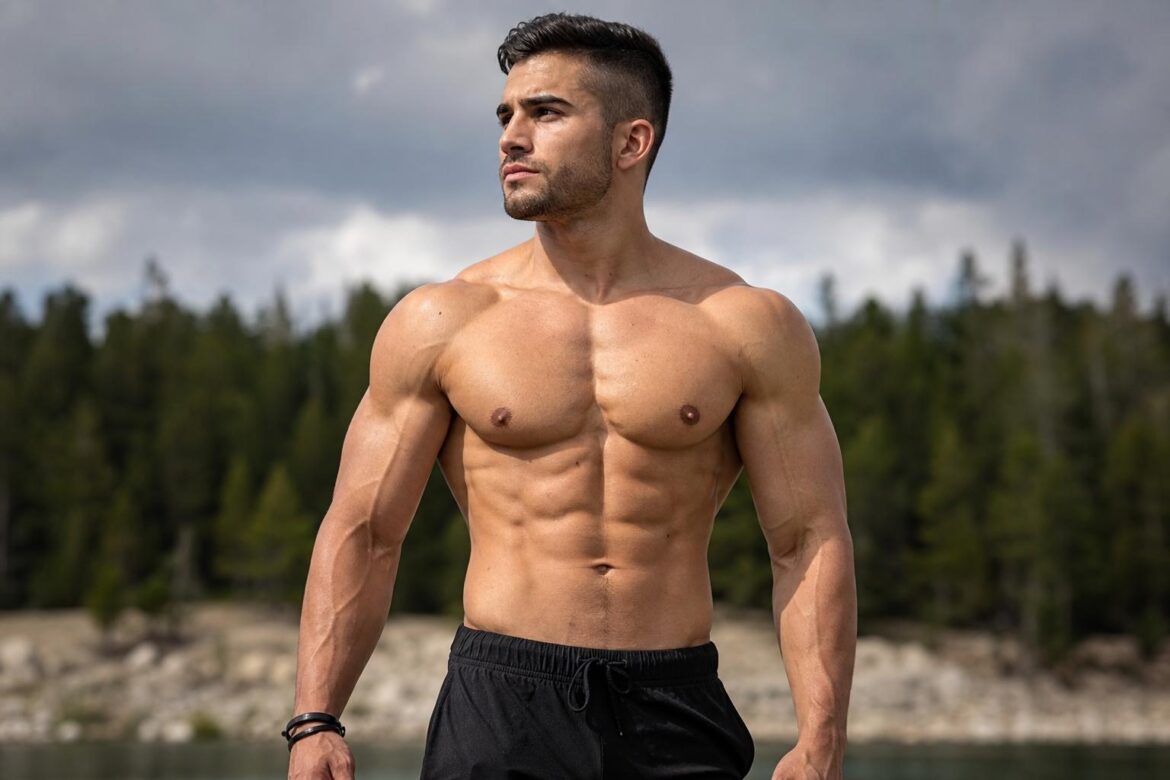
Search for “warrior cut” and you’ll find a jumble of looks: undercuts with top knots, rugged fades paired with braids, even mohawk-inspired silhouettes. What people really mean today is less about a single haircut and more about a family of bold, functional styles that look tough, clean, and intentional. In Canada, where you can go from a windy walk on the Halifax waterfront to a beanie-under-a-hood in Edmonton in one week, a warrior cut has to do more than look good in a photo. It needs to work in real life. This guide explains exactly what the warrior cut is, how to choose the version that suits your hair and lifestyle, how to talk to your barber or stylist, what it costs in Canadian cities, and how to maintain it through winter hats, rain, and the office-to-gym shuffle.
We’ll break down key variations—samurai-inspired undercuts, Viking-influenced tapers, braided warrior cuts, and modern mohawk/faux hawk options—alongside product recommendations sold in Canada, practical maintenance schedules, cultural considerations, and troubleshooting tips. If you want a style that says you mean business without making your morning routine a battle, keep reading.
What People Mean by “Warrior Cut” Today
There’s no official “warrior cut haircut” in the rulebook. The term has evolved into a catch-all for hairstyles that blend strength, minimal fuss, and clean edges with longer, expressive lengths where it counts. The common thread: structure at the sides and back, controlled length on top, and a finish that looks ready for anything.
Here are the versions most Canadians ask for in barbershops from Toronto to Victoria:
- Samurai-inspired undercut with a top knot or bun: shaved or faded sides, long top pulled back.
- Viking-inspired taper with texture and optional beard pairing: scissor work on the sides, medium taper or fade, textured crown, sometimes braids.
- Modern mohawk or faux hawk: tight or faded sides with a defined ridge of length through the centre—often softer, office-friendly takes.
- Braided warrior cut: cornrows, feed-ins, or boxer braids leading to a bun or ponytail, with tidy sides that can be tapered or faded.
Why the appeal? The warrior cut is adaptable. It can look clean and corporate by day, then tie up for a hockey game, a hike, or a lifting session at GoodLife by night. It suits many hair types and, when tailored correctly, works with straight, wavy, coily, or curly textures. In a Canadian context—where weather swings and hats are part of life—the ability to tie hair up or lock down the sides is a genuine perk.
A quick word on culture and respect. Many warrior cut styles borrow visual language from historical aesthetics across the world. Some, like mohawks or certain braids, intersect with living Indigenous and Black cultures. In Canada, identity-based discrimination (including hair-based discrimination tied to race) is prohibited under human rights laws. Appropriation isn’t just a faux pas; it can be harmful. The short version: enjoy modern, inspired looks, but steer clear of copying styles with sacred or ceremonial significance, and work with barbers and braiders who understand your hair type and the cultural context of specific designs.
Is a Warrior Cut Right for You?
Before you book, get strategic. A warrior cut is less about a label and more about fit: your hair, your face, and your daily life. Here’s how to assess the match.
Face Shape and Proportions
Because the warrior cut usually tightens the sides and keeps length on top, it can elongate the face. That’s great if you’ve got a rounder face and want some verticality. If your face is long or narrow, keep more weight at the sides—opt for a taper over a skin fade and ask your barber to preserve some fullness at the temples and parietal ridge. Square jawline? Most versions will flatter you. Heart-shaped faces benefit from avoiding overly tall tops; bring some fringe forward or keep the top medium length.
Hair Type and Density
Thin or fine hair thrives with texture and matte finishes: think a modern warrior haircut with a medium taper, messy quiff, and sea salt spray for grip. Dense, straight hair can handle the classic undercut and top knot, but you’ll want a good baseline shape so it doesn’t balloon. Wavy and curly hair shine in braided warrior cuts, faux hawks, and textured crowns. Coily hair benefits from protective styles—cornrows into a high bun, or a shaped mohawk with curls defined along the ridge. The rule is simple: choose a warrior cut that uses your hair’s natural behavior instead of fighting it.
Lifestyle, Dress Codes, and Safety
Office in Bay Street or tech in Waterloo? A low-to-mid taper with a textured top looks sharp without reading as extreme. In creative fields—from Halifax’s growing game studios to Vancouver production houses—bolder fades and braids fly. In trades and labs, tie-up ability matters for safety; provinces set occupational health and safety rules, and employers often require hair to be secured near equipment or open flame. If you wear hard hats, safety glasses, or a welding mask, test where a top knot sits so it won’t pinch under gear.
Maintenance Reality
Fades are not “set it and forget it.” Plan a clean-up every 2–4 weeks if you want that crisp warrior cut silhouette. If you prefer fewer barbershop visits, opt for a scissor taper or keep the fade low and soft so it grows out gracefully. Braids typically need refreshing at 2–6 weeks depending on style and hair growth; protective styles still require scalp care. Be honest with yourself about routine—do you need five-minute styling or do you enjoy the ritual?
Core Variations and Exactly How to Ask for Them
Show, don’t tell. Bring two to three clear photos of what you want and one of what you don’t. Then use precise language. Here are detailed breakdowns you can screenshot and hand to your barber or stylist.
Samurai-Inspired Undercut with Top Knot
What it is: Tight sides and back, long top gathered into a top knot or bun. This is the archetypal warrior cut hairstyle you’ve seen from Toronto cafes to Whistler lift lines.
How to ask:
- Sides and back: high undercut or high fade. If fading, request a low skin fade (0 to 1.5) or a 0.5 to 2 guard, depending on skin exposure comfort.
- Top: minimum 6–8 inches; 10–12 inches if you want a fuller bun. Ask for cleanup of ends only—no thinning shears if your hair is already fine.
- Transition: disconnected undercut if you want a stark contrast; otherwise, ask for a slight blend at the temples so hats sit comfortably.
- Styling: center or slight off-center part when down; top knot anchored at or just behind the crown so it fits under a toque or bike helmet.
Best for: straight to wavy hair, medium to dense. Fine hair can work with pre-styling mousse and a matte clay. Curly hair can still rock it—just use a spiral-friendly tie and avoid pulling too tight.
Canadian reality check: In winter, static is relentless. Use a small amount of leave-in conditioner before tying back to reduce breakage from friction under hoods and scarves.
Viking-Inspired Taper with Beard Pairing
What it is: A rugged, textured top with tapered or faded sides and a beard that’s shaped and blended into the cut. This modern warrior haircut reads strong without screaming for attention—perfect for a downtown Calgary office and after-work Deadlift Club.
How to ask:
- Sides: low to mid taper with guards 1 to 4; keep some weight around the parietal ridge to avoid a mushroom effect.
- Top: 3–5 inches with heavy texture—point cutting or a razor for movement. Ask for a forward-flow quiff or natural part, depending on cowlicks.
- Beard: request a beard fade that matches temple length and a clean cheek line; keep neckline high and natural (one finger above Adam’s apple).
Best for: straight or wavy hair, medium to thick density. Pairs well with a coarse beard. Works with salt-and-pepper hair too—matte products keep it sophisticated.
Canadian reality check: Dry prairie air (hello, Regina and Calgary) can make hair brittle. Blend a drop of lightweight hair oil into your clay to keep ends from snapping.
Modern Mohawk or Faux Hawk
What it is: A defined ridge of length from front to nape, with shorter or faded sides. The faux hawk is softer and more office-friendly. Many people use “warrior cut” when they want a mohawk vibe without fully committing.
How to ask:
- Sides: low skin fade or 0.5 to 2 guard; keep the fade lower if you want subtlety.
- Ridge: 3–6 inches depending on hair type; curls can be shorter and still pop.
- Styling: request internal layering for lift; avoid thinning on fine hair.
Cultural note: The term “mohawk” has complex history and connections that predate Instagram. Choose modern, personal interpretations and avoid borrowing specific cultural designs or regalia. A good stylist can help you land a strong faux hawk that’s yours, not a costume.
Canadian reality check: Montreal wind will test any tall style. Finish with a flexible hairspray and carry a travel-size for post-commute touch-ups.
Braided Warrior Cut
What it is: Braids that gather length and control the crown, often feeding into a bun or ponytail. Sides can be tapered or faded for a sharp outline. This warrior cut variation is practical for training, running, and working outdoors.
How to ask:
- Find a braider experienced with your hair type. In large Canadian cities—Toronto (Scarborough, North York), Ottawa South, Montreal-Nord, Winnipeg’s North End, Edmonton’s 118 Ave—there are specialists; check reviews and portfolios.
- Request 2–6 feed-in braids directed back to a high or mid bun, or cornrows with a centre part and low taper on the sides.
- Discuss tension, parting pattern, and how long you plan to wear them. Protective styles should protect; if your edges feel sore, ask for less tension.
Best for: wavy, curly, coily textures; also works for straight hair with grip products. Keep in mind that braids on straight, slippery hair may require more product and refreshes.
Canadian reality check: Harsh winters can dry out the scalp. Use a light scalp oil between rows and sleep in a satin bonnet or on a satin pillowcase to reduce frizz under toques.
How to Talk to Your Barber or Stylist (Scripts You Can Use)
Exact words help. Try these quick scripts, then add photos.
- “I’m going for a warrior cut—high undercut, long top I can tie into a top knot. Keep the sides tight with a 0.5 to 2 fade, leave the top at 8–10 inches, and clean the ends only.”
- “Modern warrior haircut with a mid taper. Keep weight at the temples, 3–4 inches on top with texture, and blend my beard into the sideburns.”
- “Faux hawk variation: low skin fade, 4 inches through the centre, internal layering for lift, no thinning shears.”
- “Braided warrior cut: four feed-in braids back to a high bun, low taper on the sides. Gentle tension; I’ll refresh in three weeks.”
Always mention your routine. If you have five minutes most mornings, say so. If you wear a toque six months of the year in Winnipeg, say that too. It matters.
Step-by-Step Styling at Home
Five-Minute Routine for Straight or Wavy Hair
- Shower or dampen: towel-dry until hair is just damp. In Vancouver’s humidity, go lighter on water to prevent frizz.
- Pre-style: work in a pea-sized amount of sea salt spray or a lightweight volumizing mousse at the roots.
- Blow-dry: on medium heat, direct hair up and back with a vent brush. For a faux hawk, push sides inward.
- Finish: emulsify a small amount of matte clay or paste (dime to nickel size), apply from back to front, then top to bottom. Add more only if needed.
- Lock: a light mist of flexible-hold hairspray for commutes that battle wind off Lake Ontario.
Curly and Coily Hair: Definition Without Crunch
- Cleanse: use a sulfate-free shampoo as needed and a moisturizing conditioner. In dry Alberta winters, co-wash between shampoos.
- Leave-in: apply a curl cream or leave-in conditioner in sections.
- Define: rake a curl-defining gel through and scrunch. For a ridge style, encourage curls to stand upward at the centre.
- Dry: diffuse on low heat or air-dry. Don’t touch while drying to avoid frizz.
- Edge care: if wearing braids, use a lightweight edge control sparingly; avoid alcohol-heavy gels that flake under hats.
Tying a Top Knot That Doesn’t Wreck Your Hair
- Use the right tie: choose a snag-free elastic or spiral cord. Those thin black elastics from the dollar store snap hair, especially in cold weather.
- Placement: set the knot just behind the crown. Too high interferes with helmets; too low rubs on collars.
- Tension: secure enough to hold, not enough to tug your hairline. If it aches, it’s too tight.
- Protection: a drop of leave-in or oil on mid-lengths prevents friction under toques.
Products That Work and Where to Buy Them in Canada
You don’t need a drawer full of jars. Two to four smart products will carry most warrior cut styles. The bonus: you can buy them locally, often at Shoppers Drug Mart, London Drugs, Chatters, Tommy Gun’s, Well.ca, or directly from Canadian brands.
- Matte clays and pastes: ideal for textured warrior cut hairstyles. Look for Canadian-made options like Rocky Mountain Barber Co. Clay for a natural, non-greasy finish. Apply sparingly.
- Sea salt spray: adds grit for straight or wavy hair. Useful before blow-drying; available from brands like AG Hair (Vancouver-based) at salons and retailers nationwide.
- Lightweight oils: argan or mixed-blend oils to control ends and static—especially in winter. Use a drop or two or mix into your clay.
- Curl creams and gels: for definition without flakes. DevaCurl, Ouidad, and SheaMoisture are widely available; drugstore picks from Maui Moisture or Marc Anthony can do the trick.
- Scalp care: tea tree shampoos or gentle exfoliating scrubs can help if you sweat under helmets or toques. Don’t overdo it; once a week is enough.
- Hairspray: flexible hold for wind and humidity. A travel-size can live in your bag for on-the-go fixes in Ottawa winters.
Tip: Humidity changes product performance. In Halifax or Vancouver, dial back heavy creams that can go limp; in Saskatoon, add moisture to fight static.
Maintenance and Canadian Price Ranges
Budget and timing matter. Here’s what most Canadians can expect to spend and schedule for a warrior cut, with taxes varying by province.
- Fade/taper refresh: every 2–4 weeks. Typical prices:
- Toronto, Vancouver: $40–$80 for a fade; add $15–$30 for beard work.
- Calgary, Ottawa: $35–$70; beard shaping +$10–$25.
- Halifax, Winnipeg: $30–$60; beard shaping +$10–$20.
- Smaller cities and towns: $25–$50, often cash-friendly shops; still tip for great work.
- Long top trims: every 8–12 weeks to keep split ends at bay while you grow length for a top knot.
- Braiding: $80–$200+ depending on style, length, and the artist’s expertise. Add-ons for beads, feed-ins, or specialty parts. Refresh every 2–6 weeks.
DIY maintenance: If you’re comfortable with clippers, you can clean your neckline and around the ears between appointments using a higher guard to avoid lines. But for skin fades and clean blends, most people save time and drama by visiting a pro.
Weather, Sports, and the Warrior Cut
From shinny on an outdoor rink to a spin class at GoodLife, your hair is along for the ride. A warrior cut adapts well—here’s how to keep it practical.
- Hockey and ski helmets: place your top knot lower, or temporarily switch to a low bun. A sweat-wicking headband can prevent forehead breakouts.
- Cycling commutes: a faux hawk can flatten under a helmet. Re-fluff with damp hands and a tiny touch of paste at your desk.
- Running in rain or snow: use a visor or beanie and an anti-frizz spray. Rely on texture—aim for “weathered but intentional.”
- Workplace safety: provincial occupational health and safety regulations expect hair to be controlled near machinery, flames, or lab work. Keep ties handy; ask your employer about PPE compatibility.
Cultural Respect and Appropriation: Be Smart, Be Kind
Canada’s strength is its diversity. Some warrior cut aesthetics intersect with living traditions. A few practical principles:
- Modern inspiration, not replication. Aim for contemporary cuts and finishes rather than copying ceremonial or sacred hairstyles.
- Choose the right pro. Seek barbers and braiders who know your hair type and, when relevant, the cultural significance behind specific techniques.
- Language matters. Terms like “mohawk” carry history. Discuss with your stylist and opt for “faux hawk,” “ridge,” or simply show a photo of the shape you want.
Style can celebrate strength without stepping on anyone. When in doubt, ask respectful questions and personalize your look.
Troubleshooting: Common Warrior Cut Mistakes
Even great ideas can go sideways. Here’s what to watch for and how to fix it.
- Undercut too high: if your sides feel like there’s no hair left to blend, switch to a scissor taper for a few months while you regrow. Use a looser top knot so the disconnect looks intentional.
- Top too short for a bun: you need roughly 6–8 inches for a small knot. Until then, half-ups or a faux hawk style look better than forcing a stubby tie.
- Ballooning at the parietal ridge: ask for debulking with point cutting, not thinning shears on fine hair. A lower fade or taper can stop the helmet effect.
- Patchy beard with a bold cut: keep beard short and neat. A 0.5-inch stubble with crisp lines looks stronger than a stringy attempt at length.
- Frizz under toques: apply a tiny amount of leave-in conditioner or a curl cream before hat time; avoid heavy oils close to the scalp that can cause itch.
- Hard water dullness: in parts of Ontario and the Prairies, mineral-heavy water can leave buildup. Use a chelating shampoo once a month and a light conditioner.
Growing Out or Switching Styles
Decided to retire your warrior cut? You can transition gracefully.
- Blend the disconnect: ask for a low taper and scissor-over-comb to blur harsh lines at the sides while the top and corners grow in.
- Shape often: paradoxically, growing out takes regular trims. Removing split ends speeds progress and keeps the shape intentional.
- Use headwear wisely: beanies can crease growing hair. Switch to looser toques or alternate partings to avoid permanent dents.
- Timeline: expect 3–6 months to soften an undercut into a balanced shape, longer if you’re aiming for shoulder-length hair.
Photo Inspiration and Search Tips
Show real-world references to your barber. Use targeted Canadian hashtags and terms to find the right look for your hair type.
- Search Instagram and TikTok for: #TorontoBarber, #VancouverBarber, #YYCBarber, #YEGBarber, #MTLBarber, #YYZHair, #OttawaBarber, #HalifaxHair.
- Use phrases like: “warrior cut hairstyle,” “modern warrior haircut,” “top knot undercut,” “faux hawk fade,” “braided warrior cut,” “Viking-inspired haircut,” “samurai-inspired undercut.”
- Filter for your hair type: add “curly,” “coily,” “fine,” or “thick” to your search.
- Look for barbers who post step-by-step reels; it shows technical skill and how the cut behaves in motion.
Choosing the Right Pro in Canada
Barbering and hairstyling are regulated at the provincial level, with sanitation and business licensing overseen locally. That’s a long way of saying: qualifications and rules vary across the country, but cleanliness and professionalism should be consistent.
- Check portfolios: a warrior cut needs clean fades, shape control, and (for braids) parting precision. If you don’t see examples that look like your hair, ask for them.
- Read local reviews: Google, Yelp, and Instagram comments tell you about punctuality and consistency. Pay attention to mentions of sanitation and customer service.
- Ask about aftercare: a pro should walk you through at-home styling and the refresh cycle. Bonus points if they stock products that match your hair type.
- Book smart: in larger cities, sought-after barbers can book out weeks. Plan around busy times—pre-holiday and long weekends fill fast.
Cost-Saving Tips Without Compromising the Look
Great hair doesn’t have to blow your budget.
- Alternate services: one full cut, then a sides-and-neck cleanup two weeks later at a lower price.
- Student nights: many shops in university towns (Kingston, Waterloo, Halifax) offer discounted evenings. Bring ID.
- Product minimalism: one good matte paste, one sea salt spray, and your usual shampoo/conditioner will cover 90% of warrior cut needs.
- Loyalty programs: Canadian chains like Tommy Gun’s often run point systems; independent barbers may offer “10th cut free.”
Warrior Cut vs. Wolf Cut (and Other Trend Confusions)
The wolf cut is a shaggy, layered hybrid of a shag and a mullet—fringe-forward, messy, and voluminous. It’s different from a warrior cut, which emphasizes tight sides or structured tapers with deliberate length up top or through the centre. If you want something edgy but lower maintenance, a modern warrior haircut with a mid taper might beat the daily styling the wolf cut often requires, especially in damp coastal cities.
And if you’ve heard “warrior cut” used in a gym context, that’s usually shorthand for cutting body fat while following a “warrior diet.” Completely different domain. This article is about hair—no meal plans included.
A Quick Comparison of Popular Warrior Cut Variations
| Variation | Best Hair Types | Maintenance | Styling Difficulty | Office-Friendly? |
|---|---|---|---|---|
| Samurai-inspired undercut with top knot | Straight, wavy, dense | Fade every 2–4 weeks; top trim 8–12 weeks | Easy once long; tie-up skill needed | Yes, if fade is soft and knot is neat |
| Viking-inspired taper with beard | Straight or wavy, medium–thick | Taper every 3–5 weeks; beard weekly lineups | Easy–moderate | Usually yes |
| Modern mohawk / faux hawk | All; curls pop with shorter ridge | Fade every 2–3 weeks | Moderate; product control needed | Faux hawk more than classic mohawk |
| Braided warrior cut | Wavy, curly, coily | Refresh 2–6 weeks; scalp care weekly | Low daily; pro install | Yes, neat and polished |
Real-Life Scenarios: Putting the Warrior Cut to Work in Canada
Picture this: You’re in Toronto, on the TTC at 7:30 a.m., toque on, hot coffee in hand. In the office by 8:30, hat off, you ruffle your faux hawk ridge with damp hands, add a thumbprint of matte paste, done. After work, you bike home—helmet on—then tie a low bun for a quick HIIT class. This is where the warrior cut shines: it flexes with your day.
Or you’re in Vancouver, managing rain. A braided warrior cut keeps everything neat under a hood, and a lightweight anti-frizz spray stops the halo. On weekends, you hike the North Shore and barely think about your hair—wash day is strategic, not constant.
On the Prairies, dry cold means static and breakage. A Viking-inspired taper with textured top holds shape without much product. A drop of oil mixed into paste keeps ends from snapping, and a soft-beanie habit saves your crown.
Health, Hygiene, and Barbering Basics
Clean tools and safe practices matter. In Canada, barbershops and salons are subject to municipal and provincial public health guidelines for sanitation, sterilization, and safe operation. You should see or sense cleanliness: capes and towels laundered properly, tools disinfected between clients, and hand hygiene practiced consistently.
At home, shampoo according to need, not habit. If you sweat daily, you may rinse and condition more often and use shampoo several times a week, adjusting for your scalp’s response. Over-washing can lead to dryness; balance it out with conditioner and, for curls, leave-in products.
If You Want to DIY the Cut (Proceed Carefully)
Cutting your own fade sounds efficient until you see the back. If you must:
- Use a high guard first (like a 4), then step down gradually. You can always take more off; you can’t put it back.
- Keep clippers flat against the head. Tilting creates divots.
- Have two mirrors and good lighting. A phone video can help check the back.
- Avoid skin fades on yourself. Blend lines are unforgiving without training.
For top maintenance, point cut tiny amounts for texture. Avoid thinning shears unless you know exactly why you’re using them; they can create holes in fine hair.
Sustainability and Ethical Choices
If you’re aiming for greener habits: choose concentrated products that last, refill options where available, and Canadian-made brands to reduce shipping impact. Ask your barbershop about recycling programs and cape laundering practices. A warrior cut doesn’t require heaps of product—good news for you and the planet.
Red Flags When Booking a Warrior Cut
- No portfolio of fades or braids but the shop still takes the job.
- Rushed consultations: a pro should ask about your hair type, routine, workplace, and activities.
- Unsanitary setup or dull tools.
- One-size-fits-all approach: the same guard lengths for everyone, regardless of head shape or density.
Trust your gut. It’s your hair and your money. If it feels off, walk.
The “Why” Behind the Warrior Cut’s Popularity
We live in a practical age. The warrior cut looks sharp in photos but earns loyalty because it works in motion: biking, lifting, commuting, bundling into a parka. It can signal edge without burning bridges at work. And it respects hair physics—tight sides remove bulk, controlled length expresses personality, and tie-up options keep life simple.
Frequently Asked Questions
Is a warrior cut professional enough for Canadian workplaces?
Yes, with the right variation. A mid taper with a textured top or a clean braided warrior cut reads neat and intentional. In conservative offices, avoid extreme skin fades, super-high ridges, or loud designs shaved into the sides. Keep grooming tight and the style becomes a non-issue.
How much should I expect to pay in Canada?
In major cities, a warrior cut with a fade runs $40–$80, more with beard work. In mid-size cities, $30–$70 is common. Braids range widely—$80–$200+ based on complexity. Prices often exclude tax and tip. High-skill barbers and stylists charge more; it shows in clean blends and shapes that grow out well.
Can women or non-binary folks wear a warrior cut?
Absolutely. The warrior cut is a silhouette, not a gender. Many women and non-binary people opt for undercuts, braided crowns into buns, or textured faux hawks. Communicate your preferences—softness, sharpness, volume—and bring reference photos that reflect your vibe.
Will a warrior cut damage my hair?
The cut itself won’t, but over-tight tying, aggressive elastics, or neglecting moisture in winter can. Use snag-free ties, avoid constant high tension, and condition appropriately. For braids, prioritize gentle installation and regular scalp moisturization.
How do I explain the exact warrior cut I want?
Use precise terms: “low/mid/high fade” or “taper,” guard numbers, top length in inches, and styling direction. Pair those with two or three photos. Mention your routine and headwear habits (helmets, toques) to place the knot or ridge correctly.
How long does it take to grow a top knot for a warrior cut?
Assuming average growth (~1.25 cm/month), plan on 6–12 months to reach a small bun from a short cut, and 12–18 months for a full, dense knot. Trim ends every 8–12 weeks to prevent splits without losing real length.
What products should I start with if I’m on a budget?
Begin with a matte paste or clay, a sea salt spray, and your usual shampoo/conditioner. Add a curl cream if you’re wavy/curly or a lightweight oil for winter. Buy from Canadian retailers like Shoppers, London Drugs, or Chatters to avoid cross-border shipping delays.
Is the warrior cut the same as a wolf cut?
No. The wolf cut is shaggy, layered, and fringe-heavy. The warrior cut focuses on controlled sides (fades/tapers) with length on top or through the centre, often tied back or textured with structure.
Can I get a warrior cut if my hair is very fine?
Yes—choose a version that creates the illusion of density. Keep sides tighter, use matte products, and avoid heavy thinning on top. A faux hawk or short textured warrior cut works well. Blow-dry with a vent brush for lift before adding product.
How do Canadian winters affect a warrior cut?
Hats, static, and dry air are the trifecta. Use leave-in conditioner or a drop of oil on mid-lengths, choose snag-free ties, and avoid over-washing. Keep a travel-sized hairspray or paste for post-toque touch-ups. In wet coastal climates, add anti-frizz spray and lighter product layers.
Where can I find a barber skilled in warrior cut hairstyles?
Search local hashtags and directories, check barbers’ reels for fades and shape control, and read reviews. Cities like Toronto, Vancouver, Montreal, Calgary, and Ottawa have dense barber scenes; smaller towns often have standouts too—ask around at your gym or workplace.
Is it okay to wear a mohawk-style warrior cut?
Choose a modern, personal interpretation like a faux hawk or a ridge style. Be mindful of cultural contexts and avoid imitating ceremonial or sacred designs. A good stylist can create a strong, individual look that respects those boundaries.
How often should I wash my hair if I work out daily?
Rinse sweat and condition as needed, and shampoo three to five times a week depending on scalp oiliness. Curly and coily hair may prefer co-washing between shampoos. Always listen to your scalp—tightness or itch often means you need moisture, not more shampoo.
The Bottom Line
A warrior cut isn’t one haircut. It’s a smart approach to hair: strong lines where you want structure, purposeful length where you want expression, and an everyday routine that fits Canadian life—hats, helmets, humidity, and all. Pick the variation that suits your hair type and routine, find a professional who can execute cleanly, and keep the maintenance cadence that matches your budget. Do that, and you’ll have a style that looks sharp at 8 a.m., 8 p.m., and everywhere in between.