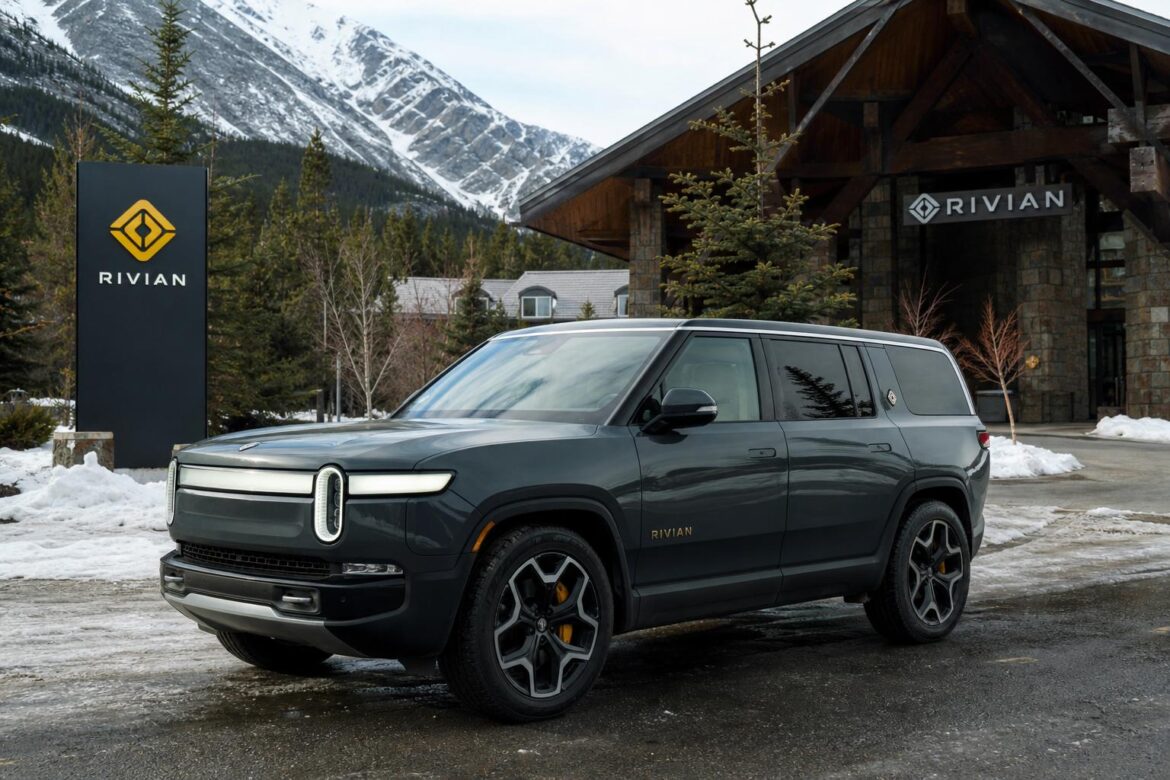
Rivian didn’t set out to build another commuter car. It built electric trucks and SUVs that can wade through a creek, swallow camping gear, and still ferry kids to hockey practice in minus-25. If you’re curious how that translates to day-to-day life north of the 49th—charging in winter, taxes, incentives, insurance, road trips, condo charging politics—you’re in the right place. This in-depth Rivian Canada guide walks through the decisions that actually matter, with Canadian prices, rules, climate, and roads in mind.
We’ll cover models (R1T and R1S today, plus what’s realistic to expect from R2/R3), how to plan cross-country routes without drama, what the real cost looks like after luxury tax and sales tax, how fast you can charge on Petro‑Canada or Electrify Canada, what to know about winter range, and how to install home charging that just works. Expect practical tips, a few hard truths, and fewer surprises when you finally take delivery.
Why Rivian Matters in Canada
Canada buys a lot of trucks and SUVs. Our winters are serious. Our distances are long. Most EVs were originally designed as efficient city runabouts, then up-sized to meet North American tastes. Rivian flipped that script: it designed the R1T pickup and R1S SUV from the ground up for range, utility, and off-road strength, then layered in daily comfort and a polished user interface. That approach resonates here, where an EV has to tow a sled trailer to Sudbury one weekend and parallel park in Kitsilano the next.
Rivian also leans into adventure features that make sense for Canadian life: serious ground clearance via air suspension, real underbody protection, proper recovery points, power outlets for tools or a campsite, and a robust all-wheel-drive system. Add software updates that keep improving driver assistance, charging logic, and cold-weather behavior, and you have a brand that rewards owners who travel far and often—not just those who commute.
Rivian Models Available to Canadians
Today, the Canadian focus is the R1T (a five-seat electric pickup) and the R1S (a three-row electric SUV). Both share a platform, cabin technology, and many options. Picking the right one comes down to your gear, family size, and how often you want to tow or venture off pavement.
R1T: The Electric Pickup That Actually Does Truck Things
The R1T is sized between a midsize and full-size truck, with clever packaging. The bed is shorter than a traditional half-ton, but you gain storage in the frunk and a unique gear tunnel running across the body behind the rear seats. For city parking, that slightly tidier footprint is a gift. For road trips and projects, the 120‑volt outlets in the bed and cabin, the integrated air compressor, and the lockable storage feel like someone who camps and builds things helped with the checklist.
Towing capacity is robust—rated up to roughly 4,990 kg (11,000 lb) in U.S. materials, which typically aligns with Canadian specs. Payload is substantial for an EV. The real story, though, is stability and power. Regenerative braking helps control heavy loads on long descents through Rogers Pass or the Laurentians. And the instant torque makes merging or passing with a trailer less stressful. Just remember: towing can halve range, especially in winter or at highway speeds. Plan charging stops with wider safety margins.
R1S: The Family-First, Adventure-Ready SUV
The R1S fits three rows, real cargo room, and rugged underpinnings into a package that’s easier to park than a full-size SUV. If you’re regularly shuttling between soccer fields, ski hills, and relatives’ homes three provinces over, it’s the one that makes EV life feel normal. The ride is composed, visibility is strong, and the third row is usable for kids and small adults. Fold the seats and you’ll fit a Costco run and ski bags without Tetris.
The R1S tows less than the R1T (U.S. rating is about 3,493 kg or 7,700 lb), but it’s plenty for small campers, boats, or snowmobile trailers. Off-pavement chops remain impressive, with selectable drive modes for snow, sand, and rocks, and an adjustable air suspension that can hunker down for highway efficiency or rise for rough cottage roads. In winter, the combination of traction control and torque vectoring makes it feel glued to plowed but icy lanes—provided you run proper winter tires.
Powertrains and Battery Choices in Canada
Rivian’s Canadian lineup has offered different configurations over time. You’ll see dual‑motor (two drive units) and quad‑motor (one per wheel) variants, paired with battery packs of increasing capacity. Bigger packs deliver more range and heavier curb weight. Dual‑motor models trade a touch of extreme off-road finesse for lower cost and efficiency gains on the highway. Quad‑motor models serve up uncanny traction control and precise torque distribution on slippery, uneven surfaces—the sort of capability that makes deep February slush less dramatic.
Range ratings vary by wheel size, tire type, battery pack, and temperature. Canadian NRCan ratings are the ones to trust for apples-to-apples comparisons here. Off-road tires and larger wheels will clip range. Cold weather reduces range for any EV, and winter highway speeds amplify that. Build in headroom (25–35% in deep winter is a reasonable planning buffer) and use the vehicle’s preconditioning features before fast charging or setting off on frigid mornings.
Winter and Off-Road Features That Actually Matter Up Here
Beyond the marketing talk, a few things truly help in Canada. Battery and cabin preconditioning saves time at fast chargers and makes early departures painless. Heated seats and steering wheel use far less energy than blasting cabin heat; in an EV, you feel that efficiency personally as extra range. Adjustable suspension with generous ground clearance helps on unplowed driveways and rutted cottage roads. Strong underbody protection stops rocks and ice chunks from becoming expensive repairs. And proper recovery points are essential if you wheel regularly or get caught off the plow’s schedule.
Rivian’s drive modes are thoughtfully tuned. Snow mode softens throttle mapping and prioritizes stability on packed snow. Off-road modes adjust ride height and traction strategy, often limiting wheelspin and heat buildup that can otherwise sap energy. Learn the nuances, and the truck or SUV begins to feel like it’s reading the road with you, not just following orders from the right pedal.
Driver Assistance and Safety Tech
Rivian’s Driver+ system bundles adaptive cruise control, lane-keeping support, blind‑spot monitoring, and other helpers. It’s designed for hands-on, eyes-up driving—not hands‑free. The cameras and radar array see well at night, and the software evolves via over‑the‑air updates. On long 401 or Highway 1 stints, Driver+ reduces fatigue, but it isn’t an excuse to zone out. Canada’s winter grime can also obscure sensors; keep them clean, and don’t expect perfect performance in blowing snow or slush storms.
Pricing, Taxes, and the True Cost in Canada
Let’s clear the fog. Nominal MSRP isn’t what leaves your bank account. In Canada, sales taxes, a potential federal luxury tax, and delivery or documentation fees stack up quickly. Incentives for Rivian’s current models are limited due to price caps. Understanding the math now helps you avoid awkward surprises on delivery day.
MSRP Ranges and What Influences the Bottom Line
Exact pricing changes over time, and options (larger battery, quad‑motor, premium interior, off‑road upgrades) can move the total by tens of thousands of dollars. Wheels and tires matter more than you’d think, both in cost and range. If you choose factory all‑terrain tires and big wheels because they look right, factor the range hit and replacement cost later. Paint, interior trims, roof racks, and protection packages add up. Keep a running tally as you configure—the final number is what determines tax and, in many cases, luxury tax exposure.
Federal iZEV Incentive and Provincial Rebates
Canada’s federal iZEV program offers up to $5,000 off qualifying new zero‑emission vehicles. Eligibility is based on MSRP caps: passenger cars with a base MSRP under $55,000 (higher trims up to $65,000), and larger vehicles such as SUVs, vans, and pickups with a base MSRP under $60,000 (higher trims up to $70,000). Current Rivian R1 models generally exceed those caps, so they typically do not qualify for the federal incentive.
Provincial incentives vary and change periodically. British Columbia and Quebec have been leaders, though both set price caps that exclude most high-end EVs. Ontario currently offers no provincial rebate for passenger EVs but provides HOV lane access with green plates and some utility rebates for home chargers. Even where provincial rebates exist, Rivian’s pricing often sits above the cap. If you’re banking on a future, lower‑priced Rivian model like the R2 potentially falling under incentive caps, treat that as a “maybe later” rather than a plan you can count on today.
Luxury Tax and Sales Taxes: The Dollars That Sneak Up on You
Canada’s federal Select Luxury Items Tax applies to vehicles priced above $100,000 before taxes. The luxury tax is the lesser of 10% of the full price or 20% of the portion above $100,000. That can be several thousands of dollars on top of GST/HST or GST+PST. Add options at configuration time, and this tax recalculates. Accessories included in the purchase contract can be pulled into the taxable amount. Consider buying non‑essential add‑ons after delivery if you want to limit luxury tax exposure.
Sales tax depends on your province:
- Alberta, Northwest Territories, Nunavut, Yukon: 5% GST only.
- British Columbia: 5% GST + 7% PST (plus provincial measures that may vary by vehicle class over time).
- Saskatchewan and Manitoba: 5% GST + provincial sales tax (6% SK, 7% MB).
- Ontario: 13% HST.
- Quebec: 5% GST + 9.975% QST.
- New Brunswick, Newfoundland and Labrador, Nova Scotia, Prince Edward Island: 15% HST.
Don’t forget environmental fees like tire stewardship charges, which vary by province and tire size. If you’re swapping to winter tires at delivery, those new tires are usually subject to a separate eco‑fee line item.
Insurance: Public vs Private, and How to Keep Costs in Check
Insurance is public in BC (ICBC), Saskatchewan (SGI), and Manitoba (MPI), and private elsewhere. EVs can cost more to repair, but strong safety ratings and driver-assistance systems often counterbalance premiums. Discounts exist for winter tires (Ontario), telematics, and multi‑policy bundles. If you drive fewer annual kilometres—common with home charging—say so. Compare quotes that reflect the vehicle’s actual safety and theft risk; EV pickup theft rates differ from traditional half‑tons because there’s no easy black market for catalytic converters and the vehicles are software‑locked.
If you tow, confirm liability and collision coverage while towing and while parked at a site. Some policies treat the trailer as a separate risk. If you off-road, understand what “off maintained roads” means in your policy language. You don’t want to debate definitions from a ditch.
Home Charging Costs and Panel Upgrades
Most Rivian Canada owners thrive on home charging. A 240‑volt Level 2 charger at 40–48 amps covers overnight charging needs even for long commutes. Typical installation costs range from about $800 to $2,500 when the panel is close to the parking spot. If you need a panel upgrade or a long conduit run, the project can run $2,500 to $5,000 or more. Detached garages, trenching, and older houses with 100‑amp service push costs higher.
Permits and inspections are mandatory in many jurisdictions. Follow the Canadian Electrical Code (CEC) and local rules. In Ontario, Electrical Safety Authority (ESA) permits and post‑install inspections are routine. In BC, Technical Safety BC oversees permits. Use a licensed electrician, and document the line rating, breaker size, and charger settings. This matters for insurance and resale, and keeps your equipment safe and compliant.
Charging a Rivian in Canada
Range is freedom. Charging is how you secure it. The good news: Canada’s DC fast‑charging network has matured enough to handle real road trips along major corridors. The caveat: plan ahead in winter, build in redundancy, and understand connectors and memberships so you don’t stare at a screen in the cold.
Connectors Today: CCS1, With the Industry Shifting Toward NACS (SAE J3400)
Rivian vehicles in Canada use CCS1 for DC fast charging and J1772 for Level 2 AC. That means you can plug into Electrify Canada, Petro‑Canada, Ivy (Ontario), BC Hydro, Circuit électrique (Quebec), FLO DC, and many co‑op stations without adapters.
Several automakers, including Rivian, announced plans to adopt the North American Charging Standard (NACS), now standardized as SAE J3400. The transition takes time. Adapters and station access policies vary by network and by date. In practice, your Rivian will rely primarily on CCS1 stations for public fast charging in Canada until NACS access is fully rolled out and supported in software. Keep your vehicle firmware updated and check Rivian’s Canadian site or app for the latest on adapter availability and supported networks.
Public Fast‑Charging Networks You’ll Actually Use
Not all networks feel the same in January. Here’s a practical snapshot of where Rivian Canada owners commonly plug in and what’s different about each. Availability and reliability evolve, so verify station status in your apps before you go.
| Network | Where It Shines | Notes for Rivian Owners |
|---|---|---|
| Electrify Canada | Corridors in BC, AB, ON, QC with high‑power dispensers | CCS up to 350 kW; watch per‑minute vs per‑kWh pricing rules by province |
| Petro‑Canada | Trans‑Canada coverage with many 200 kW sites | Good redundancy along Highway 1 and 17/417; app or RFID required |
| Circuit électrique (Hydro‑Québec) | Dense in Quebec cities and highways | Mix of 50–180+ kW; reliable uptime; bilingual support |
| Ivy (ON) | Ontario highway corridors and some northern routes | CCS focus; roaming with ChargePoint and others in some cases |
| BC Hydro / FLO | BC towns, ferry routes, and interior highways | Many 50–100 kW units; plan for longer stops in remote areas |
| Co‑op / Municipal | Prairies and smaller towns nationally | Power levels vary widely; check app photos and recent check‑ins |
Charging prices differ by province due to regulations: some bill per minute, others per kWh. Per‑minute billing can feel punitive for large‑battery vehicles tapering at higher states of charge. To save money and time, charge from low to about 70–80% rather than waiting for a slow trickle to 100%.
Real‑World DC Fast‑Charging Strategy in Canadian Weather
Battery preconditioning matters. If your Rivian’s navigation knows you’re headed to a DC fast charger, it will warm (or cool) the battery to the right temperature on the way. Arrive hot, and the first 10–20 minutes of charging scream by. Show up cold, and those same minutes crawl while the car heats itself. In winter, drive 15–30 minutes before your first fast charge, or target a charger just past a major city rather than the one right at its edge.
Elevation changes influence arrival state of charge. Crossing the Rockies eastbound toward Calgary recovers energy; heading west into grades consumes it. Wind and slush raise consumption markedly. Respect the buffer the truck recommends, and add more if the weather turns. If a site looks crowded in the app, pick Plan B before you get there. Most networks let you see how many stalls are live; a two‑plug site with one unit down is a bottleneck on busy weekends.
Home and Workplace Charging: How to Spend Less and Wake Up Full
Level 2 home charging is the quiet backbone of EV ownership. Set your Rivian to charge overnight when rates are lowest. Ontario’s time‑of‑use pricing pushes you to off‑peak windows; Quebec’s rates are low altogether but can feature dynamic winter peaks; Alberta’s market pricing varies by retailer and hour. Learn your local tariff. Those pennies per kWh add up over a year of commuting and ski trips.
If your workplace offers Level 2, it can top you up to avoid public fast charging altogether for routine days. Be a good citizen: don’t monopolize chargers at 100% state of charge, and coil your cable neatly if you use a shared unit. In public AC spots, leave a “okay to unplug after 80%” note in the window with your phone number. It’s gracious, and it keeps the ecosystem friendly.
Apartment and Condo Charging: Rights, Etiquette, and Persistence
Condo and strata charging is getting easier, but it isn’t plug‑and‑play. You’ll need board approval, an electrical assessment, and a plan for metering and cost recovery. Many provinces encourage “right‑to‑charge” policies that require reasonable accommodation, subject to technical feasibility and cost sharing. The details vary, but persistence pays.
| Province | General Status | Tips |
|---|---|---|
| British Columbia | Guidance supports strata EV readiness; provincial programs have offered rebates for make‑ready and chargers | Start with a building‑wide EV ready plan; leverage utility or provincial incentives when available |
| Ontario | Condominium Act guidance encourages reasonable installations; many condos have EV policies | Propose a metered solution and indemnity; get ESA permits; timing is faster if you accept a shared circuit |
| Quebec | Co‑ownership syndicates see growing EV adoption; Circuit électrique familiarity helps | Bring multiple quotes and a load calculation; Hydro‑Québec programs may assist common‑area upgrades |
| Prairies & Atlantic | Case‑by‑case; fewer formal policies but openness is rising | Start with a pilot on a few stalls, then scale; show how costs are allocated to users only |
Keep proposals simple: one or two shared Level 2 chargers with usage billed via RFID or app is often the fastest way to start. Once the building sees demand, it’s easier to approve individual metered outlets.
Road‑Tripping Across Canada in a Rivian
Can you drive a Rivian across Canada today without stressing every kilometer? Yes—if you plan like a pro, especially in winter. The Trans‑Canada Highway has solid CCS coverage in most provinces, with a few gaps that require patience or a slower plan. Here’s how to think about real routes.
British Columbia to Alberta: Vancouver to Calgary (and Back)
This corridor is well supported with DC fast chargers through the Fraser Valley, Kamloops, Revelstoke, Golden, and Canmore. Winter brings steep climbs, heavy snow, and cold valleys. Plan to charge where services are abundant—Kamloops, Revelstoke, and Golden are reliable stops—rather than pushing to smaller one‑or‑two‑stalls sites late in the day. Avoid arriving at Rogers Pass near empty in a snowstorm; the truck’s heater and defroster will work hard, and consumption will spike.
Ski trips to Sun Peaks, Big White, Revelstoke, and Lake Louise are entirely doable. Factor in uphill legs using more energy, then enjoy regeneration on the descent. Preheat while still plugged in at accommodations. In many mountain towns, Level 2 at hotels and municipal lots is plentiful, which saves money and stress over chasing a high‑power DC station during peak weekend traffic.
Prairie Stretches: Calgary to Regina to Winnipeg
The Prairies are easy on the eyes and hard on range when the wind pipes up. Expect strong crosswinds that add 10–25% consumption. Petro‑Canada and Electrify Canada sites dot the Trans‑Canada, usually with at least one high‑power unit. In deep cold snaps, chargers can get temperamental. Arrive warm and at a lower state of charge (15–30%) for the fastest sessions. If a charger misbehaves, don’t beat it into submission for 20 minutes—move to the next stall or location. That decisiveness saves time overall.
Routes into Northern Saskatchewan and Manitoba get sparse. If you’re heading off the main highways for work or recreation, combine Level 2 stops with DC hubs and keep a wider buffer. Don’t underestimate how much slush buildup on all‑terrain tires saps efficiency and creates noise. A quick knock‑off at a safe pullout can pay dividends in comfort and consumption alike.
Ontario and Quebec: Toronto–Ottawa–Montréal–Québec City
This corridor is Canada’s EV sweet spot: dense, reliable networks and plenty of redundancy. In Ontario, Ivy, Electrify Canada, and municipal/retail sites cover the 401 and 417 corridors. In Quebec, Circuit électrique is everywhere—including well-sited highway plazas with heated washrooms and real food options. If you’re new to EV trips, cut your teeth here. You’ll get a feel for how your Rivian behaves on cold mornings, how fast it charges at 20% versus 60%, and what wheel/tire choices mean in the real world.
Busy weekends see lineups at a few chokepoints near cottage country and ski areas. Start earlier, pick the less popular sites (often one exit sooner or later), and leave with 75–85% rather than waiting out slow tail charging. You won’t miss those last few percent, and your average speed door‑to‑door will improve.
Atlantic Canada: Halifax to St. John’s
Nova Scotia, New Brunswick, and Prince Edward Island have grown their DC networks meaningfully. You can move confidently among Halifax, Moncton, Saint John, Charlottetown, and many smaller towns. Newfoundland and Labrador have DC coverage on main routes, but plan conservatively—weather is fickle, distances are long, and some sites are lower power. Think old‑school: charge whenever you see a good opportunity, not just when you “need” to. If you’re ferrying to the island, arrive with a healthy state of charge; ferry terminals may have limited or busy chargers on peak travel days.
Cape Breton and the Cabot Trail make for unforgettable drives in a Rivian, especially outside peak tourist weeks. Take it slow, enjoy the views, then top off while grabbing seafood. Rural cafes with Level 2 chargers are worth their weight in warmth and kilowatt‑hours in shoulder seasons.
The North: BC to Yukon and Beyond
The Alaska Highway is a bucket‑list trip with any vehicle. In an EV, it’s an expedition that demands research and patience. Yukon has invested in DC and Level 2 chargers along core corridors, but spacing can be wide and power levels modest. Summer trips are the time to do it. Winter adds risk you don’t need unless you’re an experienced EV traveler comfortable with large buffers and flexible plans. Call ahead to confirm station status in truly remote communities. Bring a backup Level 2 plan where possible, and consider carrying a Level 1 cord as a last‑ditch overnight option if storms close roads.
Ownership Experience: Day‑to‑Day Life With a Rivian in Canada
After the honeymoon, a good EV blends into your life. It should heat up quickly, charge predictably, carry your people and gear, and handle the country’s worst roads without drama. Rivian checks those boxes and adds a few nice touches that feel designed by people who camp, ski, and surf on weekends.
Service, Mobile Technicians, and Warranty
Rivian combines service centres in major metro areas with mobile service that comes to you for many repairs and maintenance items. Over‑the‑air updates handle a surprising amount of the “service” modern EVs need—software improvements, bug fixes, and even feature additions. Collision repairs go through approved body shops; high‑voltage safety means you want certified technicians on any structural or battery‑adjacent work.
Warranty coverage includes a comprehensive vehicle warranty and a separate battery and drive unit warranty. Exact Canadian terms can vary by model year, so check Rivian’s Canadian website or your purchase agreement for the numbers that apply to your VIN. If you live far from a service hub, ask about mobile coverage in your area before you order. You’ll want to know turnaround times for parts and the process for loaners if your vehicle is down for a few days.
Seasonal Maintenance: Winning Winter Without Losing Range
Winter tires are non‑negotiable. Look for the three‑peak mountain snowflake symbol and choose a model that pairs well with a heavy EV—sturdy sidewalls, good wet braking, and low rolling resistance if you value range. Check pressures frequently; EVs flag low pressures quickly, but January cold lowers psi overnight. Underspec pressures add drag and stress tire shoulders.
Wash the underbody periodically to rinse salt, especially if you drive on treated highways in Quebec or the Maritimes. Modern corrosion protection is good, but road chemicals are relentless. Keep wiper fluid rated for deep cold. Use seat and wheel heat in the city and moderate cabin temperature on highway slogs to conserve energy without sacrificing comfort. If you park outside, schedule a short preheat before departure while plugged in; it costs pennies and pays off in warm glass and higher initial regen.
Towing, Payload, and Camping: The Fun Part
EV torque makes towing feel effortless until you watch the range indicator. Plan routes with more frequent stops and aim for chargers with trailer‑friendly pull‑throughs. Where that’s not available, budget time to drop the trailer before charging. A modest camping trailer is perfect; massive fifth‑wheels are outside the R1’s best use case. For short trips, you may find range perfectly adequate and the silence in camp priceless.
For camping without a trailer, the R1T’s bed and gear tunnel are a dream. Lock valuables, power lights or a portable fridge from the onboard outlets, and use Camp Mode to level the suspension on sloped sites. The frunk swallows a surprising amount of soft gear—sleeping bags, stove, and the bag you forgot you packed. If you head into bear country, treat food storage with the usual respect; a locked vehicle is not a certified bear canister.
Accessories That Make Sense in Canada
Two essentials: all‑weather mats and mud flaps. They keep salt, slush, and rocks where they belong. A low‑profile roof box preserves range better than a tall one and keeps skis dry through coastal storms. Consider a charger with a longer cable if your driveway is tight; it reduces awkward parking contortions. If you spend time on gravel, a clear paint protection film on rocker panels and fenders prevents the sandblasted look by spring.
Skid plates and recovery boards are for those who truly leave paved roads. The R1’s underbody is stout, but ice shelves and embedded rocks don’t care. For city dwellers, a compact 12‑volt inflator and a proper torque wrench for wheel swaps are smarter first purchases than a trunk full of expedition gear you’ll never use.
Buying and Delivery in Canada
Rivian uses a direct‑to‑consumer model in Canada: you configure online, place a deposit, and complete paperwork digitally. Delivery and service centre locations evolve, and mobile delivery is common in regions near hubs. Timelines vary by trim and options; higher‑demand configurations can take longer.
Order Steps, Deposits, and What to Double‑Check
Build your vehicle and lock in options with a refundable deposit (terms can change; read them). Before you finalize, review total pricing including delivery fees, luxury tax (if applicable), and taxes for your province. If you’re tight against the $100,000 luxury tax threshold, reconsider nonessential options at order time and plan to add accessories later. Confirm winter tire availability through Rivian or a trusted local shop well before the first snowfall—EV‑suitable sizes can sell out in November.
Ahead of delivery, set up app access, charging accounts (Electrify Canada, Petro‑Canada, FLO, Circuit électrique, Ivy), and RFID cards. If you have a home charger installed, test it with another EV if possible. You want day one to feel easy.
Financing, Leasing, and Business Purchases
Rivian offers financing options; you can also use your bank or credit union. Shop rates and terms like you would for any vehicle, but factor the total tax bill into your loan amount carefully. Leasing options may be limited or vary by province. If you own a business, talk to your accountant about Canadian tax treatment for zero‑emission vehicles. Canada has offered accelerated capital cost allowance (CCA) for qualifying zero‑emission vehicles used in business, subject to class limits and annual updates. Your accountant will know the current caps and how they apply to your situation.
Insurance proof, plate transfers, and payment logistics differ by province. In BC, expect to handle ICBC paperwork; in Ontario and Quebec, plan the usual private insurance steps. Bring identification, proof of insurance, and payment method details as directed by your delivery advisor.
Importing a Used Rivian From the U.S. to Canada
Cross‑border deals can be tempting. Before you wire funds, confirm the vehicle is admissible through the Registrar of Imported Vehicles (RIV) program and that it meets Canadian Motor Vehicle Safety Standards. U.S.‑built vehicles generally avoid import duty under CUSMA, but you’ll owe GST/HST at the border and RIV fees. Daytime running lights and an approved immobilizer are required; most modern EVs, Rivian included, are well-equipped, but verify.
Use a title search and inspect for flood or collision damage. Ensure the U.S. charging connector and software are compatible with Canadian networks (they are, since CCS1 is North America‑wide). You may need to update maps and the account region after import; the manufacturer can guide you. Factor transportation, inspection, and any provincial safety certificate costs into your total.
Environmental Footprint and Canada’s Grid Reality
The climate case for EVs depends on where electricity comes from and how efficiently you drive. Canada’s grid is among the cleanest in the world, with big hydro in Quebec, BC, Manitoba, and Newfoundland and Labrador; nuclear in Ontario; growing wind and solar on the Prairies and in the Maritimes. Even in provinces with fossil generation, lifetime emissions for an EV are typically lower than a comparable gasoline truck—especially if you charge overnight when demand is lower and generators run more efficiently.
Want to go further? Many utilities offer green power add‑ons or community solar/wind programs. At home, a heat‑pump water heater and better insulation can offset your charging footprint entirely. Recycling is improving too: Canadian firms and partners are building capacity to recover lithium, nickel, and cobalt from end‑of‑life packs. The net result: driving electric in Canada meaningfully cuts tailpipe emissions and smog precursors, particularly in dense corridors where air quality matters most.
Comparing Rivian to Alternatives in Canada
No vehicle exists in a vacuum. If you’re cross‑shopping, here’s how Rivian stacks up against common Canadian options—not as a spec sheet war, but as a lived experience comparison.
Rivian R1T vs Ford F‑150 Lightning, Silverado EV, and Others
The F‑150 Lightning feels familiar to anyone who has owned a Ford truck—huge cab, strong dealer network, and clever bed features. It’s excellent for trades and towing within a local or regional radius. The Rivian is tighter to park, feels more athletic on a winding road, and delivers a more cohesive software experience. Silverado EV and Sierra EV target longer range and massive towing, but availability and pricing vary and their footprint is larger. If you live downtown or regularly trailhead on rough access roads, the Rivian’s size and suspension are real advantages.
Charging is a tie in broad strokes: all use CCS1 in Canada today and rely on the same public networks. Your real‑world experience will hinge on software, preconditioning, and efficiency at highway speed. Rivian’s charging curve is competitive, especially when arriving warm and low on state of charge.
Rivian R1S vs Tesla Model X/Model Y (7‑Seat), Kia EV9, and Luxury Three‑Row EVs
The R1S’s calling cards are off‑road ability and rugged construction. The Model X brings long‑range efficiency and access to Tesla’s Supercharger network as that opens up with adapters and partnerships; it also sits at a luxury price point and has a different design philosophy. The Kia EV9 offers strong value in the three‑row space with a lower starting price, but it isn’t aimed at the same off‑road use. Luxury three‑row EVs like the Mercedes‑Benz EQS SUV or (eventually) Volvo EX90 trade on cabin opulence and brand cachet, often at higher prices and with less trail credibility.
In Canadian winter slop, tire choice levels many differences. The R1S on proper winters feels unflappable. If your life is 90% highway between major cities and you crave maximum efficiency, an aero‑optimized SUV may suit you better. If you split time between city and backcountry, the R1S is tough to beat.
What’s Next: R2 and R3 for Canada
Rivian announced smaller, more affordable models—the R2 and R3—aimed at broadening its audience. Target U.S. starting prices and production plans were shared publicly, with timelines pointing to mid-decade deliveries. Canadian pricing and timing were not finalized as of late 2024. If these models arrive with MSRPs below federal and provincial caps, they could qualify for incentives that the current R1 series misses, making the math friendlier for more households.
Charging will keep evolving, too. With the industry moving toward SAE J3400 (NACS), expect cleaner station designs, simpler cables, and better vehicle‑charger handshakes. In practice, your takeaway today should be simple: a Rivian you buy now will primarily use CCS1 in Canada, with software updates and adapters expanding where you can plug in over time.
Common Mistakes Canadian Buyers Can Avoid
Three themes come up over and over. First: underestimating winter range. Build 25–35% margins into your plans when it’s cold, especially with roof boxes or all‑terrain tires. Second: forgetting taxes and the luxury tax until late in the process. Price your configuration including all taxes and fees from the start. Third: assuming every condo board is anti‑EV. Many are supportive when you present a practical, metered plan that doesn’t shift costs to non‑EV residents. Be patient, propose a pilot, and offer to help manage the rollout.
A bonus mistake: buying aggressive off‑road tires for the look but hating the noise and range loss by March. If you rarely leave pavement, choose all‑season or winter tires with efficiency in mind, and keep a second set for that Moab dream trip later.
A Pre‑Order Checklist for Rivian Canada Shoppers
Before you click “Place Order,” run this checklist:
- Confirm your home charging plan, permits, and panel capacity; schedule an electrician if needed.
- Estimate the final out‑the‑door price—including delivery, luxury tax (if applicable), GST/HST/PST, and tire fees.
- Price winter tires and wheels in the correct load rating and size; order early.
- Set up accounts for major charging networks and order RFID cards where offered.
- Map your typical road trips and verify DC charger density and power levels along those routes.
- Ask about local service coverage and mobile service availability for your postal code.
- Decide on dual‑motor vs quad‑motor with your real use in mind; don’t over‑buy capability you won’t use.
- Keep a simple accessories list for delivery day and a “buy later” list to avoid luxury tax on non‑essentials.
- If in a condo/strata, prepare an EVSE proposal with metering and cost recovery for the board.
- Speak with your insurer about expected premiums and any discounts (winter tires, telematics, multi‑policy).
FAQs: Rivian Canada
Do Rivian vehicles qualify for Canada’s federal iZEV rebate?
Generally no. The iZEV program caps MSRP eligibility at $60,000 for base SUVs/pickups (with higher trims up to $70,000). Current R1 models typically exceed those caps. Future models like the R2 could be different, but Canadian pricing and eligibility were not finalized as of late 2024.
What charging connector does a Rivian use in Canada?
CCS1 for DC fast charging and J1772 for Level 2 AC. The industry is transitioning toward SAE J3400 (NACS). Rivian has announced support for the new standard, with adapters and software enabling broader access over time. For now, CCS1 remains your primary public fast‑charging option in Canada.
Can I drive a Rivian across Canada in winter?
Yes, with planning. Use winter tires, precondition the battery before fast charging, and add extra buffer for cold, wind, and slush. Focus on reliable highway sites with multiple stalls, and avoid arriving with a single‑digit state of charge during storms. You’ll learn your truck’s winter personality quickly, and trips become routine.
How much does home charging installation cost?
Expect roughly $800–$2,500 for a straightforward Level 2 installation, more if you need a panel upgrade, long conduit runs, or trenching. Always use a licensed electrician, pull required permits, and keep documentation for insurance and resale.
Will my condo or strata let me install a charger?
Often, yes. Many buildings now have policies for EV charging, and provinces encourage reasonable accommodation. Propose a metered setup that doesn’t shift costs to other owners. Start with a shared charger if panel capacity is tight. Expect board meetings, electrical assessments, and some patience.
What is the Rivian Adventure Network situation in Canada?
Rivian’s proprietary fast‑charging network has focused on the U.S. with plans evolving. In Canada, your primary public fast charging today is CCS1 via third‑party networks like Electrify Canada, Petro‑Canada, Circuit électrique, Ivy, and BC Hydro/FLO. Check Rivian’s updates for any Canadian Adventure Network developments over time.
How does towing affect range?
Expect a significant drop—often around 40–50% at highway speeds, more in uphill or winter conditions. Plan shorter hops between chargers, use pull‑through sites when available, and precondition. A small, aerodynamically clean trailer reduces the penalty compared to a tall, boxy one.
What about the federal luxury tax?
If your pre‑tax vehicle price exceeds $100,000, the Select Luxury Items Tax applies. It’s the lesser of 10% of the full price or 20% of the portion above $100,000. This is on top of GST/HST or GST+PST. Options added at purchase time count toward the taxable amount.
Is maintenance cheaper on a Rivian than on a gas truck?
Routine maintenance is generally lower—no oil changes, fewer moving parts, and regenerative braking reduces pad wear. Tires can be a bigger line item, especially with heavier EV curb weights. Winter wash and underbody care are worth the small expense to protect against salt.
What’s the range in Canadian winter?
It depends on speed, temperature, tires, and heater use. A reasonable planning rule is to expect 25–35% less highway range in cold conditions, with deeper losses in extreme cold or with roof boxes and aggressive tires. City driving in winter often suffers less due to lower speeds and more regen.
Should I choose dual‑motor or quad‑motor?
If you prioritize cost and highway efficiency, dual‑motor is compelling. If you routinely drive unplowed roads, tackle uneven trails, or want the most precise traction control in deep winter, quad‑motor shines. Most Canadian owners do fine with dual‑motor and good winter tires.
Is importing a used Rivian from the U.S. a good idea?
Sometimes. You’ll owe GST/HST, RIV fees, and you need to confirm admissibility and safety compliance. Savings can evaporate with transport, inspection, and exchange rate swings. Do the math carefully and get a full pre‑purchase inspection and title history.
When will the Rivian R2/R3 be available in Canada?
Rivian revealed plans and U.S. timelines. Canadian pricing and exact delivery timing were not finalized as of late 2024. If you’re interested, follow Rivian’s official Canada channels for updates, and consider how potential pricing may interact with federal and provincial incentive caps.
Final Thoughts
Rivian built an EV for people who actually go places. In Canada, that matters. The R1T and R1S make winter bearable, spring mud fun, and long summer days on the Trans‑Canada surprisingly relaxed. Yes, you’ll think more about charging than you ever did about gas. In exchange, you get torque on tap, a warm cabin on schedule, quiet mornings, and a vehicle that feels as eager for adventure as you are.
If you approach the purchase with clear eyes—taxes tallied, winter tires ready, charging apps loaded—you’ll join a growing group of Canadian owners who’ve discovered that “electric” and “everyday life here” belong in the same sentence. Rivian Canada is no longer an experiment; it’s a practical, capable way to roam.