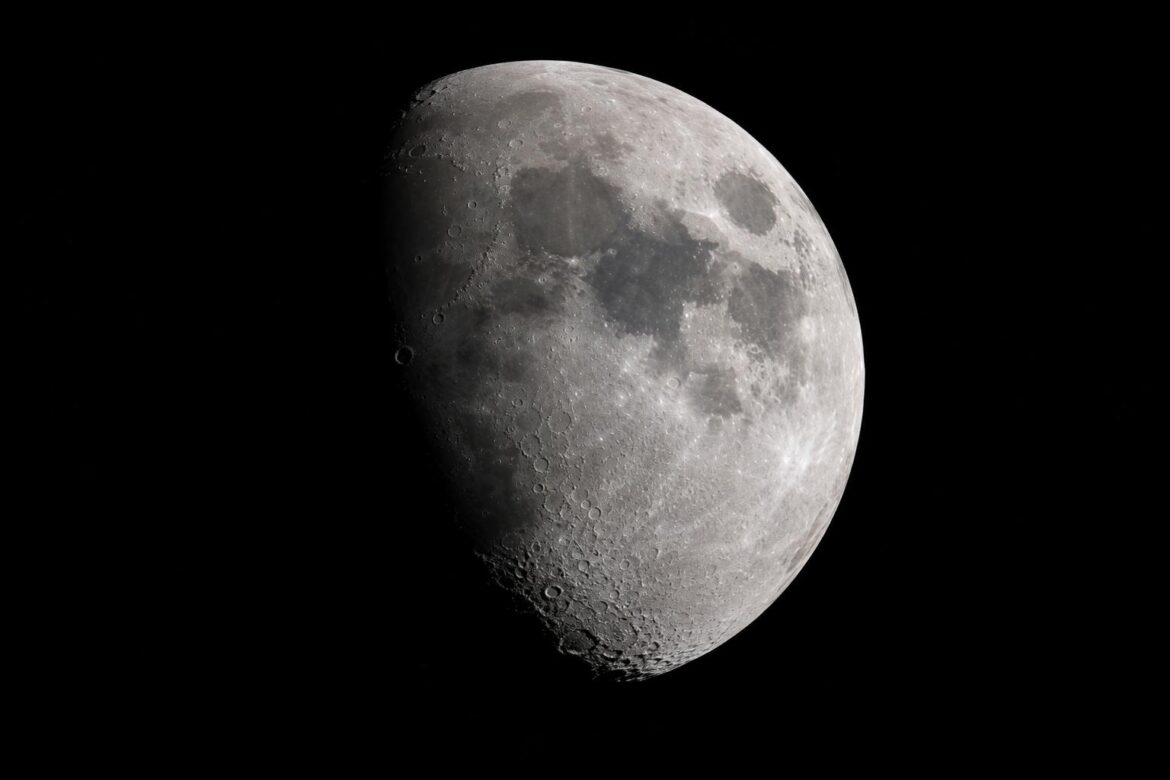
Step outside any clear evening and the Moon tells a story. Some nights it’s a crisp silver crescent hanging over Vancouver Harbour, other nights it’s a lantern washing the Prairies in pale light. If you came here to find the moon phase today—and to make sense of what you’re seeing—you’re in the right place. This guide explains how to check the current moon phase in seconds, why the Moon looks the way it does tonight, how times shift across Canadian time zones, and how to put lunar knowledge to work for photography, travel, tides, night hikes, and skywatching. Along the way, you’ll get Canada-specific examples, trusted resources, and practical tips that are worth bookmarking.
Quick Answer: How to Check the Moon Phase Today in Seconds
There are several fast and reliable ways to find the current moon phase in Canada right now, no matter where you live.
- Search smart: Type “moon phase today” or “tonight’s moon Toronto” (swap in your city) into your search engine. You’ll usually see a live card showing the phase name (e.g., waxing gibbous), the lunar illumination percentage, and sometimes moonrise and moonset times.
- Use astronomy and time services: Timeanddate.com, the U.S. Naval Observatory, and NASA’s moon page are well established. For Canadian context, the National Research Council (NRC) of Canada and the Royal Astronomical Society of Canada (RASC) offer calendars and explanations. Look for “current moon phase in Canada” within those resources.
- Check your weather app: Many Canadian weather apps and widgets display “tonight’s moon” along with phase icons. iOS and Android stock weather apps often show the lunar icon for your location. Third-party apps such as clear-sky and planetarium tools add rise/set times, azimuth, and altitude.
- Keep a simple lunar calendar: A printed or digital lunar calendar for your province helps you spot patterns—new moon, first quarter, full moon, last quarter—at a glance. It won’t give the minute-by-minute timing but it’s perfect for planning.
If you want the fastest shorthand without any tools: remember that the full moon rises around sunset and sets around sunrise; the first quarter Moon is high in the south around sunset; and a slim crescent low in the west after dusk is waxing toward first quarter. But for exact numbers, use a reputable site or app for your specific city.
What “Moon Phase Today” Actually Means
The Moon doesn’t shine on its own; it reflects sunlight. As the Moon orbits Earth roughly every 29.5 days (the synodic month), we see different portions of its daylit half. That changing view from Earth is what we call lunar phases. The sequence runs:
- New Moon (invisible or nearly so)
- Waxing Crescent
- First Quarter (half-lit, right side bright in the Northern Hemisphere)
- Waxing Gibbous
- Full Moon
- Waning Gibbous
- Last Quarter (half-lit, left side bright in the Northern Hemisphere)
- Waning Crescent
When you check the moon phase today, you might also see “illumination”—that’s the percentage of the Moon’s disk lit by the Sun as seen from Earth. Around first quarter or last quarter it’s close to 50%. Near full moon it’s about 100% (sometimes shown as 99–100% depending on rounding). A tiny sliver of light, say 5–10%, means a thin crescent.
Is the Moon waxing or waning? In Canada, if the right-hand side is bright and the Moon is growing each night, it’s waxing. If the left-hand side is bright and shrinking night by night, it’s waning. This right-left cue works reliably in the Northern Hemisphere.
Why “Tonight’s Moon” Looks Different Across Canada
The Moon phase is global. At any given moment, the Moon’s phase is the same in St. John’s, Montreal, Calgary, and Whitehorse. But the local date, the clock time of moonrise and moonset, and the Moon’s position in your sky vary quite a bit. Three big factors explain most differences Canadians see:
- Time zones and daylight saving time (DST)
- Your latitude (how far north you are)
- Local horizon and weather (buildings, mountains, haze)
These matter because the Moon is constantly moving eastward in the sky—about 12–13 degrees per day relative to the stars—and your local clock runs in a time zone. Add Canada’s wide span and seasonal light, and your experience of “moon phase today” becomes delightfully local.
Time Zones and DST: Why Your Friend in Halifax Saw Moonrise Earlier
Canada spans six primary time zones:
- Pacific Time (PT): British Columbia and parts of Yukon’s neighbours reference
- Mountain Time (MT): Alberta, parts of British Columbia and the Northwest Territories, and Yukon (which remains on MST year-round)
- Central Time (CT): Saskatchewan (mostly no DST), Manitoba, parts of Nunavut and northwestern Ontario
- Eastern Time (ET): Ontario, Quebec (south), and Nunavut regions
- Atlantic Time (AT): New Brunswick, Nova Scotia, Prince Edward Island, and parts of Labrador
- Newfoundland Time (NT): Newfoundland and part of Labrador (a unique half-hour offset)
Daylight saving time shifts the clock forward by one hour in spring and back in fall. Most provinces and territories observe DST, but Saskatchewan largely does not (Lloydminster and area, on the Alberta border, follow Alberta’s time changes). Yukon adopted permanent MST (UTC−7) year-round. These variations mean that the clock-time of moonrise, moonset, and when you see the Moon high in the sky changes across the country even though the phase is identical.
One more wrinkle: the exact moment of “full moon” or “new moon” is measured in Coordinated Universal Time (UTC). Depending on your time zone, that moment can fall on different local calendar dates. For example, a full moon that occurs at 00:30 UTC on the 12th may still be late evening on the 11th in British Columbia, but early morning on the 12th in Nova Scotia.
Latitude: Northern Skies Change the Show
Canada’s latitude shapes the Moon’s path. In southern Ontario or coastal British Columbia, the Moon’s arc is higher and more familiar to mid-latitude observers. In the North—think Yellowknife, Iqaluit, or Inuvik—the Moon takes a shallower path across the sky in summer and a higher, more elongated arc in winter. At high latitudes, the Moon can skim the horizon or spend hours lingering in twilight glow. These shifts influence how long the Moon is up, how bright your night feels, and whether you get that dramatic low, orange moonrise everyone loves to photograph.
Local Obstacles and Weather: The Everyday Factors
Towers in downtown Toronto, the Coast Mountains near Squamish, fog banks rolling into St. John’s—your local horizon shapes when you first glimpse the Moon. A posted “moonrise” time assumes a flat horizon and clear view. In practice, haze and terrain can delay your first sighting by 5–20 minutes. If you’re planning to watch a moonrise over water, arrive early, find an unobstructed eastern horizon, and be patient.
How Moonrise and Moonset Work (And the Simple Rules to Remember)
Once you get the hang of a few patterns, predicting “tonight’s moon” becomes easier:
- New Moon: Rises and sets with the Sun. Invisible or nearly so because the sunlit side faces away from us. Great for stargazing and Milky Way hunting in Canada’s dark-sky preserves.
- Waxing Crescent: Visible shortly after sunset low in the western sky. Sliver of light on the right side. Sets a couple of hours after the Sun.
- First Quarter: Half-lit (right side). High in the south around sunset. Sets near midnight.
- Waxing Gibbous: Bright and nearly full. Rises mid- to late afternoon, dominates the evening sky, sets in the wee hours.
- Full Moon: Rises around sunset, sets around sunrise. The brightest nighttime phase, but it washes out faint stars.
- Waning Gibbous: Rises late evening, bright in the early morning hours. Left side illuminated.
- Last Quarter: High in the south around dawn. Rises around midnight, sets around noon.
- Waning Crescent: Visible before sunrise in the east. Thin sliver that fades into morning light.
A rough timing rule: the Moon rises about 50 minutes later each day. That’s an average; the daily shift can vary by 30–70 minutes depending on the season and your latitude. If you saw the first quarter Moon high at 7 p.m. tonight in Ottawa, expect it to be similarly placed roughly 50 minutes later tomorrow.
Canada-Specific Examples: Tonight’s Moon from Coast to Coast to North
To illustrate how the current moon phase plays out, consider a waxing gibbous as an example. In Vancouver, it will already be up by late afternoon, brightening as twilight fades. In Calgary and Edmonton, it rises earlier in the afternoon and rides a bit higher. In Toronto, Montreal, and Ottawa, it’s prominent by early evening. In Halifax and St. John’s, it feels like a head start—the Moon looks well placed by dinnertime thanks to time zone differences.
Now imagine a waning crescent a few days before new moon. In Winnipeg, you’ll catch it before dawn low in the east, a slender curve brightening a touch as the sky pales. In Iqaluit, the viewing window is short, squeezed by long dawn twilight depending on the season. If you miss it, you’ll have to wait an extra day and try earlier—remember that 50-minute rule.
When you want exact times, always pull location-specific data. Differences of 10–60 minutes add up quickly across Canada. A quick search for “moonrise and moonset times Vancouver” or “moonrise today Halifax” gives precise numbers, and most astronomy apps let you drag a time slider to visualize where the Moon will be.
Making the Most of the Moon Phase Today
The current moon phase is more than trivia. It shapes tides, night lighting, animal behaviour, photography opportunities, and how you plan outdoor activities. Here’s how to use it.
Tides and Coastal Travel: Bay of Fundy to Tofino
The Moon’s gravity is the main driver of Earth’s tides. Around new moon and full moon, the Sun, Earth, and Moon align, creating “spring tides” with larger tidal ranges. Around first and last quarter, “neap tides” produce smaller ranges. For Canadians on the coasts—especially near the Bay of Fundy, which has the world’s highest tidal range—this matters daily.
- Trip planning: If you’re visiting Hopewell Rocks in New Brunswick, check both the tide tables and the moon phase today. Spring tides may reveal more of the sea floor at low tide but also bring faster, higher incoming water. Always heed posted times and safety barriers.
- West Coast surf and beach walks: In Tofino or Pacific Rim National Park Reserve, a full or new moon can contribute to higher high tides. Keep an eye on tide tables and beach safety advisories, especially during storms.
Important note: Moon phase correlates with tidal range, but local geography and weather can amplify or mute the results. Coastal Canada posts official tide tables; consult them, not generic solunar charts, when safety is involved.
Fishing and Hunting: What the Moon Can and Can’t Tell You
Many anglers use solunar tables (which include moon phase and moon’s position) to pick “peak times.” Some swear by them, others shrug. Scientific evidence is mixed for inland freshwater fishing, but on tidal waters in Canada, the link between tides and fish movement is very real—so moon phase can help indirectly.
- Saltwater: On the Atlantic or Pacific coasts, plan around tide changes near spring tides for dynamic currents and potential feeding windows. Combine with local knowledge from tackle shops.
- Freshwater: In Ontario’s Shield lakes or Alberta rivers, treat solunar times as a nudge, not a rule. Water temperature, weather fronts, and pressure changes often matter more.
For hunters, be mindful of regulations. Spotlighting or night hunting is heavily restricted or illegal in most Canadian provinces and territories. Always check provincial hunting regulations and seasons. Moonlight can make nocturnal wildlife more visible to each other and to you, but ethical and legal considerations come first.
Night Hikes, Camping, and Backcountry Safety
A bright waxing gibbous or full moon can turn a familiar trail into a magical experience. In parks across Canada—Kananaskis Country, Algonquin, Kejimkujik, Fundy, and beyond—moonlit nights help with navigation. But they also wash out starry skies. Choose your phase based on your goals:
- Stargazing and Milky Way: Aim for new moon through waxing crescent, and head for dark-sky preserves.
- Moonlit walks and landscape photography: Target waxing gibbous to full moon, and scout your route in daylight for hazards.
Check park hours and closures. Many urban parks close at dusk; some national and provincial parks allow after-hours access for stargazing, but rules vary. In Canadian national parks, drones are generally prohibited without a special permit from Parks Canada, day or night. If you plan to fly a drone elsewhere in Canada, review Transport Canada’s RPAS rules before you launch—night flying comes with additional visibility requirements and may be restricted in some areas.
Gardening, Culture, and Calendars
Planting by the Moon is a long-held tradition in many communities. Scientific evidence that moon phase impacts plant growth is limited, but using the lunar cycle as a rhythm for planning and observation can be satisfying. Keep a simple lunar phase chart in your shed; it might help you schedule tasks around your own routines and weather, which matter more in Canadian climates.
Many cultural and religious observances in Canada use a lunar or lunisolar calendar. Islamic months begin with the sighting of the new crescent; some communities use calculated calendars while others rely on local sighting. If the moon phase today indicates a new moon, check with your local mosque or community organization for official announcements. East and South Asian festivals also align with lunar phases—mid-autumn festivals occur near the full moon, for example.
Full Moons, Supermoons, and Popular Names in Canada
You’ve heard of the Wolf Moon, Harvest Moon, maybe even a Blue Moon. What do these mean, and do they apply to Canada? The short version: yes, with context.
Popular full moon names like Wolf Moon (January) or Harvest Moon (near the fall equinox) are widely publicized by almanacs and media. They stem from a mix of European and North American settler traditions. Many Indigenous Nations across Canada have their own names and teachings for moons that are distinct and vary by region and language; if you want to use names respectfully, consult trusted local sources rather than assuming a single list applies nationwide.
Two other terms you’ll see because they affect how bright or big the Moon looks:
- Supermoon: A full moon that occurs near the Moon’s closest point to Earth (perigee). It can look a bit larger and brighter than average—noticeable in photography comparisons, subtle by eye.
- Micromoon: A full moon near the farthest point (apogee). Slightly smaller and dimmer than average.
Blue Moon has two definitions in common use. The “calendar Blue Moon” is the second full moon in a single calendar month. The older “seasonal Blue Moon” is the third full moon in an astronomical season that has four full moons. Neither means the Moon turns blue; that rare atmospheric effect comes from particles in the air (e.g., after major wildfires or volcanic eruptions).
Planning by Moonlight: Canada’s Best Dark-Sky Places
Whether you’re after the Milky Way during new moon or want a full-moon-lit landscape, Canada has world-class dark-sky sites. A few standout locations:
- Jasper National Park, Alberta: One of the largest Dark Sky Preserves, with an annual dark sky festival. Excellent access by road and a range of accommodations.
- Wood Buffalo National Park, Alberta/Northwest Territories: Enormous and remote, with superb night skies for seasoned campers.
- Grasslands National Park, Saskatchewan: Open prairie, minimal light pollution, mesmerizing horizons for moonrises and the Milky Way.
- Kejimkujik National Park and National Historic Site, Nova Scotia: Designated Dark-Sky Preserve, great family-friendly programs.
- Kouchibouguac National Park, New Brunswick: Well-known for sandy beaches and starry skies.
- Torrance Barrens Dark-Sky Preserve, Ontario: Canada’s first Dark-Sky Preserve, drivable from the GTA, ideal for quick trips.
- Mont-Mégantic International Dark Sky Reserve, Quebec: Observatory access and community lighting policies create excellent conditions.
For deep-sky viewing, plan around the new moon phase. For night landscapes, water reflections, or trail walks, target waxing gibbous to full moon. In winter, the Moon rides high and the air is often clearer; in summer, you’ll contend with late twilight at higher latitudes but warmer nights.
Observing the Moon Tonight: What to Look For
You don’t need a telescope to enjoy the Moon. Binoculars open up a surprising amount of detail, and even naked-eye observing is rich when you know where to look.
- Terminator detail: The line between light and dark (the terminator) is where shadows are longest. Around first or last quarter, look for craters and mountain ranges popping into relief. Binoculars—7×50 or 8×42—are perfect.
- Maria and highlands: The dark “seas” (maria) are ancient lava plains. The brighter areas are cratered highlands. Note how different maria dominate as the phase changes.
- Libration: Over a month, the Moon seems to wobble slightly, revealing a bit more of the eastern or western limbs. If you observe often, you’ll notice subtle changes.
If you’re new to it, use a planetarium app to label features in real time. In Canada’s cities, light pollution doesn’t affect lunar observing much—the Moon is bright enough—but it does wash out constellations. On a clear night in Regina or Quebec City, you’ll see the same lunar features you’d see in rural Yukon; the difference is the number of stars around it.
Photography Guide: Capture the Moon Phase Tonight
Whether you’re aiming for a crisp telephoto of the Moon’s surface or a glowing moonrise over a city skyline, planning and settings matter. Here’s how to get results in Canadian conditions.
Gear and Basics
- Camera: Any modern camera or smartphone can do a surprising job. For close-ups of the lunar surface, a telephoto lens (300–600 mm on full-frame) or a telescope with a smartphone adapter helps.
- Tripod: Essential for telephotos or low-light scenes. In winter, bring an extra battery—cold drains power fast from Ottawa to Edmonton in January.
- Focus: Use manual focus and magnified live view. Focus on the Moon’s limb until it’s tack sharp.
Exposure Tips
- Surface detail (close-up): Start with the “Looney 11” rule—at f/11, use a shutter speed of 1/ISO (e.g., ISO 200 → 1/200 s). Adjust slightly based on phase; crescents are dimmer, full moons a touch brighter.
- Moon over landscape: Exposures depend on ambient light. During blue hour, expose for the landscape and let the Moon clip slightly, or bracket multiple shots. If the Moon looks too bright, try timing your shot earlier at moonrise when it’s dimmed by atmospheric haze.
- Crescents and Earthshine: When a thin waning or waxing crescent appears, you’ll see “Earthshine” lighting the Moon’s dark side. Expose longer (e.g., 1/4 to 1 s at low ISO) on a tripod to capture it, but expect the crescent to blow out unless you composite.
Planning the Shot
- Alignments: Use planning apps to visualize the Moon’s azimuth and altitude for your city. Line up the Moon with the CN Tower, Calgary Tower, Lions Gate Bridge, Château Frontenac, or the Halifax waterfront. Scout for safe vantage points in daylight.
- Moon illusion: Near the horizon, the Moon looks bigger. It isn’t—your brain is the culprit—but it’s perfect for dramatic photos. Shoot with a long lens from far away to make the Moon loom larger over foreground objects.
- Atmosphere: In summer, heat shimmer softens telephoto shots; shoot early in the evening or on cooler nights. After Canadian wildfires, smoke can turn the Moon orange and lower contrast; use it creatively.
Safety and Practicalities
- Coastal shots: Around full or new moon, tides can move quickly—especially in the Bay of Fundy. Never turn your back on the ocean while framing a shot. Check tide tables.
- Urban rooftops and bridges: Follow local bylaws and property rules. Many spaces close at night; choose legal, public vantage points.
- Cold-weather prep: In Winnipeg in February or Iqaluit most of the year, frost can build on lenses. Pack lens wipes and keep gear in a sealed bag when moving indoors to avoid condensation.
Science Corner: Orbits, Eclipses, and Why We Don’t Get One Every Month
The Moon’s orbit around Earth is tilted by about 5 degrees compared to Earth’s orbit around the Sun. That slight tilt means the Moon usually passes a little above or below the exact Sun–Earth line at new and full phases, so no eclipse happens. Eclipses occur only when the Moon is near one of the two nodes—points where its orbit crosses Earth’s orbital plane—at the time of new or full moon.
In Canada, lunar eclipses (at full moon) are relatively common to see over several years, weather permitting, and are safe to watch with the naked eye. Solar eclipses (at new moon) require specialized eye protection—never look at the Sun without a certified solar viewer. If a solar eclipse is forecast for your area, check official guidance from Canadian science organizations and local authorities for safe viewing events.
Understanding Illumination Percentages and Phase Names
When websites list “moon illumination” alongside “current moon phase,” that percentage can sit near, but not exactly at, the “named” phase:
- New Moon: Illumination near 0% (often rounded to 0%).
- First/Last Quarter: Around 50%, but could be 49–51% depending on rounding and observation time.
- Gibbous phases: Typically 60–99% (waxing gibbous) or 60–99% (waning gibbous).
- Crescents: Roughly 1–40% (waxing or waning).
Why the mismatch? Phase names describe geometry at specific instants. Your check for “moon phase today” might land hours before or after that exact moment. Different services round differently and may update at slightly different intervals.
Table: Typical Rise/Set Patterns by Phase
Use this quick-reference table as a planning guide. Times are approximate and vary by date and location across Canada.
| Phase | Illumination (approx.) | Rises | Highest In Sky | Sets | Best For |
|---|---|---|---|---|---|
| New Moon | 0% | With Sun | Noon (invisible) | With Sun | Stargazing, Milky Way, deep-sky |
| Waxing Crescent | 1–40% | Morning to midday | Afternoon | Evening | Earthshine, sunset landscapes |
| First Quarter | ~50% | Midday | Sunset | Midnight | Crater detail along the terminator |
| Waxing Gibbous | 60–99% | Afternoon | Evening | Early morning | Bright night hikes, landscape glow |
| Full Moon | ~100% | Sunset | Midnight | Sunrise | Moonlit scenes, long exposures |
| Waning Gibbous | 60–99% | Evening | After midnight | Morning | Early morning walks, serene lakes |
| Last Quarter | ~50% | Midnight | Sunrise | Noon | Dawn observing, shadows on craters |
| Waning Crescent | 1–40% | Pre-dawn | Morning | Afternoon | Delicate crescents, Earthshine |
Reading Moon Phase Charts vs. Live Data
A lunar phase chart for your city or province gives an at-a-glance look at the month’s phases. It’s ideal for planning trips, shoots, or events. But when timing matters—say you want to watch the Moon crest the horizon over the Halifax waterfront tonight—use live data specific to your coordinates. A difference of 30 minutes could be the difference between a breathtaking shot and missing it entirely.
Accuracy tips for Canadians:
- Time zones: Confirm whether your app is adjusting for DST. Yukon’s permanent MST can trip up older tools.
- Location: Let your app use GPS or type in the exact community, especially in rural Saskatchewan, northern Quebec, or Nunavut, where distances between centres are large.
- Rounding: Illumination percentage and phase labels sometimes disagree by a hair. Trust the label for the general phase and the number for fine-grained progress.
If the Moon Looks Different Than Expected
Sometimes what you see in the sky doesn’t match the diagram in your head. Here are common reasons:
- Orientation: From Canada’s latitudes, the right side waxing vs. left side waning rule works, but the Moon can appear tilted. That’s normal and depends on the Moon’s path and your latitude.
- Atmospheric colour: A low Moon near the horizon often looks red or orange, especially in summer or during wildfire smoke events. That’s scattering, not a different phase.
- Moon illusion: Near the horizon, the Moon seems larger. It’s a perception effect. Photograph it with a foreground object to harness the drama.
- Haze or thin cloud: Details blur and halos appear around the Moon. Thin cirrus can make the Moon seem brighter without crisp edges.
Putting It All Together: A Step-by-Step Plan for Tonight
- Check the current moon phase: Search “moon phase today [your city]” to get the phase name and illumination percentage.
- Note moonrise and moonset times: Pull your local numbers for precise planning.
- Decide your goal: Stargazing (go near new moon), a moonlit walk (aim for gibbous/full), or a skyline photo (target moonrise/moonset).
- Pick your spot: Choose a safe, legal location with a clear horizon in the needed direction—east for moonrise, west for moonset.
- Mind Canadian specifics: Consider time zones, DST, tides on coasts, winter cold, and local bylaws or park rules.
- Arrive early: The Moon doesn’t wait. Haze or terrain can delay first sighting by several minutes.
Regional Notes: Examples from Canadian Cities and Towns
Vancouver and Coastal British Columbia
Marine layers can mask low horizons. For moonrise shots, head to the seawall with a clear eastern view—False Creek, Kits Beach, or Ambleside Park looking back at downtown. In winter, the Moon rides higher and the night air is steadier for telephoto shots. Check “moonrise time Vancouver” along with weather fog advisories.
Calgary, Edmonton, and the Prairies
Big skies and flat horizons make the Prairies perfect for lunar arcs. The Moon’s day-to-day shift in rise time is easy to observe. Around full moon, expect long, sharp shadows on snowy fields—great for minimalistic photos. Winds can cause camera shake; bring a sturdy tripod and use a remote or timer.
Toronto, Ottawa, and Southern Ontario
Light pollution doesn’t hinder the Moon, but it does limit star fields around it. For skyline alignments, plan sightlines with the CN Tower or Parliament’s Peace Tower. The Toronto Islands or Humber Bay Shores offer classic eastern horizons for moonrise. In winter, watch for ice along shorelines and strong winds off Lake Ontario.
Montreal and Quebec
Mont-Royal gives elevated viewpoints; use it to clear tree lines for moonrise. Quebec’s varied terrain—from the St. Lawrence to the Laurentians—means horizons change quickly. In rural Quebec, darker skies make Earthshine on crescents easier to see.
Halifax, St. John’s, and Atlantic Canada
Tides and weather move fast. In St. John’s, fog can make or break a plan within minutes; have a backup spot at higher elevation (e.g., Signal Hill). Along Nova Scotia’s South Shore, combine lighthouse foregrounds with a rising full moon for iconic scenes—but always check tides and stay behind barriers.
Winnipeg, Regina, Saskatoon
With minimal horizon obstructions, crescents are especially photogenic during twilight. Saskatchewan’s DST exception means your clock may not match what visiting friends expect; confirm rise/set times with “moonrise today Regina” or “moon phase tonight Saskatoon.”
Whitehorse, Yellowknife, Iqaluit, and the North
At northern latitudes, twilight lasts longer in summer, so thin crescents can be challenging. In winter, the Moon can soar high with crisp air—excellent for binocular detail. Dress for the cold, protect batteries, and choose stable ground for tripods on snow and ice. In some seasons, the Moon can skim low for long stretches; adjust your expectations and embrace the unique geometry.
Common Myths vs. What We Actually Know
Moon myths are irresistible. Here’s a quick reality check for Canadians trying to make practical choices:
- “The full moon guarantees great fishing.” Not exactly. On tidal waters, the increased tidal range around full and new can help, but weather and local conditions are still king. On inland lakes, results vary.
- “You can’t see the Moon in the daytime.” You can, and often do. Daytime moons are especially common in the first and last quarter weeks.
- “Every month has one full moon.” Usually, but not always. Calendar months and the 29.5-day lunar cycle don’t align perfectly, which is why Blue Moons happen.
- “A supermoon is dramatically bigger.” It’s subtly bigger to the eye—noticeable side-by-side in photos or if you watch closely over many months.
Trusted Sources for Canadians
If you bookmark just a few resources for the current moon phase and related data, make them dependable:
- National Research Council (NRC) Canada: Astronomical information, explanations, and educational content tailored to Canadians.
- Royal Astronomical Society of Canada (RASC): Observer’s Handbook and local centre events; excellent for context and community observing nights.
- Timeanddate.com: Flexible, location-specific moonrise/moonset times, illumination, and lunar calendars for Canadian cities and towns.
- Environment and local park authorities: For tides, closures, and safety advisories if your plan involves coastlines or night access.
Advanced: Why Your App Shows a Different Time Than Your Friend’s
Even two reputable apps may differ by a few minutes. Reasons include:
- Topocentric vs. geocentric calculations: Good apps use your exact position on Earth (topocentric), which changes apparent times slightly compared to Earth’s centre (geocentric) values.
- Horizon refraction: Some services include standard atmospheric refraction when computing “rise” (when the upper limb appears). Weather can alter this by a minute or two.
- Elevation and local horizon: If your friend in Calgary is atop Scotsman’s Hill and you’re near the riverbank, their “first sighting” can differ even with the same official time.
If precision matters for a photo alignment, scout beforehand, or use an app that lets you model terrain and account for your elevation. For most casual observing, a few minutes of leeway is fine—arrive early and enjoy the changing light.
Practical Planning Scenarios
“I want to watch the Moon rise over the ocean in Halifax tonight.”
Check “moon phase today Halifax” and confirm it’s near full or waxing gibbous for a bright evening rise. Pull moonrise time and arrive 20–30 minutes early with an unobstructed eastern view. Bring a wind layer and secure your tripod; coastal breezes are stronger than you think.
“I’m camping in Jasper during a new moon weekend.”
Perfect for stargazing. Pack binoculars for the Moon in the morning sky (waning crescent) and enjoy deep-sky views at night. Dress for temperature drops after sunset. Respect wildlife and keep lights red and dim to protect night vision at public star parties.
“I’m photographing a thin crescent above Toronto’s skyline.”
Target a waxy sliver 1–3 days after new moon. Scout a western viewpoint with clear sightlines (e.g., Polson Pier). Check times, use a long lens, and shoot during civil twilight so buildings and sky balance in exposure.
How the Moon Interacts with Canada’s Seasons
Seasonal daylight swings change your lunar routine. In June in Edmonton, it barely gets dark, and thin crescents can be washed by extended twilight. In December, a full moon can make snowy nights feel like daylight. The tilt of Earth means the Moon’s path is higher in winter evenings and lower in summer evenings, opposite the Sun’s seasonal arc. If you plan moonlit activities, factor that in: winter evenings bring a high, bright Moon; summer evenings bring lingering twilight and lower arcs.
Glossary: Terms You’ll See in Moon Phase Guides
- Waxing: The illuminated portion is growing.
- Waning: The illuminated portion is shrinking.
- Crescent: Less than half illuminated.
- Gibbous: More than half illuminated.
- Terminator: The boundary between the lit and dark halves.
- Perigee/Apogee: Closest/farthest points of the Moon’s orbit around Earth.
- Synodic month: ~29.5 days between identical phases (e.g., full to full).
- Azimuth/Altitude: Compass direction and angle above the horizon for locating objects in the sky.
Frequently Asked Questions
What is the moon phase today in Canada?
The current moon phase is the same across Canada at a given moment, but moonrise and moonset times vary by location. For the exact phase name and illumination where you are, search “moon phase today [your city]” or use a trusted astronomy app. You’ll see labels like waxing crescent, first quarter, waxing gibbous, full moon, waning gibbous, last quarter, or waning crescent, plus the lunar illumination percentage.
Is the Moon waxing or waning tonight?
In the Northern Hemisphere, including Canada, the Moon is waxing if the right side is lit and getting bigger each night. It’s waning if the left side is lit and shrinking. To confirm instantly, check a live moon phase chart for your city.
What time does the Moon rise and set today in my province?
That depends on your exact location and the date. See a location-specific tool by searching “moonrise and moonset times [your city].” Remember that Saskatchewan mostly doesn’t observe daylight saving, and Yukon uses MST all year—so cross-check that your app handles local time correctly.
When is the next full moon in Canada?
Full moons occur every 29.5 days on average. For the next date, check a lunar calendar for your city or a reputable site like the NRC or Timeanddate. Note that the exact moment of full moon is in UTC, so the local date can shift between provinces.
Why is the Moon orange or red tonight in Toronto/Vancouver/Calgary?
Colour near the horizon comes from atmospheric scattering; you’re seeing the Moon through a long path of air. Wildfire smoke and haze intensify the effect, often making the Moon orange or even red. It’s the same reason sunsets glow.
Can I see the Moon during the day?
Yes. Around first quarter, you can spot a daytime Moon in the afternoon sky; around last quarter, look in the morning. It’s bright enough to be obvious once you know where to look.
Does the Moon affect human behaviour or sleep?
Research is mixed and often inconclusive. Some studies report small effects on sleep patterns near the full moon, while others find none. If a bright full moon shines into your bedroom, practical steps like blackout curtains matter more than the phase itself.
Is “full moon tonight” the best time for stargazing?
No. A full moon washes out fainter stars and the Milky Way. If you want deep-sky views from Canadian dark-sky preserves, aim for a new moon or thin crescent period. If you want bright moonlit landscapes or safe night hiking light, full moon is perfect.
What’s the difference between a supermoon and a regular full moon?
A supermoon occurs when a full moon happens near perigee, the closest point in the Moon’s orbit. It looks slightly larger and brighter than average—subtle to the eye but measurable and photogenic. A micromoon is the opposite: a full moon near apogee, a bit smaller and dimmer.
Are there Canadian regulations I should know for night photography or moon-viewing events?
Yes. Many municipal parks close at night; check local bylaws. In national parks, drones are prohibited without a special permit from Parks Canada. If you plan coastal photography, consult official tide tables and safety advisories. For organized skywatching, local RASC centres often host public events with guidelines to protect night vision and wildlife.
How can I tell exactly where the Moon will be in the sky tonight?
Use a planetarium or planning app that shows azimuth (compass direction) and altitude (degrees above the horizon) for your location and time. Set your city, scrub the time slider, and note where the Moon crosses landmarks. Arrive early to account for haze and obstacles on your horizon.
Are Indigenous moon names the same across Canada?
No. Many Indigenous Nations have distinct lunar names, teachings, and seasonal markers that reflect local lands and languages. If you want to learn and use them respectfully, consult reliable resources from the Nation on whose territory you live or plan to visit.
What’s the easiest way to start observing the Moon from Canada?
Tonight: check the current moon phase, step outside at the right time, and spend five minutes watching the terminator. Note one feature you can recognize again tomorrow. If you have binoculars, rest them on a fence or tripod. Keep a simple log with the phase, time, and a quick sketch—you’ll be surprised how quickly you learn the Moon’s face.
Final Thoughts
“Moon phase today” is more than a quick fact—it’s a practical tool for planning and a doorway into the night sky. In Canada, where time zones, seasons, and landscapes vary so widely, understanding tonight’s moon helps you travel smarter, stay safer on coasts, and make the most of every clear evening. Check your local numbers, pick your spot, and enjoy the show. The Moon won’t look exactly the same tomorrow, and that’s the fun of it.