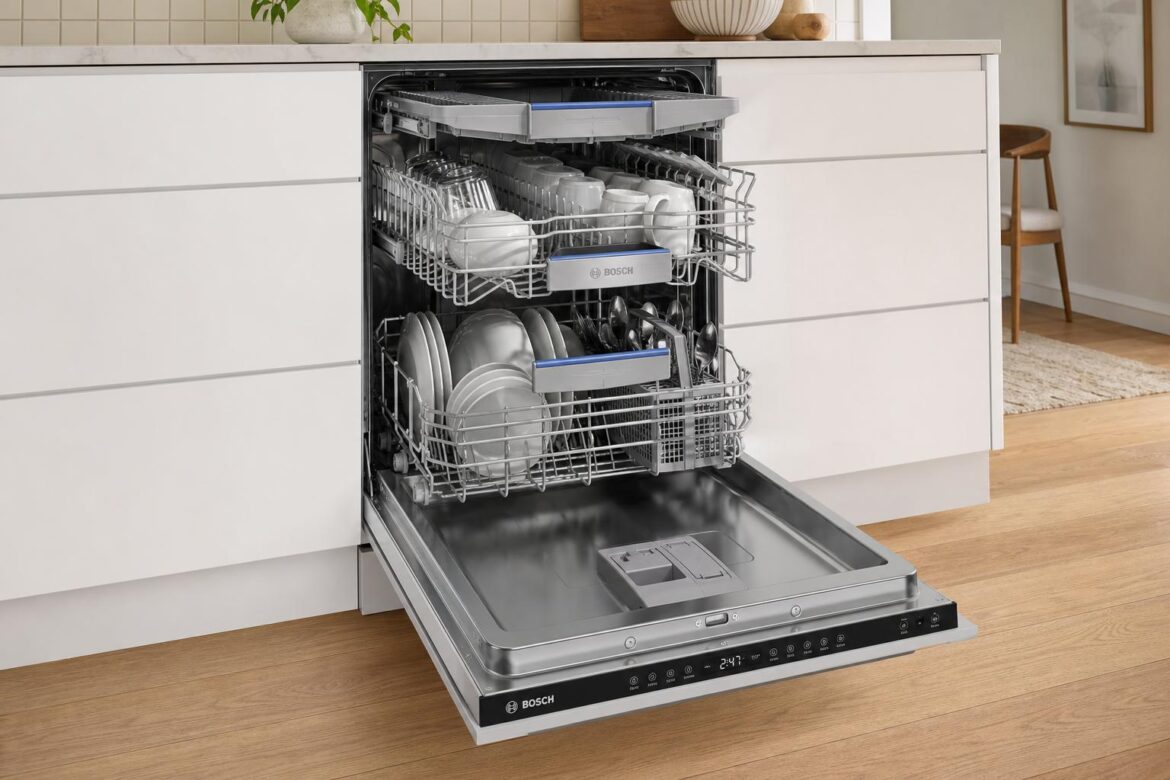
If you’ve ever stood at the sink after a long winter day, hands in lukewarm suds, thinking there must be a better way—there is. A modern dishwasher does more than clean dishes. It saves time, trims utility bills, uses less water than most people do by hand, and keeps your kitchen calmer and cleaner. This guide is written for life in Canada—with our mix of small condos, big family homes, hard water pockets on the Prairies, soft water on the West Coast, and utilities that bill in ways that make you second-guess when to hit “Start.”
We’ll cover what actually matters when you buy a dishwasher, how to size and fit it in Canadian kitchens, the features worth paying for, how much you’ll really spend (purchase, installation, and monthly costs), the rules and norms you should know before you install one, and the best way to load, maintain, and fix common annoyances. By the end, you’ll be able to choose with confidence, install without surprises, and get spotless dishes—without guesswork.
Why a Dishwasher Makes Sense in Canada
Dishwashers have quietly become one of the most efficient appliances in the home. A good unit uses around 9–13 litres of water per cycle. Many Canadians use far more than that running a sink full of hot water—especially if you rinse under an open tap. You’ll also benefit in ways that don’t show on a bill: better hygiene (hotter water than hands can handle), less clutter on the counter, and more time to do literally anything else.
There’s a carbon angle too. The greenhouse gas footprint of running a dishwasher depends on where you live. In Quebec, British Columbia, and Manitoba—thanks to hydro—your electricity tends to be low-carbon. In Alberta or Saskatchewan, the grid’s carbon intensity is higher. Either way, running a full load on an efficient cycle is almost always better than handwashing in hot water. And if your utility offers time-of-use or off-peak rates, you can shift most of your energy use to cheaper hours without sacrificing results.
Then there’s winter. Dry indoor air and salt-sticky cookware are a fact of life in many provinces. Automatic sanitization cycles can help with flu-season hygiene, and condensation drying in a closed dishwasher avoids adding extra humidity to a room that’s already battling condensation on windows.
Types of Dishwashers Available in Canada
There’s a dishwasher for almost every kitchen. The right one depends on your space, plumbing, and how many plates your household seems to generate in a day.
Standard 24-inch built-in (the default choice)
Most Canadian kitchens are designed to accept a 24-inch-wide built-in dishwasher under the counter. Capacity typically ranges from 12 to 16 place settings. If you cook nightly, host often, or have kids, this is the sweet spot. It’s also where you’ll find the widest range of prices and features, from basic models to whisper-quiet, panel-ready premium units.
18-inch compact dishwashers
Common in narrow kitchens, older homes, and condos, these models fit where space is tight. Capacity usually tops out at 8–10 place settings. They can still offer third racks, solid noise ratings, and sensor cycles, but accept that sheet pans and huge pots may need special handling—or a quick scrub in the sink.
Portable dishwashers
Ideal for renters and older homes without a dedicated dishwasher opening, portable units roll out and connect to a standard kitchen faucet with a quick-coupler. They plug into a regular 120V outlet and park against a wall when not in use. You won’t get the absolute quietest operation, but you gain real capacity with minimal installation work. In many Canadian rentals, this is the only practical path to a dishwasher without altering cabinetry.
Countertop dishwashers
A good fit for studios, basement suites, or cottages with minimal space and limited plumbing access. Capacity is roughly 2 place settings, sometimes 4. They’re great for mugs, bowls, and daily utensils, less great for family-size cookware. Some accept a manual water fill if you don’t want to connect to a tap. Expect simple controls and shorter cycle lists.
Drawer dishwashers
Popular in premium kitchens and compact spaces, drawer models (often from Fisher & Paykel) can run one drawer at a time to save water and energy on small loads. They’re easy to load without bending. Costs are higher, capacities per drawer are lower, and installation is more specialized. They’re terrific for couples or as a second dishwasher in a large household.
Panel-ready and integrated designs
If you want a seamless look, choose a panel-ready dishwasher that accepts a custom cabinet panel and a hidden control layout. The dimensions and hinge clearances matter more here—measure carefully and confirm your cabinet maker follows the appliance template to the millimetre.
Sizing, Fit, and Design Details (Don’t Skip This)
Before falling in love with a brand or finish, measure. Then measure again. Canadian cabinetry standards help, but floors aren’t always level and renovations leave surprises.
- Width: Standard built-ins are 24 inches; compacts are 18 inches. Measure the opening at the front and back. Toe-kick intrusions can shrink usable width at the bottom.
- Height: Most dishwashers install under a 34.5–36-inch counter. If you have a thick stone top or an older lower counter, confirm the appliance’s minimum and maximum height with leveling legs.
- Depth: Full-depth units are about 24 inches, plus door thickness and handle projection. In tight kitchens or when a walkway is close, choose a recessed-handle design.
- Door swing: Make sure the door can open fully without hitting an island, radiator, or adjacent handle.
- Plumbing and electrical clearance: You’ll need room at the back and side for the drain hose, supply line, and power connection. Kinks and crushing these lines cause leaks and poor performance.
In condos, confirm there’s a drain branch on the sink tailpiece or a compatible garbage disposal inlet. Some strata corporations require a licensed plumber, proof of insurance, and a water-leak pan or sensor before you’re allowed to install or replace a dishwasher.
Noise Matters More Than You Think
Open-concept main floors dominate newer Canadian homes, and sound carries. Manufacturers publish noise ratings in decibels (dBA). Lower is quieter and the scale is logarithmic, so a few dBA can be noticeable.
- 50+ dBA: You’ll hear it run. Fine for basements and closed kitchens, not great next to a family room.
- 44–48 dBA: Quiet enough for most homes. You’ll notice water sloshing on some cycles, but conversation won’t suffer.
- 42 dBA and below: Library-quiet. Premium models regularly hit 38–42 dBA. If you load after the kids are asleep or host dinner parties, this range is worth the money.
What affects noise? A stainless tub, better insulation, and efficient pumps help. Third racks don’t inherently add noise; they can actually make loading more efficient and reduce clatter. Note that auto and heavy cycles may briefly sound louder during drain phases—that’s normal.
Features That Actually Matter (And What To Ignore)
Stainless-steel tub vs. plastic tub
A stainless tub resists odours, tolerates higher heat, and improves condensation drying. Plastic tubs can perform well, especially in mid-range units, but may retain smells if you don’t clean the filter regularly. If budget allows, stainless is a good long-term bet in a Canadian climate with big temperature swings.
Third rack and flexible racking
Third racks add capacity for utensils, small bowls, and espresso cups. Adjustable middle racks let you fit tall glasses one day and stockpots the next. If you cook daily, rack flexibility is worth prioritizing more than flashy exterior styling.
Soil sensors and auto cycles
Modern dishwashers use turbidity sensors to read how dirty the water is. Auto or sensor cycles adjust time, water, and heat accordingly. In real life, that means solid cleaning with less guesswork. These cycles often beat “Normal” for both cleanliness and efficiency.
Drying systems
You’ll see condensation drying (quiet, energy efficient), exposed heating elements (older approach, can warp light plastics), fan-assisted condensation (faster), and zeolite minerals in some premium models (excellent results, higher cost). In cold climates, opening the door slightly after a cycle can help finish drying without pumping moist air into the room.
Sanitize options
Look for NSF/ANSI Standard 184 certification for sanitization cycles. It means the dishwasher can reduce bacteria by 99.999% under test conditions. Handy during flu season, daycare dish loads, or after handling raw poultry. You won’t use it every day, but it’s reassuring to have.
Leak protection
Brands call it different things (AquaStop, LeakGuard), but the idea is the same: sensors and a pan to catch and cut off water if something goes wrong. In condos or homes with finished basements, this is non-negotiable. Add an inexpensive smart leak sensor on the floor under the sink for extra peace of mind.
Built-in water softener
In hard-water regions (parts of Southern Ontario, Calgary, Regina, Saskatoon), a dishwasher with an internal softener prevents scale and keeps glassware clear. You’ll need dishwasher salt to recharge it—easy to find online in Canada, though not every grocery store stocks it.
Connected features
Wi‑Fi controls let you schedule cycles for off-peak, get leak alerts, or update cycles. Useful? Sometimes. Necessary? No. If you like app-based reminders to clean filters or prefer to start a load from the couch, go for it. Just don’t let connectivity trump core performance.
Energy, Water, and the Canadian Labels
Canada’s appliance labels and standards make it easier to compare models and forecast running costs.
EnerGuide label
Every new dishwasher sold in Canada carries the yellow EnerGuide label from Natural Resources Canada (NRCan). It shows estimated annual electricity use in kilowatt-hours (kWh) and a scale showing where the model sits versus similar units. Use it to compare apples to apples.
ENERGY STAR Canada
ENERGY STAR–certified dishwashers meet stricter efficiency criteria for both energy and water. Many of the quietest, best-cleaning models also carry the blue mark. There’s no downside to choosing ENERGY STAR unless the specific model compromises a must-have feature.
What the numbers mean in your bills
Electricity prices vary by province and even by time of day. To estimate the cost to run a dishwasher:
- Find the EnerGuide annual kWh figure.
- Multiply by your electricity rate ($/kWh). If you’re on time-of-use pricing, assume most cycles run off-peak for a lower rate.
Water and wastewater charges are often higher than people expect. Municipalities typically bill by the cubic metre (1,000 litres). A modern dishwasher using, say, 11 litres per cycle barely nudges that meter. Handwashing under a running tap can easily hit 40–60 litres for the same load.
| Typical scenario | Energy use | Water use | Estimated cost per cycle |
|---|---|---|---|
| Efficient dishwasher, auto cycle | 0.7–1.2 kWh | 9–13 L | $0.08–$0.25 electricity + a few cents water |
| Handwashing (sink/tap) | Varies (hot water heater) | 30–60+ L | Usually higher energy + higher water |
| Old dishwasher (pre-2010) | 1.5–2.0+ kWh | 15–25+ L | $0.20–$0.50 electricity + water |
Rebates for dishwashers in Canada are uncommon compared to heat pumps or fridges, but occasional retailer or utility promotions do appear. Check your provincial energy-efficiency program and your municipality’s website before buying.
Budgeting: What You’ll Pay in Canada
Sticker price is one piece. Factor in delivery, installation parts, and maybe a plumber or electrician. Here’s a realistic overview in Canadian dollars.
- Countertop dishwashers: $300–$700
- Portable dishwashers: $700–$1,100
- 24-inch built-in (entry to mid-range): $500–$1,500
- Premium built-in and panel-ready: $1,500–$3,000+
- Drawer dishwashers (per drawer): $1,100–$1,800
Common add-ons:
- Delivery and haul-away: $50–$150 (often included during sales)
- Installation kit (elbow fitting, braided hose, power cord if needed): $30–$80
- Professional installation (plumber): $150–$350+ depending on complexity and region
- Electrical work (new outlet/dedicated circuit): $150–$500+ if required
Warranties: Most brands include 1 year parts and labour. Some premium lines add longer coverage on racks or the tub. In Canada, provincial consumer laws (e.g., Sale of Goods Act in several provinces) imply that goods should be reasonably durable. Keep your receipt. Many credit cards double the manufacturer’s warranty automatically—worth checking before you buy an extended plan.
Installation in Canadian Homes: The Practicalities
Whether you DIY or hire pros, follow local building, plumbing, and electrical rules. Appliances sold in Canada should bear a recognized certification mark (CSA, cUL, or equivalent). That’s your signal the dishwasher meets national safety standards.
Electrical basics
- Power: 120V, 60 Hz, typically on a 15A circuit. A dedicated circuit is recommended for built-in units.
- Connection: Either hardwired with a junction box or cord-and-plug to a receptacle in the adjacent sink cabinet. Use the method specified by the manufacturer.
- Protection: Requirements for GFCI protection can vary by jurisdiction and code cycle. Many Canadian jurisdictions increasingly require GFCI for dishwashers in dwellings. Check your provincial/territorial electrical code and, in Ontario, ESA guidance before wiring.
- Disconnect: A means to disconnect (plug or accessible junction) is typically required for servicing.
If you’re not fully comfortable with wiring and code compliance, hire a licensed electrician. It’s a small price to avoid shocks, tripped breakers, or an insurance headache after a claim.
Plumbing basics
- Supply: Cold or hot? Most dishwashers in Canada connect to hot water. The machine then boosts temperature as needed. Some models allow cold connections; check the manual.
- Shut-off valve: Use a dedicated, accessible shut-off (often a dual-outlet valve under the sink) and a stainless braided supply line with a 90° dishwasher elbow.
- Drain: The hose must run with a high loop to the underside of the counter before connecting to the sink tailpiece or disposal. Some cities or provinces may recommend or require a countertop air gap; others accept a high loop. Check local plumbing codes and strata bylaws.
- Trap: The P-trap stays under the sink, not behind the dishwasher.
Do a test run with the kick plate off and a towel on the floor. Check every connection under pressure. Small leaks often appear on the first cycle.
Condos, rentals, and strata rules
Many condo corporations in Canada require licensed installation, water leak sensors, and proof of liability insurance. Some specify metal-braided hoses only. If you’re a tenant, get written permission from your landlord before making changes to cabinets or plumbing. Portable or countertop models remain the simplest options for rentals.
Cottages and winterization
If your dishwasher lives in an unheated cottage, winterize it. Drain residual water, run a brief drain-only cycle if possible, and follow the manufacturer’s instructions. Some owners add RV antifreeze to the sump through the filter opening (only if the manual permits). Freezing damage isn’t covered by warranty.
Detergents, Rinse Aid, and Water Quality in Canada
Performance rises and falls on three things: detergent, rinse aid, and water hardness.
Detergent choices
Pods and tablets are convenient and often deliver consistent results thanks to measured dosing and built-in rinse and enzyme packages. Powder allows you to match the amount to load size and hardness. Liquids exist but tend to underperform. Avoid using hand dish soap in a dishwasher—it foams like a bubble bath and can flood your kitchen.
In Canada, the federal Phosphorus Concentration Regulations limit phosphorus in household dishwasher detergents to help protect waterways. Today’s formulas rely on enzymes, oxygen bleach, and polymers to clean effectively within those limits.
Rinse aid
Use it. Rinse aid changes water’s surface tension so droplets slide off faster, reducing spots and improving drying—especially on glass and plastic. If you see streaks, dial back the dispenser setting. If you see water droplets clinging to everything, increase it.
Hard water and dishwasher salt
Hard water leaves white scale, cloudy glasses, and a gritty feel. You’ll find particularly hard water in parts of the Prairies and pockets of Southern Ontario; Vancouver and Halifax are generally soft. If you’re on a municipal supply, most cities post water hardness online. With hard water:
- Use a detergent with a built-in softening agent (many pods include this).
- Increase rinse aid slightly.
- Choose a dishwasher with an internal softener if scale is severe. Refill the softener with dishwasher salt as directed.
- Run a monthly cleaning cycle with a citric acid cleaner to remove mineral buildup.
On septic systems, choose detergents labeled “septic safe” and spread out water-intensive activities across the day. Modern dishwashers are generally fine for septic when used sensibly.
Everyday Use: Loading, Cycles, and Myths
Loading that actually cleans
- Scrape, don’t pre-rinse. Modern sensors assume some soil is present. Pre-rinsing under hot water wastes both water and energy.
- Face the dirty side toward the spray arms. Give each item a clear line of sight to water.
- Don’t nest bowls or spoons. Water can’t reach mashed-together surfaces.
- Top rack: glasses, mugs, small bowls. Bottom rack: plates, cookware. Third rack: utensils and flat items.
- Plastic is light and can flip. Pin it under tines or move it to the top rack to avoid warping.
- Keep tall items away from the detergent dispenser so the door can open fully.
Picking the right cycle
- Auto or Sensor: Your best everyday choice. It adjusts for soil level and load size.
- Normal: A reliable default but less adaptable than Auto.
- Heavy/Pots & Pans: For baked-on casseroles or greasy cookware.
- Eco: Long and frugal with water and heat. Great for off-peak runs when time doesn’t matter.
- Quick/Express: Works for lightly soiled dishes. Don’t expect miracles on dried oatmeal.
- Sanitize: Useful for baby items or after raw meat prep. Not necessary for every load.
Drying tips
If plastics come out damp, try these tweaks:
- Use rinse aid and ensure it’s not empty.
- Select an “Extra Dry” option if available.
- Crack the door after the cycle or use auto-door release features to vent steam.
Myths to ignore
- “You must pre-wash.” No. Scrape solids, yes. Pre-washing wastes resources and confuses sensors.
- “Vinegar every week!” Occasional use is fine, but heavy, frequent vinegar can attack rubber parts. Use manufacturer-recommended cleaners or citric acid monthly.
- “Running overnight is dangerous.” The real advice: don’t run when you’re away from home for long periods and make sure you have leak safeguards. If you do run at night for off-peak pricing, combine it with leak protection and metal-braided hoses.
Maintenance and Troubleshooting: Keep It Fresh, Fix It Fast
Simple routine, big payoff
- Monthly: Clean the filter under the lower spray arm. It twists out. Rinse under the tap and scrub with a soft brush.
- Quarterly: Wipe the door gasket and the bottom edge of the door. Check the spray arm holes for clogs and clear them with a toothpick.
- Twice a year: Run a cleaning cycle with a citric acid product to remove scale and detergent film.
- Always: Leave the door slightly ajar between washes if you notice musty odours. A sliver of air prevents stale smells.
Common annoyances and fixes
- Cloudy glasses: Usually hard water or too much detergent. Add rinse aid, consider a softener, and use less detergent if your water is soft.
- White film on items: Mineral scale. Run a citric acid cleaner, check water hardness, and adjust detergent.
- Spots and poor drying: Refill rinse aid. Avoid overloading. Use “Extra Dry.”
- Grit on dishes: Dirty filter or blocked spray arms. Clean both and avoid nesting items.
- Bad smells: Clean the filter, run a hot cycle with a cleaner, and check the drain hose high loop. Food trapped in the sump is a common culprit.
- Leaking at the door: Check for obstructions at the gasket and over-foaming from the wrong soap. Replace a torn gasket.
- Won’t drain: Inspect the drain filter, pump area, and the hose connection at the sink/disposal. New installs often fail at the knockout plug not being removed on the disposal inlet.
When parts fail, Canadian availability varies by brand. Mainstream brands like Whirlpool, Bosch, GE, LG, and Samsung typically have good parts distribution through local servicers and online suppliers. Specialty brands may rely on authorized technicians—and prices can be higher. Keep your model and serial number handy when calling for service.
Dishwasher Safety and Insurance Considerations
Insurance claims for water damage aren’t fun. A few simple steps drastically reduce risk:
- Install metal-braided supply lines and a quality shut-off valve.
- Add a leak sensor under the sink and, if possible, under the dishwasher base. Some smart sensors can auto-shut water valves.
- Don’t leave the house for hours with a cycle running. If you run at night for off-peak pricing, pair it with leak detection and check under-sink connections periodically.
- In condos, check bylaws. Some require a drain pan under the appliance and proof of licensed installation to avoid passing a deductible onto the unit owner after a leak.
Sustainable Choices and End-of-Life in Canada
Buying efficient matters, but so does what you do when the appliance retires. Dishwashers are mostly metal and can be recycled. Retailers often offer haul-away when they deliver the new unit—ask if the old one will be responsibly recycled.
In British Columbia, the Major Appliance Recycling Roundtable (MARR) coordinates free drop-off locations for large appliances, including built-in dishwashers. Other provinces rely on municipal depots, scrap metal recyclers, or retailer take-back. Donating an old dishwasher is tricky; many charities won’t accept used dishwashers due to safety, age, or sanitation concerns.
Before you scrap it, consider one repair if the machine is under 10 years old and the issue is a pump, sensor, or control board. If the tub leaks or the racks have rusted through, replacing the unit is usually more sensible.
Popular Dishwasher Brands in Canada: What Stands Out
Brand lineups change, but some patterns hold:
- Bosch: Extremely quiet, excellent Auto cycles, stainless tubs, strong parts availability, lots of Canadian service coverage. Premium pricing on the top lines.
- Whirlpool/Maytag/KitchenAid: Broad price range, solid reliability in mid-tier models, straightforward service. KitchenAid often emphasizes racking and drying features.
- GE/GE Profile/Café: Good mix of features and styling, improving quietness. Café and Profile add design flair.
- LG: Strong cleaning performance, QuadWash spray arms on many models. Quiet and feature-rich at aggressive prices.
- Samsung: Feature-forward, quiet units with good styling. Ensure local service options in your area.
- Miele: Premium build, long-term parts support, stellar racking, some models with auto-dosing and drying tech. Higher price, excellent service in major cities.
- Frigidaire/Beko: Value-focused, simpler feature sets, adequate performance for light to medium use.
- Fisher & Paykel: Drawer dishwashers with ergonomic benefits. Specialized service network.
Whatever you choose, confirm Canadian certification (CSA, cUL). Be wary of grey-market imports that lack local certification or manufacturer warranty support. They may cause issues with insurance or resale.
Real-World Examples and Use Cases
The Toronto condo couple
Space is tight, and sound matters. A 24-inch, 42–44 dBA built-in with a third rack, condensation drying, and leak protection is ideal. Expect to pay around $1,000–$1,600 plus installation. Off-peak billing makes scheduled runs at night attractive, so add a smart leak sensor and check strata rules for any dryer/air-gap requirements.
The Calgary family of five
Hard water is the enemy. Pick a dishwasher with a stainless tub, strong spray coverage, and an internal softener or make sure your whole-home softener is dialed in. Use a quality pod, bump up the rinse aid, and run a monthly citric acid cleaner. A third rack helps with the avalanche of cutlery.
The Vancouver renter
No cabinet space for a built-in? Choose a portable dishwasher with a quick-coupler for the sink. Store it along a wall, roll it over after dinner, and hook up in 30 seconds. You avoid any permanent modifications and still get real capacity. If the building has quiet hours, pick a unit in the mid-40s dBA.
The Muskoka cottage owner
Countertop dishwasher for weekend use, filled manually from a pitcher to avoid plumbing changes. Drain into the sink tailpiece with a high loop. Before winter, drain it and store the unit indoors or follow the manual to winterize.
When to Repair, When to Replace
As a rule of thumb: if the dishwasher is under 7–8 years old and the repair is less than half the cost of a comparable new unit, repair. If it’s older than 10 years, lacks modern efficiency, or needs a tub or control board plus motor, replacement starts to make sense.
Common repair costs in Canada (very general):
- Drain pump: $150–$300 part + labour
- Circulation pump/motor: $250–$500 part + labour
- Heating element or heat pump/dryer fan: $100–$300 part + labour
- Control board: $200–$400 part + labour
- Door gasket and small parts: <$100 parts + minimal labour
Ask for an estimate and diagnostic fee up front. In larger cities, you’ll have multiple factory-authorized servicers to compare.
Buying Checklist: A 2-Minute Sanity Pass Before You Order
- Does it physically fit? Confirm width, height (with legs), and depth with door clearance.
- Noise under 48 dBA? Lower if you value quiet.
- Stainless tub, adjustable racks, third rack? Decide what you care about most.
- Sensor/Auto cycle and sanitize option? Nice to have for daily life and flu season.
- Leak protection and metal-braided hose included or added to cart.
- ENERGY STAR certified and a favourable EnerGuide rating.
- Installation plan: plumber/electrician booked if needed; condo permissions in hand.
- Parts and service: Brand has local support; warranty details saved.
Frequently Asked Questions
How much does a dishwasher cost to run per cycle in Canada?
Most efficient models use about 0.7–1.2 kWh and 9–13 litres of water per cycle. Depending on your electricity rate, that’s often $0.08–$0.25 for power plus a few cents for water/wastewater. If you’re on time-of-use pricing, schedule runs for off-peak to save more.
Is a dishwasher really more efficient than handwashing?
Yes—if you run full loads and don’t pre-rinse. A dishwasher typically uses under 13 litres per cycle, while handwashing can exceed 40 litres, especially with a running tap and hot water. You also get higher sanitizing temperatures than hands can handle safely.
Do I need an air gap in Canada?
It depends on local plumbing codes and practice. Many Canadian jurisdictions accept a high loop in the drain hose to prevent backflow, while some recommend or require a countertop air gap. Check your province’s code and municipal guidance. If in doubt, a high loop is the minimum and is always good practice.
Should I connect the dishwasher to hot or cold water?
Most dishwashers in Canada are designed for a hot water connection. The machine will boost temperature as needed for sanitation. Some European-style units allow cold connections to leverage internal heaters efficiently; follow your manual.
What noise rating should I look for?
Under 48 dBA is comfortable for open-plan homes. If you’re sensitive to sound or the kitchen is right beside a living area, aim for 42–44 dBA or quieter.
Why do modern dishwasher cycles take so long?
Efficiency. Longer cycles use less water and lower temperatures for much of the wash, then boost heat briefly when needed. Sensors also extend or shorten time based on soil level. If you’re in a rush, Quick/Express cycles help on lightly soiled loads.
Do I need GFCI protection for a dishwasher?
Requirements vary by jurisdiction and by code cycle. Many areas now call for GFCI protection on dishwashers in dwellings. Confirm with your provincial electrical code or local authority (e.g., ESA in Ontario) and follow the manufacturer’s instructions.
What detergent works best?
Pods or tablets generally deliver strong, consistent results. If your water is soft, use less detergent to avoid filming. Always use rinse aid unless the detergent includes it and your results are already spot-free.
Can I use vinegar to clean my dishwasher?
Occasionally, in moderation. Placing a cup of white vinegar on the top rack and running a hot cycle can help remove odours and film. Don’t overdo it, and don’t mix vinegar with bleach. Citric acid cleaners designed for dishwashers are safer for regular maintenance.
My glasses are cloudy. Is my dishwasher failing?
Likely not. Cloudiness is usually mineral deposits from hard water or etching from too-strong detergent in soft water. Try a citric acid cleaner, adjust detergent amount, increase rinse aid, and consider a model with a softener if hardness is very high.
Is a dishwasher safe for septic systems?
Yes, when used sensibly. Choose septic-safe detergents, avoid antibacterial additives, and spread out high-water activities (showers, laundry, and dishwashing) instead of running them all at once.
How long should a dishwasher last?
Typically 8–12 years, depending on brand, usage, and water quality. Regular maintenance—cleaning filters, keeping spray arms clear, and managing hard water—extends lifespan.
What’s the difference between sanitize and regular cycles?
Sanitize cycles raise temperature and/or extend time to kill more bacteria, often with NSF certification. They’re helpful after handling raw meat, for baby bottles, or during illness. For everyday use, Auto or Normal is fine.
Can I install a dishwasher in a rental?
Portable and countertop dishwashers are usually renter-friendly. For built-in units, you need landlord approval since it alters cabinets and plumbing. Keep receipts and ensure any work is done by licensed pros if required by provincial or municipal rules.
Do dishwashers need maintenance?
Yes, but it’s easy. Clean the filter monthly, wipe gaskets, clear spray arms, and run a cleaning cycle every few months. Catching small issues early—like a slow drain—prevents bigger problems.
Final Thoughts: A Better Kitchen, Every Day
In a country where winters can be long and evenings short, a dishwasher quietly returns time to your day and order to your kitchen. Pick a model that fits your space and sound tolerance, trust Auto cycles, use good detergent with rinse aid, and give it a little routine care. Whether you’re in a Toronto condo, a Calgary bungalow with hard water, or a Vancouver rental that needs a portable solution, there’s a dishwasher that will make your life easier—night after night, plate after plate.