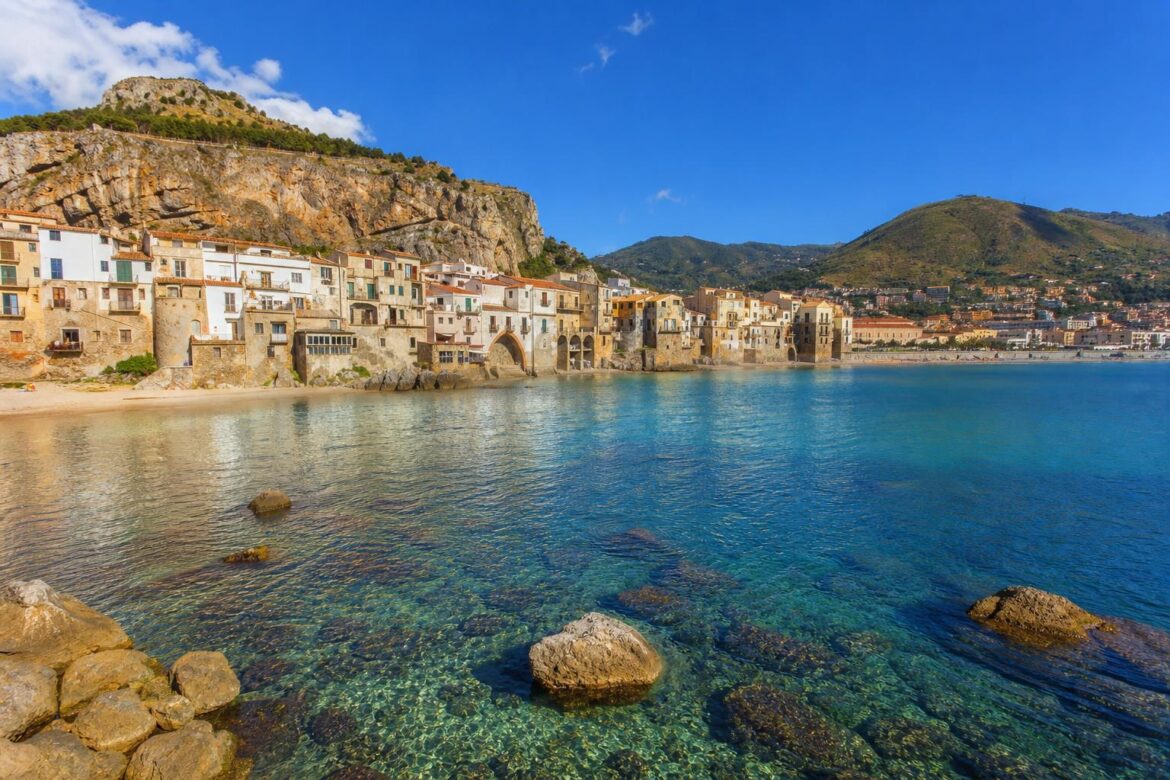
Sicily doesn’t whisper. It sings. It smells like oranges and sea salt, rings with church bells and market hawkers, glows with lava at night and sunlight on Greek columns by day. For Canadian travellers, the island is both familiar and surprising: Mediterranean warmth with Italian flair, but layered with Greek theatres, Arab gardens, Norman cathedrals, and Spanish courtyards. This guide is built to help you plan smarter—when to go, how to get around, where to find the good stuff (and avoid the hassles), plus tips that matter to Canadians, from travel insurance to war history that connects our two countries.
By the end, you’ll know how to plan a week or three, what to eat and where, how to drive without fines, how to ferry to volcano islands, and which experiences are actually worth your euros. We’ll keep it real—no fluff, no clichés, just useful detail and a sense of place.
Sicily at a Glance: Big, Dramatic, and More Varied Than You Think
Italy’s largest region is not a small island; it’s more like a province with coastlines that change character every few hours of driving. Picture a triangle: Palermo on the northwest tip, Catania and Mount Etna on the east, Agrigento and the Valley of the Temples in the south. In between lie mountain parks, citrus valleys, and towns where time seems to stall at golden hour.
The island’s identity is layered. Greeks built theatres that still host summer shows. Arab rulers brought irrigation, citrus, and a gift for gardens. Normans covered churches with gold mosaics. Spanish rule left Baroque towns curling with stone flourishes. Modern Sicily is all of that at once—especially in the architecture and food.
The Regional Puzzle: North, East, South, and West
North coast (Palermo to Messina): Dramatic cliffs and sandy bays, medieval Cefalù with its Norman cathedral, and the UNESCO-listed Arab-Norman route in Palermo and Monreale. Good beaches and street food, lively energy.
East coast (Catania to Taormina and Syracuse): Mount Etna dominates the skyline, with vineyard slopes sprouting some of Italy’s most exciting wines. Taormina’s views are the postcard cliché (for good reason), while Catania’s black-lava streets hum at night. Syracuse’s island of Ortigia is one of Europe’s prettiest historic cores.
South coast (Agrigento, Ragusa, Modica, Noto): Wide beaches, the Valley of the Temples, and theatrical Baroque towns in the Val di Noto. Chocolate tradition in Modica, almond orchards everywhere, and a slower pace that suits long evenings.
West and the islands (Trapani, Marsala, Egadi): Salt pans and windmills, tuna and couscous, proximity to the Egadi islands. San Vito Lo Capo and the Zingaro Reserve offer top-tier hiking-meets-beach days. The wine scene includes Marsala and elegant grillo whites.
Satellite islands: The Aeolian Islands north of Messina are volcanic—Stromboli literally spits lava most nights—and perfect for boat days and easy treks. Ustica is a diver’s favourite; Pantelleria (closer to Tunisia) is rugged and windswept, famous for capers and passito wine.
When to Go: Seasons, Weather, Crowds, and Festivals
You can go year-round, but timing shapes your trip. Summer stretches long here. Shoulder seasons are the sweet spot for most Canadians, especially if you plan to hike or see ruins without baking.
Weather by Season
Spring (March–May): Wildflowers in the hills, almond trees in bloom, markets shifting to spring produce. By late April, beaches become realistic, and crowds still manageable. Ideal for archaeological sites and road trips.
Summer (June–August): Long, bright days. The sea is warm and nightlife spikes, especially in Taormina, Cefalù, and Ortigia. Expect heat waves (Sirocco winds from North Africa) and packed beaches. Book early, including loungers at popular lidos.
Fall (September–November): The water stays warm into October. Grape harvest on Etna and across the island; food festivals pop up. Rain increases in November, but the air stays mild. Great for value and fewer crowds.
Winter (December–February): Quiet, with locals reclaiming cities. Etna and the Madonie mountains can see snow; down on the coast, it’s sweater weather. Many coastal businesses reduce hours, but museums and big-city dining keep going.
Typical Temperatures and Sea Conditions
| Month | Avg High (°C) | Avg Low (°C) | Sea Temp (°C) | Notes |
|---|---|---|---|---|
| January | 14 | 7 | 15 | Quiet, occasional storms; Etna may have snow |
| April | 19 | 11 | 16 | Great for ruins and hikes; early swims possible |
| July | 31+ | 22 | 25 | Peak crowds, book everything |
| October | 24 | 16 | 22 | Warm water, fewer people; some rainfall |
Temperatures vary by microclimate—Etna’s slopes run cooler, inland valleys hotter. For the warmest shoulder-season swims, think late September into early October.
Festivals Worth Planning Around
Sant’Agata (Catania, February): Intense and moving, with candlelit processions and fireworks. The city turns into a pilgrimage route.
Infiorata di Noto (May): Streets become “carpets” of flower mosaics. Charming and photogenic, with a festive buzz.
Taormina Film Festival (June): Screenings in the ancient theatre. The setting alone is worth it.
Festino di Santa Rosalia (Palermo, mid-July): A huge, joyful street festival honouring the city’s patron saint.
Cous Cous Fest (San Vito Lo Capo, September): Chefs from around the Mediterranean celebrate a dish that tells Sicily’s cultural story.
Getting to Sicily from Canada
No nonstop flights from Canada to Sicily are typical, but you can reach Palermo (PMO) or Catania (CTA) with one connection in Europe. Common routings include Toronto or Montreal to Rome, Milan, Frankfurt, Paris, or London; then a short hop to Sicily. In summer, extra seasonal routes appear from European hubs, which can lower prices if you self-connect smartly.
Booking Tips for Canadians
- Mix and match: Sometimes it’s cheaper to book Toronto–Rome return on a major carrier, then a separate ticket Rome–Catania on a low-cost airline. Leave generous layover time and consider checked-bag fees.
- Domestic vs. train-and-ferry: If you love a travel day with a bit of theatre, consider Rome–Naples by high-speed train, then overnight to Sicily with Trenitalia’s train-ferry across the Strait of Messina. It’s slower, but a story you’ll tell.
- Travel documents: Canadians can enter Italy visa-free for short tourism stays within the Schengen Area’s 90/180-day rule. The EU’s ETIAS travel authorization for visa-exempt visitors is expected to apply; timing and details can change. Check the Government of Canada travel page and official EU sources before you book.
- Insurance: Provincial health plans don’t cover out-of-country care the way you might expect. Buy travel medical insurance with emergency coverage, and consider trip interruption for weather or strikes.
Moving Around Sicily: Car, Train, Bus, and Boats
Sicily rewards travellers who slow down. Distances on the map look short; in reality, coast-hugging roads, single-track rail, and mountain detours make trips longer than you might guess. Plan fewer bases and explore from each.
Renting a Car: Freedom with a Few Strings
The car unlocks beach coves, hill towns, and wineries that public transit doesn’t reach efficiently. Manual transmission is the default. If you need automatic, reserve early. The International Driving Permit (IDP) is recommended and often required alongside your valid Canadian licence; get it easily through CAA before you go.
Key rules and realities:
- ZTL zones: Historic centres in cities like Palermo, Catania, Syracuse, and Taormina have Restricted Traffic Zones. Cameras snap plates. Enter without permission and you’ll get a fine mailed through your rental company weeks later. Park outside and walk or use local transit.
- Speed cameras: “Autovelox” are frequent. Urban limits hover around 50 km/h, outside towns 70–90 km/h, and on highways 110–130 km/h (signs rule). Fines can be automated.
- Tolls: The A20 (Palermo–Messina) and A18 (Messina–Catania and onward towards Catania–Siracusa) have toll sections. Keep a credit card or cash handy at booths.
- Parking lines: White = free (where signed), blue = paid, yellow = reserved. In beach towns, seasonal lots pop up; keep the ticket visible.
- Fuel: Stations may close midday or Sunday in rural areas. Self-service pumps often require chip-and-PIN cards and can be finicky with foreign cards. Keep some cash.
- Alcohol: Italy’s legal blood alcohol limit is generally 0.5 g/L (lower for novice drivers). Don’t drink and drive; enforcement is serious, and it’s not worth the risk.
Break-ins do happen in touristy car parks. Leave nothing visible, not even chargers. Choose secure lots when available.
Trains and Buses: Good for Cities and Straightforward Routes
Trenitalia covers the island with regional trains. Routes like Palermo–Cefalù and Catania–Taormina–Messina are handy; Palermo–Catania is improving but can be slower than expected due to upgrades. For some inland or south-coast routes, buses are faster or more frequent—look for companies like SAIS, Interbus, and AST. Buy train tickets online or at stations and validate paper tickets before boarding (yellow or green machines on platforms).
Ferries and Hydrofoils: Open-Water Shortcuts
Hydrofoils (“aliscafi”) reach the Aeolian Islands from Milazzo and Messina, Ustica from Palermo, and the Egadi from Trapani. Liberty Lines and Siremar are the main companies. In summer, book ahead. Yes, trains from mainland Italy still roll onto a ferry across the Strait of Messina—a quirky bit of rail history you can ride.
Top Experiences in Sicily: What’s Worth Your Time
Sicily is rich enough to match almost any interest: archaeology, volcanic hikes, beach days, wine, and cities that hum late into the night.
Ancient Sicily: Greek Theatres and Roman Mosaics
Valley of the Temples (Agrigento): A ridge lined with Doric temples watching the sea. Go late afternoon for shade and a sunset that turns columns honey-gold. The onsite Kolymbethra Garden is a sweet-smelling detour.
Syracuse and Ortigia: Greek Syracuse rivalled Athens. Visit the Neapolis Archaeological Park with its Greek theatre and the Ear of Dionysius cave. Then wander Ortigia’s lanes, the Piazza Duomo’s limestone gleaming like bone in the sun, and the waterfront market in the morning.
Segesta and Selinunte (west): Segesta’s solitary temple captures Sicily’s light like few places. Selinunte sprawls by the sea, part ruin, part reconstructed temple, with salty wind and space to wander.
Villa Romana del Casale (near Piazza Armerina): A countryside Roman villa with some of the world’s best mosaics—hunting scenes, the famous “bikini girls,” and rooms that read like a graphic novel in stone.
Volcanoes and Nature: Etna, Stromboli, and Wild Reserves
Mount Etna: Europe’s most active volcano is a living landscape—black lava deserts, birch groves, vineyards on ash soil. You can drive to Rifugio Sapienza on the south side, ride the cable car and 4×4 trucks higher, and hike with authorized guides in upper zones (rules change with activity; local guides know what’s open). Pack layers: it’s chilly even in July up high, and footwear with grip is a must.
Stromboli (Aeolian Islands): Night hikes with a guide to viewpoints above the Sciara del Fuoco let you watch red fountains of lava against dark sea. If the summit is off-limits due to activity, boat tours to the lava slope at dusk are still magic.
Zingaro Nature Reserve: Between San Vito Lo Capo and Scopello on the northwest, this car-free coastal park stitches together coves of clear water with a cliff path. Bring water, a hat, and reef-safe sunscreen; there’s no shade beyond the odd palm.
Vendicari Reserve (near Noto): Salt pans, watchtowers, and long beaches with flamingo sightings in season. A quieter alternative to crowded strands.
Alcantara Gorges: Cool basalt canyons with wadeable waters; welcome relief on hot days. Wear water shoes—the pebbles are slick.
Cities and Towns: Layers of Style and Story
Palermo: Chaotic, beautiful, theatrical. Hunt for the gold mosaics in the Palatine Chapel, admire the Quattro Canti crossroads, and head to the Capo or Ballarò markets for panelle and fruit that smells like sun. Monreale, just up the hill, has a cathedral whose mosaics unfurl like a medieval comic strip, ceiling to floor.
Catania: Black stone and baroque swagger under Etna’s presence. People are out late along Via Etnea and Piazza Duomo. Eat pasta alla Norma and try street stalls that grill swordfish at midnight. The fish market is a show—arrive early.
Taormina: Crowded, yes. Unforgettable, also yes. The Greek-Roman theatre frames Etna with the sea below, and the town’s lanes are a parade of balconies and wisteria in spring. Make time for nearby Isola Bella, best early or late.
Cefalù: A beach town with a Norman cathedral that glows at dusk. Climb La Rocca for views and a salty breeze, then swim to rinse the sweat.
Baroque southeast (Noto, Modica, Ragusa Ibla, Scicli): Honey-coloured facades and staircases that pour down hills. Evenings feel cinematic when the stones hold the day’s heat and the gelato tastes like pistachio trees from Bronte.
Beaches: Free Sand or Lido Life
Sicily’s coasts alternate between pebbly coves, cliff-backed pockets of sand, and long, family-friendly strands. Two beach styles rule:
- Spiaggia libera (free beach): Bring your towel and umbrella. No services. Great if you’re ready to DIY shade and snacks.
- Lido (private concession): Pay for loungers and umbrellas, and you get shade, change rooms, showers, lifeguards, and a café. Prices range widely; expect to pay more in July–August and in hotspots like Taormina or San Vito Lo Capo.
Swimming notes: Jellyfish can drift in during heat waves. Rinse stings with seawater (not fresh), remove tentacles with a card or tweezers, and apply heat if you can—warm compresses soothe. Lifeguards (“bagnini”) at lidos can help.
Sicilian Food and Wine: What to Eat, Drink, and Learn
Food in Sicily is geography on a plate: volcano tomatoes, coastal tuna, mountain sheep milk, citrus orchards, almonds, pistachios, capers. Arab influences show in couscous and raisins in savoury dishes; Spanish in chocolate-making and sweets. It’s a place where breakfast can be dessert, and dessert can be breakfast without anyone blinking.
Essential Bites
- Arancini/arancine: Stuffed, fried rice balls. In the east (Catania), you’ll hear “arancini”; around Palermo, “arancine.” Fillings range from ragu and peas to pistachio, mushroom, or butter and ham.
- Pane e panelle: Chickpea fritter sandwiches in Palermo. Add crocchè (potato croquettes) and a squeeze of lemon, and you’ve joined the club.
- Pani ca meusa: A Palermo classic—spleen and lung with caciocavallo cheese. It’s not for everyone, but it is the city on a bun.
- Pasta alla Norma: Catania’s pride—eggplant, tomato, basil, ricotta salata. When the ricotta salata is right, it sings.
- Couscous di pesce: From Trapani, a North African echo done with Sicilian fish broth.
- Granita with brioche: Summer breakfast in the east. Almond, pistachio, lemon, or coffee flavours. Dip the brioche. Yes, at 8 a.m.
- Cannoli and cassata: Ricotta-sweet, often with candied fruit or chocolate. Cannoli shells should crack like thin ice.
- Chocolate of Modica: Coarse, grainy texture from a cold-tempering method rooted in Spanish-era techniques.
Wines and Drinks
Etna DOC reds (mostly Nerello Mascalese and Nerello Cappuccio) taste like red berries dusted with smoke. Whites on Etna lean mineral and citrus. Nero d’Avola runs from plush fruit to structured savoury, while Frappato is light, floral, and chillable. Cerasuolo di Vittoria is Sicily’s lone DOCG, blending Nero d’Avola and Frappato—joyful with grilled tuna or swordfish. Marsala is more than a cooking wine; seek dry styles from good producers. Pantelleria’s Passito (Zibibbo grapes dried in sun) is dessert in a glass, but balanced when made well. For non-alcoholic, try chinotto or gazzosa sodas and fresh-squeezed orange juice in winter citrus season.
How Dining Works
Coperto: Many restaurants add a small per-person cover charge for bread and table service. It’s not a scam; it’s normal. Tipping is not a must, but rounding up or leaving small change is appreciated in sit-down places.
Meal times: Lunch 1–3 p.m., dinner rarely before 8 p.m. Many places close mid-afternoon. Street food and bars bridge the gap. Espresso is an all-day affair; locals usually avoid cappuccino after late morning, but you won’t be judged as a visitor.
Reservations: In summer or in small towns, book the day before. Ask for outdoor seating if that matters to you; mosquitoes appear at dusk near water, so bring repellent.
Canadian Connections: War History, Etiquette, and Practical Similarities
Operation Husky (1943) was the Allied invasion of Sicily in WWII. Canadians fought hard across the center and east of the island. The Agira Canadian War Cemetery holds the graves of more than 400 Canadians; it’s a quiet, moving site. Catania and Syracuse also have Commonwealth cemeteries. If you have family history tied to the Italian Campaign, Sicily is where many of those stories begin.
Etiquette feels familiar: queues are looser than in Canada, but politeness travels well. A few Italian phrases make a difference. Dress codes lean casual-smart in cities at night—no need for formalwear, but beachwear belongs at the beach.
Language Tips
Italian is the official language; Sicilian is a distinct regional language you’ll hear in markets and at home. Basic phrases go far:
- Buongiorno / Buonasera – Good morning / Good evening
- Per favore / Grazie – Please / Thank you
- Il conto, per favore – The bill, please
- Dov’è…? – Where is…?
- Acqua naturale / frizzante – Still / sparkling water
Sample Itineraries: One Week, Ten Days, Two Weeks
Choose two or three bases. Unpack less, see more. If you love cities, pick Palermo and Catania/Taormina. If you’re into ruins and beaches, add the south. Island time? Squeeze in the Aeolians.
7 Days: Highlights Without Rushing
- Days 1–3: Palermo base. Explore the Palatine Chapel, Monreale, Ballarò market, and day trip to Cefalù or Segesta. Eat street food and book one refined dinner.
- Days 4–7: Move to Taormina or Catania. See the Greek theatre, swim at Isola Bella, wander Catania’s fish market. Spend a day on Mount Etna with a guide and a vineyard lunch.
10 Days: Add the Southeast or the West
- Days 1–3: Palermo base. Day trip to Zingaro and Scopello if you want a hike-and-swim day.
- Days 4–6: Agrigento and the Valley of the Temples, then continue to Ragusa or Modica. Evenings in baroque lanes, day trip to Noto and a swim at Vendicari.
- Days 7–10: Catania/Taormina base for Etna and coastal time. Optional quick hop to the Aeolian Islands (Lipari or Vulcano) for a night if ferries align.
14 Days: Road Trip with Islands
- Days 1–3: Palermo and Monreale, then west to Trapani salt pans and Erice by cable car. Boat to the Egadi (Favignana) for bicycles and coves.
- Days 4–5: Selinunte or Sciacca, then Agrigento for the temples at sunset.
- Days 6–8: Baroque triangle—Ragusa Ibla, Modica, Noto, plus Vendicari beaches.
- Days 9–11: Syracuse/Ortigia base. Neapolis park in Syracuse, slow evenings by the water.
- Days 12–14: Catania/Taormina and Etna day. If you crave a capstone, catch a hydrofoil to Stromboli for one night and watch the volcano breathe fire after dark.
Practicalities That Save You Time and Money
Money, Cards, and Costs
Currency is the euro. ATMs (“bancomat”) are widespread. Your Canadian bank may charge foreign transaction and ATM fees; consider a card with waived FX fees. Decline dynamic currency conversion if a terminal offers to charge you in CAD—choose EUR for a better rate.
Rough, honest price ranges (season and location swing things):
| Item | Typical Range (EUR) | Notes |
|---|---|---|
| Coffee at bar counter | 1.20–2.00 | Standing costs less than table service |
| Glass of local wine | 4–7 | More in tourist hotspots |
| Street food snack | 2–6 | Arancino, panelle, sfincione |
| Sit-down dinner (per person) | 18–40 | Starter, pasta, and wine in a mid-range spot |
| Lido set (2 chairs + umbrella) | 15–40 | Higher in July–Aug/prime beaches |
| Car rental (per day) | 30–90 | Manual lower; summer and automatics higher |
| Museum/site entry | 6–18 | Major sites at upper end |
Expect a tourist tax (“tassa di soggiorno”) per person, per night in most municipalities, collected by your accommodation in cash or card.
Health, Safety, and Common-Sense Tips
Emergency number: 112. Pharmacies (farmacie) show a green cross and can advise on minor issues; for serious matters, go to an emergency department (Pronto Soccorso). Tap water is generally safe but can taste mineral-heavy; locals often drink bottled. Summer heat is real—carry water, take shade breaks, and salt your food a little more than usual.
Crime is mostly petty: pickpocketing in crowded buses/markets and car break-ins at tourist car parks. Keep valuables close, lock the car, and be discreet with jewellery and cameras in packed areas. Solo travellers, including women, visit Sicily with few issues; usual urban awareness applies at night.
Connectivity and Power
SIM cards are available from TIM, Vodafone, WindTre, and Iliad stores; bring your passport. eSIMs are increasingly common. EU data is fast in cities, patchier in rural pockets. Electricity is 230V; plugs are mostly Type C, F, and L. Many Canadian appliances are dual-voltage; check your charger. Otherwise, you’ll need a voltage converter, not just a plug adapter.
Accessibility
Historic centres have cobbles and stairs. Trains often have a step up; Trenitalia’s Sala Blu service can arrange assistance for travellers with reduced mobility—book in advance. Major sites like the Valley of the Temples have shuttle options and accessible paths; check specifics before you go to pick the right entrance.
Beach and Nature Etiquette
Do not take lava rocks or archaeological fragments—fines can be steep, and it’s simply wrong. Use reef-safe sunscreen in marine reserves, pack out litter, and leave shells and sea glass behind. Fires on beaches are generally prohibited. Some municipalities restrict smoking on beaches; signage or lido staff will clarify.
Driving Deep-Dive for Canadians: Avoiding Fines and Frustration
Italy’s road rules align with Canadian common sense, but enforcement is camera-heavy. Before you go, grab an IDP from CAA and learn the signs for ZTLs and parking zones. Download offline maps; tunnels can mess with GPS.
City Centers and ZTLs
Palermo’s centre, Siracusa’s Ortigia, Taormina, and parts of Catania all run ZTLs. Hotels inside ZTLs can sometimes register your plate for permitted access at set times—ask in advance. Otherwise, park outside and walk in. Cameras don’t care that you “were just circling.”
Child Seats and Seatbelts
Seatbelts are mandatory. Children must use appropriate car seats according to height/age; rental agencies can supply them but bring your own if you prefer known gear. If travelling as a separated/divorced parent, carry a consent letter for minors to avoid questions at borders—this is standard Canadian travel advice.
Fuel, Fines, and Insurance
Choose full-to-full fuel policies and photograph the car on pickup/return. Minor dings happen on narrow streets; super CDW coverage can be worth it for peace of mind. If you receive a fine, rental companies will charge an admin fee to share your details with authorities; the official fine then follows by mail. Pay promptly to benefit from reduced early-payment rates.
Beaches and the Sea: Choosing Your Coast
North: Cefalù’s town beach is easy, with services and a pretty backdrop. Further east, Sant’Ambrogio and the coast towards Tindari bring quieter coves.
East: Isola Bella’s cove below Taormina is gorgeous but crowded; go early. South of Catania, the long sands near Fontane Bianche and the Vendicari Reserve feel more spacious.
South: Scala dei Turchi near Realmonte once allowed beach access beneath the white cliff; erosion protections change access rules periodically—check current guidance and respect closures.
West: San Vito Lo Capo is a crescent of shallow, clear water with mountain views—popular with families. The Egadi islands (Favignana, Levanzo, Marettimo) are boat-and-bike paradises with water that looks Photoshopped.
Wine and Food Experiences: Markets, Lessons, and Vineyard Days
Markets: Palermo’s Capo and Ballarò, Catania’s fish market, and Ortigia’s morning stalls are musts. Go hungry. Buy almonds, capers, candied oranges, and sun-dried tomatoes to bring home (Canada has restrictions on meat, fresh produce, and dairy—declare food items, keep them sealed and labelled, and check the Canadian Food Inspection Agency guidance before packing).
Cooking classes: From arancini to cannoli, classes can be a fun rainy-day plan. Look for small-group formats with a market visit.
Wineries: Etna’s north slope (the “versante nord”) around Randazzo hosts serious tastings; book ahead. In the west, sip grillo and catarratto whites near Marsala or sea-facing vineyards around Menfi.
Sustainability and Ethical Travel: Make Your Euros Count
Sicily has an active anti-mafia civil movement. Businesses associated with Addiopizzo publicly refuse to pay protection money; spending there supports change. Ask your hotel or guide for current recommendations in Palermo and Catania. Choose agriturismi and family-run spots where your euros stay local.
On trails and reserves, stick to paths. Don’t fly drones without checking ENAC (Italian civil aviation) rules and local restrictions—many parks and archaeological sites prohibit them.
Where to Stay: Matching Neighbourhood to Trip Style
Palermo: Politeama/Libertà for quieter nights and easy airport bus access; Kalsa or near Teatro Massimo for atmosphere. Street life is lively deep into the evening in high season.
Catania: Around Via Etnea places you near cafés and shops; the area by the Benedictine Monastery is atmospheric. If you want sea views, consider the Aci Castello/Aci Trezza area just north, then bus in.
Taormina: You pay for views and convenience. If budgets pinch, stay in Giardini Naxos below and ride the bus up.
Ortigia (Syracuse): Romantic and walkable. Parking is limited; book a spot or plan to leave the car on the mainland side.
Rural stays: Agriturismi (farm stays) and countryside B&Bs near Noto, Modica, Ragusa, or on Etna’s slopes give room to breathe, great breakfasts, and starry skies.
Remote Work and Longer Stays
The Schengen Area allows Canadians visa-free stays up to 90 days in any 180-day window; count carefully if you’re bouncing around Europe. Italy has discussed and introduced a digital nomad visa framework for certain highly skilled non-EU nationals; requirements include sufficient income, health insurance, and clean records. If you plan to work from Sicily longer term, consult the nearest Italian consulate for current, official requirements and don’t rely on hearsay.
For apartments, monthly rentals are easiest outside July–August. Reliable internet is common in cities and larger towns; rural speeds vary. Be mindful of neighbour noise expectations—narrow streets carry sound late at night.
War History Trail: Following Canada’s Footsteps
Start in Catania with context from museums and local plaques, then drive inland to Agira. The Canadian War Cemetery is quiet and immaculately kept. Towns like Leonforte and Assoro witnessed heavy fighting; local historical societies sometimes host small exhibits or memorials. Respect sites and ceremonies; this is living memory for many families on both sides of the ocean.
Safety on Volcanoes and at Sea
Volcano rules change with activity. Upper Etna zones often require guides; heed closures and weather. Wear proper shoes, carry water, and expect rapid temperature swings. On Stromboli, guide-led night hikes maximize safety; if trails close, choose boat tours at dusk to view eruptions from the water.
Boating: Always check marine forecasts; wind shifts quickly. On small rental boats in bays, staff will brief you on no-go zones. In marine reserves, speed limits and anchoring rules protect seagrass—fines apply.
Making Sense of Sicily’s Scale: Drive Times That Feel Right
| Route | Typical Drive Time | Notes |
|---|---|---|
| Palermo to Cefalù | 1–1.5 hours | Coastal, tolls on A20 |
| Palermo to Trapani | 1.5–2 hours | Easy day trip or overnight for Egadi |
| Palermo to Agrigento | 2–2.5 hours | Plan arrival late afternoon for sunset at temples |
| Taormina to Catania | 1–1.5 hours | Traffic can add time in summer |
| Catania to Syracuse (Ortigia) | 1–1.5 hours | Good highway, seasonal bottlenecks |
| Ragusa to Noto | 1–1.5 hours | Scenic, winding |
Don’t plan more than two moves a week unless you love repacking. Sicily is better when you sink into a place for a few nights.
What to Pack (and What to Skip)
- Footwear with grip for cobbles and volcanic gravel.
- Light layers, a sun hat, and a real water bottle you’ll refill constantly.
- Swim shoes for pebbly coves.
- Universal plug adapter; check your devices are dual-voltage.
- Copies of documents: passport, IDP, insurance, and bookings.
- For shoulder seasons: a compact rain jacket; for Etna: a warm layer even in summer.
- Skip: Excessive cash (ATMs are common), heavy jackets in summer, and too many dressy outfits—smart-casual rules the night.
Real Talk: Common Mistakes and How to Avoid Them
- Overstuffed itineraries: Three cities in seven days? You’ll spend it on highways. Pick fewer bases.
- Driving into ZTLs: The fine arrives months later and ruins the memory. Park outside and walk.
- Underestimating heat: Midday ruins in July are a slog. Go early, nap after lunch, beach at 4 p.m., dinner at 9.
- Skipping reservations: For Etna tours, island ferries in August, and top restaurants—book.
- Assuming English everywhere: You’ll get by in tourist centres, but a few Italian phrases buy goodwill.
Budget Planning for a Week in Sicily (Two People)
| Category | Budget | Comfort | Notes |
|---|---|---|---|
| Accommodation (7 nights) | €420–700 | €900–1,750 | City vs. coast, season sensitive |
| Food & drink | €280–420 | €490–840 | Mix of street food and sit-down meals |
| Transport (car + fuel/tolls or trains) | €200–450 | €300–600 | Automatics and August spike prices |
| Activities/entries | €100–200 | €200–400 | Guided Etna hikes/wine tastings add cost |
| Miscellaneous | €80–150 | €150–250 | Lido days, souvenirs, gelato emergencies |
Convert to CAD with your card’s rate and fees in mind. For a mid-range week, many Canadian couples spend roughly the cost of a domestic summer getaway—just with cannoli.
Logistics to Double-Check Before You Fly
- Passport validity (ideally 3+ months beyond return, as airlines often require).
- Travel insurance details and emergency numbers.
- ETIAS status and Schengen entry rules for Canadians.
- International Driving Permit (IDP) if renting a car.
- Accommodation city tax payment method (cash or card).
- Any special site closures (Etna zones, Scala dei Turchi access, museum strike days).
Neighbourhood Food Maps: Quick, Real Suggestions
Palermo: Street food clusters around Ballarò and Vucciria at night, but try side streets one or two blocks away for better quality and fewer stalls pushing novelty items. For sit-down, look near Teatro Massimo and in the Kalsa.
Catania: Via Plebiscito hosts a long row of grills that ignite at night—rustic, meat-heavy, with swordfish steaks sizzling alongside sausages. Around the fish market at noon, try raw marinated anchovies, caponata, and grilled calamari with lemon.
Ortigia: Morning market for sandwiches piled with ricotta, sun-dried tomatoes, and olives. Evenings along Via Cavour and the side alleys reveal trattorie with seasonal menus. Ask what’s “oggi” (today’s special) and follow the server’s lead.
Taormina: The main drag is busy and pricey; go two streets up or down to find kitchens cooking for locals working in town.
Family Travel: Sicily with Kids
Children are welcomed everywhere. Lidos provide shade and bathrooms, archaeological parks are open spaces to explore, and gelato works as currency for good behaviour. Book apartments with kitchens to control mealtimes. Remember child-seat rules for driving. Many museums allow strollers, but cobbles challenge small wheels—bring a carrier for tight alleys and steps.
LGBTQ+ Travellers
Italy recognizes same-sex civil unions; Sicily’s big cities are increasingly open, with Palermo leading in events and activism. Public affection is common among friends across genders (Mediterranean style), so social signals can be different from Canada. Nightlife is lively in Palermo and Catania; check current listings. As always, situational awareness matters in smaller, conservative towns late at night.
What Changes Day to Day: Closures, Strikes, and Weather
Italy runs on rhythm: some museums close on Mondays, many shops shut for riposo mid-afternoon, and transport strikes are usually announced in advance. Weather shifts quickly on Etna and at sea—leave flexibility in your plan. You’ll enjoy Sicily more if you treat time like taffy, not a ruler.
FAQs about Sicily for Canadian Travellers
What’s the best time to visit Sicily?
Late April to early June and mid-September to late October balance warm weather, swimmable seas, and lighter crowds. July and August are beach-perfect but busy and hot.
Do Canadians need a visa to visit Sicily?
For short tourism stays, Canadians can enter Italy visa-free under Schengen’s 90/180-day rule. The EU is rolling out ETIAS travel authorization for visa-exempt visitors; verify current requirements with the Government of Canada and official EU sources before departure.
Is Sicily safe?
Yes, with the usual big-city precautions. Watch for pickpockets in crowded areas and don’t leave bags in parked cars. Nightlife districts in Palermo and Catania are lively late; stick to lit streets and avoid obvious intoxication.
Should I rent a car or rely on trains and buses?
If you want coves, hill towns, and countryside wineries, rent a car. For a city-focused trip (Palermo, Cefalù, Syracuse/Ortigia, Taormina) you can do fine with trains and buses and the odd taxi.
How much does a trip to Sicily cost compared to mainland Italy?
Generally a bit less than hotspots like the Amalfi Coast or Venice, especially for food and mid-range stays. Summer lido prices and automatics for car rentals can close the gap. Shoulder seasons are the value sweet spot.
Can I hike to the summit of Mount Etna?
Access to upper zones depends on volcanic activity and safety rules, which change. Typically, you’ll need an authorized guide above certain elevations. Check locally in Catania or Rifugio Sapienza for current restrictions.
What’s the tipping culture?
No North American-style tipping. Expect a small “coperto” on bills. Round up or leave a few euros for great service. At cafés, leave coins. Taxis don’t expect tips, but rounding up is normal.
Is the tap water safe?
Generally, yes—though mineral content can affect taste. In rural areas and older buildings, locals often drink bottled water. Ask your host what they use.
What about driving fines from ZTLs and speed cameras?
They’re real. ZTL cameras don’t forgive tourists. Learn where zones are and park outside. Speed cameras enforce limits consistently; follow the signs and navigation alerts.
Where are the best beaches for families?
San Vito Lo Capo (shallow water), Mondello near Palermo (lidos galore), Fontane Bianche near Syracuse, and several Vendicari beaches on calm days. Choose lidos for shade and lifeguards.
Can I bring food back to Canada?
Packaged, shelf-stable items like chocolate, dried pasta, and sealed sweets are usually fine. Meat, fresh dairy, and fresh produce are restricted. Declare all food items and check the latest CFIA guidance before you shop.
How do I avoid crowds in Taormina?
Arrive early, book the first entry to the Greek theatre, and plan siesta time. Stay in Giardini Naxos or Letojanni and visit Taormina outside midday peak hours.
Are there any must-see sites for Canadian military history?
Yes: the Agira Canadian War Cemetery in central Sicily, plus Commonwealth cemeteries in Catania and Syracuse. Towns like Leonforte and Assoro also hold memorials tied to the 1943 campaign.
What’s the local time zone and power standard?
Central European Time (CET), with daylight saving. Power is 230V, 50Hz; plugs are Type C/F/L. Bring a compatible adapter and check your devices are dual-voltage.
Do I need reservations for wineries and restaurants?
For wineries, yes—especially on Etna and in harvest season. For popular restaurants in summer and weekend nights year-round, book a day in advance.
Final Thought: Sicily Rewards the Curious
Sicily isn’t a checklist; it’s a mood. It’s a late-night stroll where someone hands you a slice of sfincione and refuses your money because you’re clearly enjoying yourself. It’s a volcano’s shadow on breakfast and golden ruins at sunset. Plan the bones of your trip—seasons, bases, a few must-dos—and leave space for detours. The island fills the gaps better than any itinerary ever could.