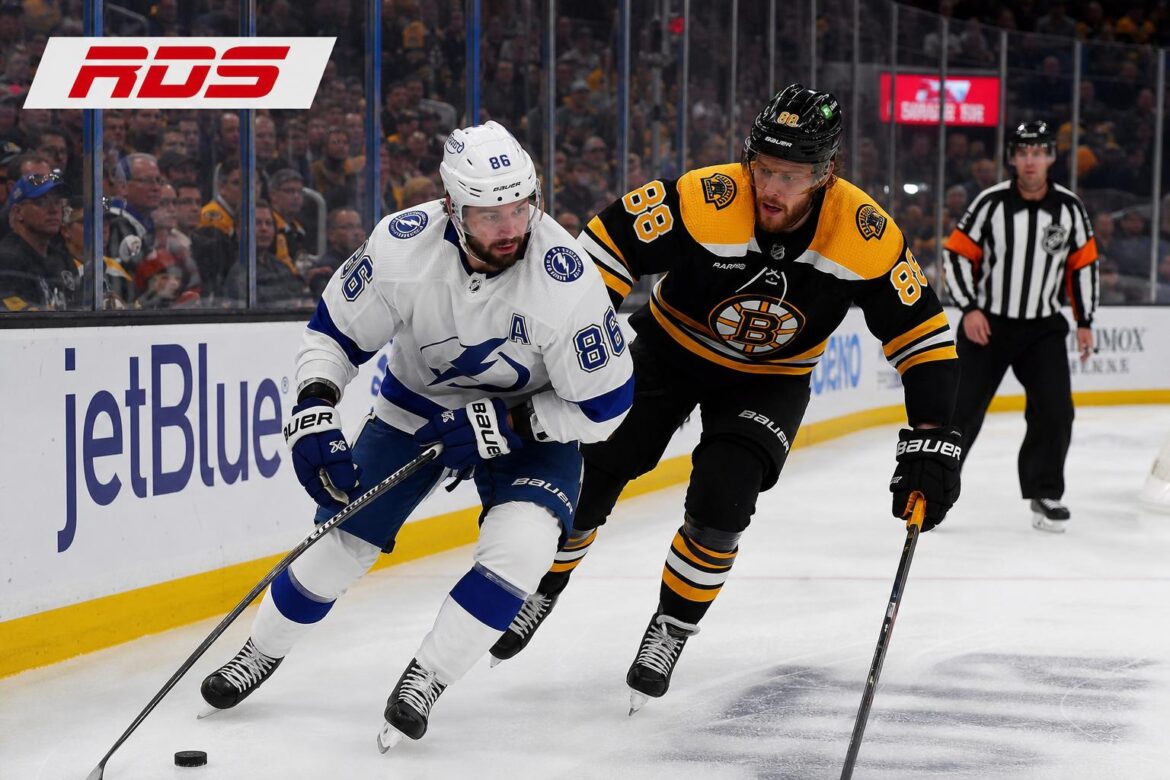
If you live in Canada and want your hockey delivered in French—with smart analysis, an unmistakable Montreal flavour, and the kind of cadence that makes a goal call climb the walls—chances are you’re searching for RDS hockey. This guide is built to cut through the noise. You’ll learn exactly what “RDS hockey” means today, how regional rights and blackouts actually work, the best legal ways to watch at home or on the go, and what to do when a game you expected to see isn’t available. We’ll also cover schedules, streaming, cost-saving tactics, tech setup tips, and how RDS stacks up against TVA Sports and English-language options. Let’s make this simple, practical, and Canadian to the bone.
What “RDS hockey” Really Means in 2026
First, clarity. RDS (Réseau des sports) is a French-language sports network owned by Bell Media, and for decades it has been synonymous with hockey in Quebec and for Francophone fans across the country. When people say “rds hockey,” they’re usually referring to live NHL game broadcasts in French on RDS, plus the pre-game, intermission, and post-game analysis shows that orbit those games.
But the NHL’s broadcast landscape in Canada changed dramatically in the mid-2010s. National French-language broadcast rights moved to a different network, while RDS retained key regional rights. That’s the crucial bit: RDS still carries regional French-language NHL broadcasts—for instance, regular-season games involving the Montreal Canadiens in their defined regional territory. RDS also offers extensive studio coverage, analysis, and magazine shows devoted to the Canadiens, along with other hockey programming and international tournaments.
In practical terms, here’s what that means for you as a viewer:
- Many Canadiens regular-season games air on RDS within the team’s NHL-defined French-language broadcast region.
- French-language national NHL broadcasts (including most playoff coverage) are carried by another network. RDS complements that with analysis shows, news updates, and highlights in French.
- RDS remains a go-to destination for French coverage of major international hockey events, including the IIHF World Junior Championship, through its connection to TSN’s rights portfolio.
So “rds hockey” today is a mix of live regional NHL games, especially for the Canadiens, plus deep analysis and a slate of hockey-first studio shows that Québec audiences have grown up with.
How to Watch RDS Hockey in Canada
There are three straightforward ways to watch RDS hockey, each with different strengths: traditional TV (cable, satellite, or IPTV), the RDS Direct streaming service, and authenticated streaming via your TV provider’s app. The right choice depends on where you live, your budget, and whether you want to cut the cord entirely.
Option 1: Cable, Satellite, or IPTV (Bell, Vidéotron, TELUS, Rogers, Shaw Direct, and Others)
The most familiar route is still the most reliable: subscribe to a TV package that includes RDS. In Quebec, RDS is commonly bundled with French-language or sports tiers from major providers such as Bell, Vidéotron, TELUS, and others. Outside Quebec, RDS is often available as an add-on in French or multicultural packages. If you want maximum channel stability and the fewest headaches with streams, this path remains rock solid.
What to check before you order:
- Confirm that your package includes RDS, and ask whether RDS2 and RDS Info are also included. Some hockey coverage and shoulder programming move across these channels.
- Ask about HD access by default. Most providers deliver RDS in HD, which you’ll want for hockey.
- If you’re a Canadiens fan, verify whether you’re inside the NHL-defined regional broadcast territory. This determines which games you’ll see regionally on RDS.
Pros: zero buffering, a familiar remote, PVR for recording games and post-game shows, and usually the simplest path for households that already have bundled Internet and TV. The catch is price flexibility; you pay for the broader TV package, not just for a single channel.
Option 2: RDS Direct (Standalone Streaming, No Traditional TV Required)
RDS Direct is the network’s own subscription streaming service. If you don’t want a traditional TV bundle, this is your legal, straightforward way to get RDS on phones, tablets, computers, and supported TVs in Canada.
What to know up front:
- RDS Direct is only available in Canada. The service is geo-restricted. If you travel abroad, expected roadblocks apply.
- Regional NHL blackouts still apply on RDS Direct. It’s the same game-rights system as TV. Being a streamer doesn’t exempt you from regional restrictions.
- Subscriptions are offered on flexible terms (for example, monthly or longer passes). Prices and promos change; always confirm the current rate on the official site before you sign up.
- Devices typically include iOS/Android (smartphones and tablets), modern browsers on PC/Mac, Apple TV, Android TV/Google TV, Amazon Fire TV, and Chromecast. Device support can evolve, so verify compatibility for your exact model and OS version.
Pros: no set-top box, fast sign-up, easy cancellation when the season winds down, and a clean interface. The trade-off: you must be comfortable with streaming tech and a stable Internet connection.
Option 3: Your Provider’s App (Authenticated Streaming)
If you already pay for RDS through a TV provider, check whether you can stream RDS with your provider’s app at no extra cost. Bell Fibe TV, Vidéotron Helix, TELUS TV+ and other provider apps often let you watch live channels you pay for on multiple devices, including away from home. This is great for catching puck drop when you’re at a friend’s place or on the train.
Remember: the same regional rules apply. If a particular RDS hockey game is restricted in your location, that blackout follows you on a provider app as well.
Blackouts and Territories: Why Some RDS Hockey Games Aren’t Available
Nothing frustrates a fan like planning a night around a game and getting a blackout notice. Here’s the short, honest explanation: NHL media rights in Canada are split between “national” and “regional.” National rights allow a broadcaster to show a game across the entire country. Regional rights are carved out team-by-team and limited to a defined geographical territory. RDS holds regional French-language rights for certain NHL teams (notably the Montreal Canadiens). If you’re inside the team’s French-language territory, you’ll see those regional broadcasts on RDS. If you’re outside it, you won’t.
How the territory is determined: it’s not arbitrary. The NHL defines each team’s regional footprint using established boundaries. In practice, providers check your postal code, IP address, and/or billing address to decide which feed you’re allowed to watch. These rules apply equally whether you watch via cable, a provider app, or RDS Direct. If you move, your allowed feeds may change.
Common real-life scenarios across Canada:
- Montréal or Québec City: You’re typically inside the Canadiens’ French-language regional territory. Expect a large slate of regular-season Habs games on RDS, plus French studio shows before and after.
- Ottawa–Gatineau: Territory boundaries are complex here, given overlapping fan bases and regional rights. Some games may air regionally on RDS and others may not. Your exact postal code often decides it.
- Atlantic Canada: French-language access may vary by province and provider for regional Habs games. Check availability with your provider using your exact address; don’t rely on assumptions.
- Toronto or Western Canada: You may be outside the Canadiens’ French regional footprint. You can still watch RDS programming and analysis shows, but certain live Habs games on RDS will be blacked out for you.
What about playoffs? In French, national playoff rights reside with a different network, not RDS. That’s why, when the stakes rise, RDS generally pivots to coverage and analysis rather than game broadcasts. Expect deep post-game shows, interviews, and breakdowns, even when the games themselves are elsewhere.
What You Actually Get on an RDS Hockey Night
Good broadcasts are more than camera angles and whistles. RDS hockey telecasts have a distinctive rhythm, anchored by veteran play-by-play voices and analysts who know the Canadiens intimately. The commentary is fast, but not rushed; emotional when it needs to be; and comfortable shifting between tactics and storylines without getting lost in the weeds.
Expect these staples:
- Play-by-play and colour commentary tailored to a Francophone audience, with hockey terminology that’s familiar in Quebec arenas and living rooms alike.
- Pre-game shows that frame the strategic matchups—line juggling, special teams, who’s cold, who’s on a heater—and post-game panels that aren’t afraid to debate ideas or challenge bad habits.
- Regular analysis features explaining why a neutral-zone regroup worked or how a penalty kill got stretched. Less noise, more insight.
- Coverage that blends the micro (faceoff tactics, net-front battles) with the macro (schedule congestion, travel quirks, playoff positioning, player development trends).
Fans also value the sense of continuity. Familiar hosts and analysts carry the vibe from period to period and season to season. That kind of institutional memory is part of what makes RDS hockey feel like a tradition rather than just another feed.
Finding the RDS Hockey Schedule (Without Guesswork)
Hockey schedules are a jigsaw puzzle of regional, national, and streaming carve-outs. The smartest approach is to consult multiple official sources and cross-check. This saves you from discovering a blackout at puck drop.
Make a quick routine of the following:
- Team schedule (for example, the Canadiens’ official schedule): This tells you start times, opponents, and usually indicates the French and English broadcast partners for each game.
- RDS schedule: The network posts upcoming live events, including which channel (RDS, RDS2, RDS Info) is carrying each game or shoulder program.
- Your TV provider’s guide and app: It reflects your location and subscription, so it’s often the last word on what you can actually see. If the EPG lists a blackout, believe it.
Pro tip: Don’t assume that Saturday night means RDS by default. With national French-language rights held elsewhere, RDS hockey schedules shift around. Mid-week games and Sunday matchups often land on RDS, while certain marquee nights move to the national partner. Check, mark your calendar, and enjoy the anticipation.
Beyond the NHL: RDS Hockey Coverage of International and Junior Events
Even if you came for the Canadiens, you’ll stay for the tournaments. RDS has long delivered major international hockey in French, including the IIHF World Juniors, a Canadian holiday staple. Expect wall-to-wall coverage of Team Canada games, plus other compelling matchups once the medal rounds arrive. The on-air approach is familiar—direct, passionate, and comfortable toggling between prospect scouting notes and national pride.
RDS and its sister network TSN also have portfolios that include the IIHF Women’s World Championship and other international events. For Francophone fans wanting comprehensive tournament coverage without jumping back and forth between languages, RDS is a steady home base.
Junior and developmental hockey appear on RDS programming across the season as well. The exact mix can change with rights agreements, but you’ll find features, highlights, and occasional games with Quebec roots—players drafted from the QMJHL, prospects with ties to local rinks, and stories that spotlight the pipeline feeding the NHL.
RDS vs. TVA Sports vs. English Options: Choosing the Right Mix
In French, the two heavyweights are RDS and TVA Sports. National French-language NHL rights reside with TVA Sports, while RDS holds key regional rights and doubles down on in-depth studio coverage. Most dedicated fans end up using both—RDS for that Canadiens-centric, every-day feel and TVA Sports for national nights and the playoffs. If you’re a completionist, it’s not an either/or.
On the English side, Sportsnet and CBC handle national NHL coverage, while TSN and Sportsnet share regional rights across teams. Many bilingual fans run a hybrid setup—RDS for the familiar French voice, English networks for out-of-market flexibility and national nights. If you want to keep one foot in each language, that combo works well.
What RDS brings uniquely to the table is the community aspect around the Canadiens: the post-game debates, the habit-forming pre-game rituals, and the sense that the broadcast is speaking your hockey dialect. That matters. It’s culture, not just content.
Practical Tips to Save Money and Optimize Picture Quality
Hockey looks and sounds better when you aren’t worrying about your bill or your Wi‑Fi. A few tested strategies will help.
Bundling and Seasonal Planning
If you’re on traditional TV, see what happens when you bundle Internet and wireless with the same provider. In Quebec, providers compete fiercely for households that want French packages. Ask if adding RDS to your lineup triggers any bundle discounts or loyalty credits. If you’re on RDS Direct, keep an eye out for seasonal promos around the start of the NHL season or the World Juniors. Prices move; patience pays.
Another habit: time your streaming subscription to the calendar. If you only care about regular-season Canadiens games on RDS, start when the schedule gets busy and pause when it lightens. With cord-cutting, flexibility is the point—use it.
Internet Requirements and Wi‑Fi Setup
For streaming RDS hockey reliably, aim for a buffer-proof baseline: a modern router, either Wi‑Fi 6 or better, and a hardwired Ethernet connection to your main TV device when possible. If you must go wireless, sit your streaming box close to the router or use a mesh system to eliminate dead zones. For households sharing bandwidth—kids gaming, someone on a video call—give yourself headroom. A 25 Mbps connection can handle a single HD stream, but 50 Mbps or higher gives you wiggle room and better consistency across multiple devices.
On game night, do the simple things: restart your streaming box, quit unused apps, and if you’re on a congested 2.4 GHz network, jump to 5 GHz (or 6 GHz if your hardware supports it). These small steps prevent stutters that always seem to hit on a 2‑on‑1 rush.
TV Picture and Audio
Set your TV to “Game” or “Sports” mode to reduce processing lag and pumped-up colours. If you have motion smoothing on, turn it off—hockey isn’t a soap opera. On the audio side, a basic soundbar will lift the commentary and rink sounds; if you’ve ever struggled to hear the analyst over the crowd, clearer dialogue will surprise you.
Key French Hockey Terms You’ll Hear on RDS
If you’re brushing up on hockey French, RDS hockey is a living classroom. A few essentials you’ll hear on a Canadiens broadcast:
- Mise au jeu = Faceoff
- Avantage numérique = Power play
- Désavantage numérique = Penalty kill
- Punitions = Penalties
- Échappée = Breakaway
- But = Goal
- Arrêt = Save
- Filet désert = Empty net
- Lancer frappé = Slap shot
- Lancer du poignet = Wrist shot
- Échec avant = Forecheck
- Mise en échec = Body check
- Patinoire = Rink
Once these become second nature, you’ll catch more of the nuance in RDS commentary—especially during fast sequences where the play-by-play rides on vocabulary as much as volume.
Travelling or Living Outside Canada: What to Expect
RDS Direct is licensed for Canada only, and the NHL’s rights ecosystem is strict about cross-border streaming. If you’re travelling to the U.S., Europe, or elsewhere, expect RDS Direct to block access. Using VPNs to bypass geo-restrictions can breach terms of service, and result in unreliable streams or account issues. It’s not a dependable solution.
Legal alternatives abroad include local rightsholders in your region and international NHL packages that may be available outside North America. For French-language coverage specifically, there’s no one-size-fits-all substitute overseas. If you’re away for a short period, consider highlights and analysis on RDS platforms and French-language news updates until you’re back on Canadian soil.
RDS and Canadian Broadcasting Basics: Accessibility and Standards
Canada’s broadcasting environment is regulated, and French-language services like RDS operate under CRTC rules that cover licensing, content, and accessibility. Practically, this means you can expect closed captioning availability on most RDS programming and adherence to standards for audio levels and emergency alerts. Described video is less common in live sports due to the rapid pace of play, but you can generally rely on consistent captioning support during studio programming.
If accessibility is mission-critical for you or a family member, check your TV provider’s caption settings and test them across a live RDS hockey broadcast and a studio show. The two sometimes behave differently in how captions appear, especially if your provider overlays them.
Troubleshooting RDS Hockey: Real Problems, Real Fixes
When things go sideways, the same culprits appear over and over. Here’s how to solve them, fast.
“This game is blacked out”
Cause: You’re outside the NHL-defined regional territory for that specific team/game, or a national broadcaster holds exclusive rights for that night. Solution: There isn’t a technical fix. Check if the game is available on the national French network, or on English channels. For regional RDS games, you must be inside the defined territory to watch the RDS feed.
Buffering or low quality on RDS Direct
Cause: Wi‑Fi congestion, limited bandwidth, or an overworked streaming device. Solution: Hardwire your streaming box to the router; if that’s not possible, move it closer and switch to 5 GHz. Reboot your modem/router, quit background apps, and restart the RDS app. If your ISP throttles at peak times, schedule a quick modem reboot 10 minutes before puck drop to grab a clean connection.
Can’t sign in to RDS Direct or a provider app
Cause: Password issues, expired session tokens, or account region mismatches. Solution: Reset your password and ensure your billing info matches your actual Canadian address. If you’re on a trip near the border and roaming, switch off cellular data and join a local Wi‑Fi network so the app reads a consistent Canadian IP.
Audio out of sync with video
Cause: TV processing lag or an HDMI handshake issue. Solution: Toggle your TV’s “Game” mode, change the audio format from surround to stereo, or try a different HDMI port/cable. If you use a soundbar, disable any extra processing effects.
Missing RDS2 or RDS Info on game night
Cause: Your TV package might only include the main RDS channel. Solution: Contact your provider to add the missing channels, or switch to RDS Direct for a simpler channel lineup. Double-check the schedule to confirm which subchannel your game actually airs on.
The Business Side: How Rights Shaped Today’s RDS Hockey
It’s tempting to say “why can’t RDS just show every game?” but the NHL’s economic model depends on splitting rights across national and regional windows. When French national rights changed hands, RDS leaned into what it does best: the heartbeat of a regional fan base, expert studio coverage, and live game rights where the NHL’s map allows.
For viewers, the result is a patchwork quilt—but one you can navigate. On many nights, RDS is still the place Canadiens fans want to be. On national showcase nights and in the playoffs, you’ll flip the channel and keep RDS close for the analysis afterward. If you prefer to stream, you have a clear, legal option in RDS Direct, with the same regional rules you’d face on cable.
The Culture: Why RDS Hockey Matters in Quebec
Hockey in Quebec isn’t just a schedule—it’s infrastructure for conversation. RDS broadcasts provide the soundtrack to that ritual. You watch the game, you hear a familiar voice get louder on a rush, and the post-game show turns into a neighbourly roundtable about line chemistry, leadership, and who should run the top unit on the power play. RDS hockey broadcasts are where players turn into storylines and storylines turn into memory. That’s not a small thing. It’s the reason “rds hockey” is a search term, not just a channel name.
Where to Get Reliable Information and Support
In a world of cluttered social media feeds, trust official and primary sources when planning your viewing:
- RDS schedule listings: For channel details and last-minute changes. Check on game day.
- Your team’s official schedule: For who’s playing, when, and which networks have rights for that specific game.
- Your TV provider’s guide/app: For blackout information tailored to your postal code and subscription.
- RDS customer support and your provider’s support: For account help, package changes, and troubleshooting.
If a game unexpectedly shifts channels or a blackout notice appears, these sources will reflect it fastest and most accurately.
Choosing the Best Way to Watch: A Quick Comparison
| Option | What You Need | Works for Regional Habs Games? | Pros | Considerations |
|---|---|---|---|---|
| Cable/Satellite/IPTV | TV package with RDS (and ideally RDS2/RDS Info) | Yes, if you’re in the defined territory | Reliable; PVR; easy for households; minimal tech fuss | Less flexible; you pay for a full TV bundle |
| RDS Direct | Internet connection; compatible device | Yes, with the same regional rules | No cable required; quick start/stop; mobile-friendly | Geo-restricted to Canada; depends on Wi‑Fi quality |
| Provider App (Authenticated) | RDS in your TV package; provider login | Yes, with the same regional rules | Watch on the go; included with some packages | Account region must match; blackout rules still apply |
Smart Habits for Game Day
These little routines save you from last-minute panic:
- Check the schedule in the morning and again an hour before puck drop. If a game moved to RDS2, you’ll catch it.
- Restart your streaming device and router 15 minutes before the game. It clears cobwebs.
- If you’re inviting friends, open the broadcast five minutes early. Early streams iron out faster than late joiners do.
- Keep an eye on your provider’s service status page during winter storms. If an outage hits, you’ll know whether to wait or try another device.
What About Bars and Restaurants in Quebec?
Many sports bars in Montreal, Quebec City, and throughout the province carry RDS by default, and they’re used to juggling multiple hockey feeds across French and English networks. If you’re booking a table for a specific RDS hockey broadcast—especially a mid-week Canadiens game—call ahead and confirm they can put the game on your screen. It’s common practice, and most places are happy to accommodate a group of Habs fans. In border regions where channel lineups vary, that quick phone call saves frustration.
Security and Privacy When Streaming RDS Hockey
Use the official RDS Direct app or your provider’s legitimate app. Third-party streaming boxes with “free sports” apps come with real risks: malware, shady billing, and poor-quality video that dies during big moments. In Canada, providers actively clamp down on unauthorized feeds, and you’re the one stuck scrambling. Protect your devices, your credit card, and your sanity—stick to authorized services for rds hockey.
Seasonal Peaks: Preseason, Trade Deadline, and the World Juniors
The NHL preseason gives broadcasters a chance to test new production elements and for fans to meet prospects who will shuttle between the AHL and the show. Expect select preseason games on RDS within the regional framework, paired with early looks at line combinations and power-play units. Later in the season, the trade deadline turns RDS studio shows into live newsrooms: day-long coverage, instant analysis, and player fit breakdowns that actually talk systems—not just cap hits.
In December and early January, the IIHF World Junior Championship becomes appointment viewing. RDS’s French-language coverage allows fans to keep the holiday traditions in their language, from group-stage nailbiters to medal-round marathons. If you’re an NHL prospect watcher, it’s pure gold, and RDS studio shows keep the context tight between every game.
If You’re New to the Canadiens’ Regional Territory Rules
Let’s say you just moved to Montreal from Vancouver and you’re hearing about “regional rights” for the first time. The NHL’s map has always carved out which games a local broadcaster can air within a team’s territory. For RDS and the Canadiens, that means you’ll see a significant slate of regular-season games in French if you’re inside the designated footprint. If you move outside that footprint—even if your heart stays in Montreal—some live RDS games will be blacked out for you, and you’ll need to rely on national broadcasts or English options for certain nights. It’s not personal; it’s the business model.
How RDS Hockey Complements a Bilingual Setup
Plenty of Canadian households watch in both languages. A practical pattern looks like this: RDS for Canadiens regional nights and for French analysis shows; TVA Sports for national French nights and playoffs; Sportsnet/CBC or TSN for English options when a game isn’t on RDS or when you’re outside the French regional footprint. With smart planning and a calendar reminder or two, you can follow every key night without a headache. The payoff is depth: one event, two languages, and more ways to catch subtleties you might otherwise miss.
Future-Proofing: What Could Change
Media rights cycles eventually renew, and while we won’t speculate on future contracts, it’s realistic to expect adjustments over time—new digital packages, changing device support, maybe even format upgrades. The steady advice is evergreen: verify schedules on official sources, keep your streaming hardware current, and don’t build your weekend plan on rumours. RDS hockey has proven adaptable through every shift so far; if anything, the network has sharpened its regional strength and on-air identity through change.
FAQ
Is RDS the official French channel for all NHL games in Canada?
No. RDS holds key regional French-language rights—especially for the Montreal Canadiens within their defined territory. National French-language NHL rights, including most playoff coverage, are carried by another network. Many fans watch both.
Can I watch rds hockey without cable?
Yes. RDS Direct is a standalone streaming service available in Canada. It carries RDS channels without a traditional TV subscription. Regional NHL blackouts still apply.
Why is my RDS game blacked out?
You’re likely outside the NHL-defined regional territory for that team/game, or a national broadcaster holds exclusive rights that night. Blackouts apply on cable, provider apps, and RDS Direct alike.
Does RDS show NHL playoff games?
French-language national playoff rights are held by another network. During the playoffs, RDS focuses on analysis, highlights, and studio coverage rather than airing the live games themselves.
How do I know if I’m inside the Canadiens’ French regional territory?
Your provider uses your postal code and account details to determine eligibility. Contact your TV provider or check the team’s broadcast information. Don’t rely on assumptions; boundaries can be counterintuitive near regional borders.
Does RDS Direct work outside Canada?
No. RDS Direct is geo-restricted to Canada. Using VPNs to bypass geo-blocks can violate terms of service and cause unreliable access.
Can I get RDS in Western Canada?
Yes, RDS is available nationally through many TV providers and via RDS Direct. However, regional NHL games on RDS may be blacked out if you’re outside the team’s defined territory.
Is RDS available in HD or 4K for hockey?
RDS is widely available in HD through TV providers and via RDS Direct. Check with your provider for any 4K offerings and device requirements, as availability can vary by provider and event.
Does RDS provide French coverage of the World Juniors?
Yes. RDS offers French-language coverage of the IIHF World Junior Championship in Canada, including Team Canada games and medal-round action.
What devices work with RDS Direct?
Commonly supported platforms include modern browsers, iOS/Android devices, Apple TV, Android TV/Google TV, Amazon Fire TV, and Chromecast. Confirm compatibility on the official site for your exact device model and OS version.
Can I add RDS2 and RDS Info to my lineup?
Usually yes, if your provider offers them in your region. Some sports events and overflow programming use these channels. Ask your provider or consider RDS Direct for simpler access to multiple RDS channels.
Does RDS have English audio or subtitles for games?
RDS is a French-language channel. Closed captioning in French is typically available. For English commentary, switch to the corresponding English broadcast (Sportsnet, TSN, or CBC depending on the game).
How can I reduce buffering during rds hockey streams?
Use Ethernet if possible, upgrade to a Wi‑Fi 6 router, place your streaming device near the router, close background apps, and reboot your modem/router before the game. A faster Internet plan helps if multiple people are streaming or gaming.
Can I buy just one game on RDS?
RDS Direct typically offers subscription passes rather than single-game purchases. Check current offers on the official site; packages can change season to season.
Is there a student or annual discount for RDS Direct?
Promotions vary. Watch for seasonal offers around the start of the NHL season or major tournaments. Always verify current pricing and terms on the official site before subscribing.
Final Word
RDS hockey remains a core part of how Francophone fans across Canada experience the sport: live regional Canadiens broadcasts, incisive studio coverage, and international tournaments with a distinctly Quebec voice. Yes, the rights map can be tricky. But once you know how regional rules work—and you line up the right combo of RDS, national French coverage, and English options when needed—you’ll have every big night covered. That’s the recipe: clear info, the right tools, and the familiar cadence of a game called in French when it matters most.