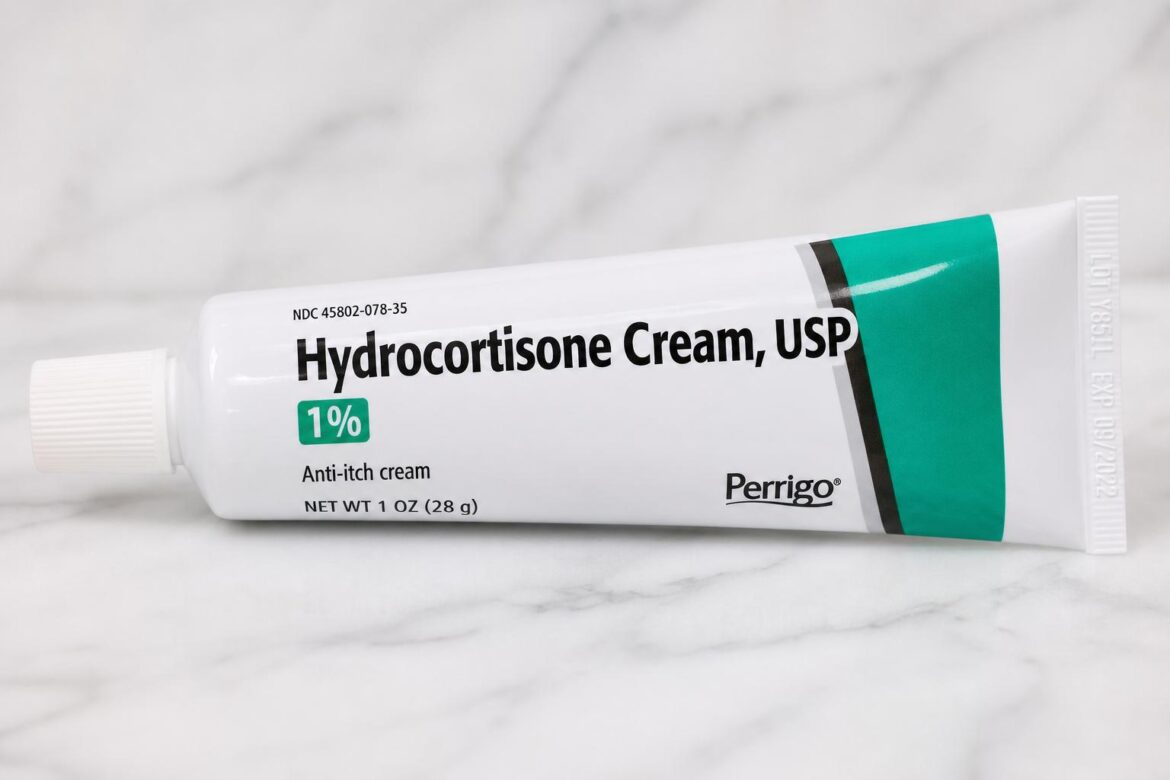
It starts with a familiar itch. Maybe it’s winter in Winnipeg and your hands are raw and angry. Maybe you brushed against poison ivy near the Rideau Canal. Maybe it’s just a cluster of blackfly bites after a long weekend at the cottage. Whatever the trigger, you’re standing in a pharmacy aisle in Toronto, Halifax, Calgary, or Yellowknife, squinting at boxes and hoping for a fast, safe fix. Hydrocortisone cream is often the right move—if you know how to use it well.
This guide cuts through noise and marketing. You’ll learn exactly what hydrocortisone cream is, how it works, which rashes it can calm, and when you should not use it. We’ll cover how to apply it correctly (including fingertip units), dosage frequency, duration limits, and how to choose between cream, ointment, or lotion for Canada’s seasons. You’ll find clear safety advice for children, pregnancy, eyelid use, and sensitive areas; what to do for poison ivy and bug bites; what happens if you use it on ringworm; and when it’s time to see a professional. You’ll also get Canadian specifics: what’s over-the-counter vs prescription, typical prices, how pharmacists in many provinces can now prescribe for minor skin conditions, and what to do with expired tubes.
By the end, you’ll know how to use hydrocortisone with confidence—saving time, money, and a lot of scratching.
What Hydrocortisone Cream Is (And How It Works)
Hydrocortisone is a topical corticosteroid—a medicine that reduces inflammation in the skin. In plain language, it tells your skin’s immune cells to calm down. The redness, itching, and swelling from eczema or allergic contact dermatitis come from local immune signals and tiny blood vessels dilating. Hydrocortisone narrows those vessels and quiets inflammatory chemicals, so the area becomes less itchy and less red, and it stops oozing.
Among steroid creams, hydrocortisone is on the gentle end. Pharmacists sometimes call it a “low-potency” or “mild” steroid. Potency matters because it relates to both effectiveness and risk of side effects. For thin-skinned areas (eyelids, face, groin, armpits), low-potency options are preferred when a steroid is needed, and hydrocortisone is often first-line.
Hydrocortisone shows up in several forms: cream, ointment, lotion, and less commonly gel or foam. Beneath the label, you might see “hydrocortisone” or “hydrocortisone acetate”; both are effective at this strength in everyday use. Although it’s the same active ingredient, the vehicle—cream versus ointment—changes how it feels on the skin and how deeply it penetrates. More on that shortly.
What It Treats—and What It Doesn’t
Hydrocortisone cream is designed to settle inflammation and itch. It does not kill germs. That single sentence explains both its strengths and its limits.
Typical problems hydrocortisone can help
In Canada, people commonly reach for hydrocortisone cream for:
- Atopic dermatitis (eczema) flares: Red, itchy patches that worsen with dry air, harsh soaps, or fragrance. Hydrocortisone cream is a well-established option for mild flares, especially on the face and neck.
- Allergic contact dermatitis: Reactions to poison ivy, nickel in jewelry, fragrances, or cosmetics. Hydrocortisone helps the immune-driven itch and redness while the trigger is removed.
- Irritant contact dermatitis: Chapped, cracked hands from frequent washing or sanitizer use—very Canadian in winter. A brief course can settle the flare while you repair the skin barrier with moisturizers.
- Insect bites and stings: Mosquitoes, blackflies, midges—hydrocortisone reduces the itchy bump and surrounding redness once any stinger is removed and the area is cleaned.
- Mild seborrheic dermatitis on the face: A short course may soothe redness and itch around the nose or eyebrows, but combine it with antifungal shampoos or creams targeting the underlying yeast. Keep courses brief on the face.
- Intertrigo (skin fold irritation): In the groin or beneath the breasts, short-term use can settle inflammation. Consider antifungals if there’s a yeast component; don’t rely on steroids alone.
- Mild psoriasis in delicate areas: For eyelids or folds, a low-potency steroid like hydrocortisone may be used briefly under professional guidance. For thicker plaques on elbows and knees, hydrocortisone is often too mild on its own.
Conditions where hydrocortisone is not appropriate
Some rashes hide in plain sight, and steroids can make them look better before they get worse. If you’re unsure, ask a pharmacist or clinician before applying anything.
- Fungal infections (ringworm, athlete’s foot, jock itch): Hydrocortisone alone can suppress redness and itch, temporarily “masking” the infection while it spreads—this is called tinea incognito. Use an antifungal (e.g., clotrimazole, terbinafine) and add a steroid only if directed for short-term itch control.
- Untreated bacterial infections (impetigo, cellulitis): Hydrocortisone cream won’t treat infection and can worsen it. Look for honey-coloured crusts or rapidly spreading redness, swelling, heat, or pus—these need medical assessment.
- Viral rashes: Cold sores, shingles, or chickenpox don’t benefit from hydrocortisone. In fact, steroids may make them worse on delicate sites.
- Acne, rosacea, perioral dermatitis: Steroids can trigger or aggravate these conditions, especially around the mouth and nose. For these, talk to a clinician about alternatives.
- Chronic, thick plaques of psoriasis: Hydrocortisone is often too weak unless the location demands a mild option. Stronger prescription creams or non-steroid options are usually more effective.
When in doubt about the cause of a rash—especially if it’s painful, blistering, rapidly changing, or spreading—pause and get advice. In many provinces, pharmacists can assess and treat minor skin conditions, and they’ll tell you if a stronger medicine or referral is necessary.
OTC vs Prescription in Canada: What You Can Buy and When to See a Pro
Canadian access is straightforward:
- Over-the-counter hydrocortisone: Up to 1% strength is non-prescription. You’ll find it at Shoppers Drug Mart/Pharmaprix, Rexall, London Drugs, Jean Coutu, Guardian/IDA, Walmart, Costco, and independent pharmacies. Expect generic “store brand” versions alongside brand-name options; both follow Health Canada standards.
- Prescription hydrocortisone: 2.5% strength requires a prescription. Combinations with antibiotics (e.g., fusidic acid plus hydrocortisone) and other prescription-only steroid mixtures also require a script.
Because 1% hydrocortisone cream is mild, it’s a sensible first option for many itchy, inflamed spots. If you’ve used it correctly for up to a week and the area isn’t better—or it’s getting worse—see a healthcare professional to confirm the diagnosis and adjust treatment.
Prices and practicalities
Price varies by brand, size, and province, but typical ranges for over-the-counter products are:
- 15 g tube of 1% hydrocortisone cream or ointment: about $7–$15 CAD
- 30 g tube of 1% hydrocortisone cream or ointment: about $12–$22 CAD
Prescription 2.5% hydrocortisone creams are often in the $15–$35 range for small tubes before insurance. Combination products can cost more. Private insurance plans often cover prescription items; over-the-counter purchases usually aren’t reimbursed, though health spending accounts may allow them. Keep your receipt if you use a workplace benefits card. On the label, look for a DIN (Drug Identification Number), bilingual packaging, and an expiry date.
Pharmacist assessment and prescribing
In many provinces and territories, pharmacists can now assess and prescribe for certain minor ailments, including common skin issues like insect bites, mild eczema flares, or allergic contact dermatitis. This can save a clinic trip when symptoms are straightforward. The exact list of conditions varies by province—check your provincial college of pharmacists website or ask at the counter. If you’re in Ontario, Alberta, Nova Scotia, New Brunswick, Saskatchewan, or British Columbia, there’s a good chance your local pharmacist can help you decide if hydrocortisone cream is right for your situation or if you’d benefit from a different treatment.
Cream vs Ointment vs Lotion: Choosing the Right Vehicle (Season Matters)
Same ingredient, different feel—and sometimes different results. The base affects how well a topical steroid penetrates and how comfortable it is to use.
- Cream: Oil-in-water emulsion. Absorbs quickly, light feel, less greasy. Good for daytime and most body areas. Can sting on raw or cracked skin due to emulsifiers or preservatives.
- Ointment: Petrolatum-based and occlusive. Feels greasier but seals in moisture and increases medication penetration. Excellent for dry, scaly patches and Canada’s winter air. Usually fewer preservatives, so less stinging on broken skin.
- Lotion or solution: Thinner, spreads easily over hairy areas like the scalp or a bearded face. Useful for mild dermatitis under hair where creams clump.
- Gel/Foam: Less common in 1% hydrocortisone, but helpful for scalp or oily skin areas. May contain alcohols that sting on open skin.
If your eczema flares when the humidex drops in January, ointment often outperforms cream because it traps moisture and helps repair the barrier. In humid summer months—or for skin folds where you want less occlusion—cream or lotion may be more comfortable. If you’ve never tried both, it’s reasonable to buy a small tube of each and see which your skin prefers for the season and area.
How to Use Hydrocortisone Cream Properly
Technique matters as much as the product. Many people use too little, stop too soon, or apply it in the wrong order with moisturizers. Here’s a practical approach based on common dermatology guidance.
Before you start
- Confirm the problem fits: itchy, red, non-infected rash, bug bites, or mild eczema flare. If the rash is weeping pus, blistering, or painful, or you see ring-shaped lesions with a clear advancing edge (suggestive of ringworm), pause and get advice.
- Wash hands and gently clean the area with lukewarm water. Pat dry—don’t rub.
- Consider a patch test for the first use on the face: apply a small amount on a discrete spot, wait 24 hours, and confirm there’s no stinging or unusual reaction.
How much to apply: the fingertip unit (FTU) method
“A thin layer” sounds vague. The FTU method is clearer: one fingertip unit is the amount of cream squeezed from a standard tube (5 mm nozzle) along an adult’s fingertip, from the last crease to the tip. One FTU is roughly 0.5 g and covers about two adult handprints of skin (front and back of your hand is one “handprint”). Scale down for small children.
| Body area (adult) | Approx. FTUs | Approx. grams |
|---|---|---|
| Face and neck | 2.5 FTUs | ~1.25 g |
| One arm (front and back) | 3 FTUs | ~1.5 g |
| One hand (front and back) | 1 FTU | ~0.5 g |
| One leg (front and back) | 6 FTUs | ~3 g |
| Trunk (front) | 7 FTUs | ~3.5 g |
| Trunk (back including buttocks) | 7 FTUs | ~3.5 g |
Children need less. As a rough guide, a 4-year-old needs about one-third the adult dose for the same area; a 12-year-old, about two-thirds. When treating only small patches, you’ll use far less than these totals.
How often to apply
For over-the-counter 1% hydrocortisone, once or twice daily is enough for most cases. Applying more often doesn’t speed results and can irritate. Many Canadian labels still mention up to 3–4 times a day; modern practice usually favours 1–2 times daily to balance effect and safety. Follow your product label, and don’t exceed the recommended frequency unless a clinician directs you.
Cream first or moisturizer first?
You’ll hear both. Evidence suggests either sequence is fine if you’re consistent. A simple approach:
- If the area is very dry and cracked, apply your fragrance-free moisturizer first, wait a few minutes, then apply hydrocortisone to the red, itchy patches.
- If the skin is inflamed but not very dry, apply hydrocortisone first to the affected spots, wait 10–15 minutes, then moisturize the whole area.
Either way, moisturize generously at least twice daily. For eczema, barrier repair is half the battle—especially through a Canadian winter with indoor heating.
How long to use it
- Self-treatment: Up to 7 days on the body without medical advice is typical for over-the-counter hydrocortisone cream. If not improved after a week, re-evaluate.
- Face, eyelids, skin folds, groin: Keep courses short—often 3–5 days—unless your clinician advises otherwise. Sensitive areas absorb more steroid, so shorter use is safer.
- Children: Use the lowest effective amount for the shortest time, and involve a clinician for persistent or recurrent rashes.
Once the redness and itch have clearly calmed, taper by reducing to once daily for a day or two, then stop. For chronic eczema prone to relapses, a clinician might recommend “proactive” maintenance (e.g., using hydrocortisone once daily on weekends only for a few weeks). Don’t start maintenance routines without personalized guidance.
What not to do
- Don’t cover the area with airtight bandages or plastic wrap unless told to (occlusion dramatically boosts absorption and risk of side effects).
- Don’t apply hydrocortisone cream on broken, infected, or weeping areas without medical advice.
- Don’t use it inside the nose, in the ear canal, or on the genitals unless directed. Dedicated rectal hydrocortisone products exist for hemorrhoids—use those specifically and only briefly.
- Don’t share tubes. Skin infections and allergens differ from person to person.
Safety, Side Effects, and Red Flags
Used correctly, 1% hydrocortisone is safe for short courses. Still, it’s good to know what to watch for—and why “lowest potency that works” is a sound principle.
Common, usually mild effects
- Brief stinging or burning when first applied, especially on chapped or shaved skin. Ointments often sting less than creams.
- Dryness or irritation from certain cream bases. Switching to ointment or a different brand can help.
Less common with short-term use, more likely with prolonged or excessive use
- Skin thinning (atrophy), easy bruising, visible small blood vessels (telangiectasias)
- Stretch marks, especially in areas under tension (inner thighs, armpits)
- Lightening of treated skin, particularly on darker skin tones
- Worsening acne or steroid-induced rosacea, especially on the central face
- Perioral dermatitis (red bumps around the mouth and chin)
These effects usually come from frequent, long courses or using stronger steroids, but they’re the reason we keep hydrocortisone courses short on the face and folds.
Eyes and eyelids
Short courses of low-potency hydrocortisone on eyelids can be safe when necessary. Avoid getting it in the eye. Prolonged use around the eyes has been associated with glaucoma and cataracts, especially with stronger steroids. If your eyelid eczema routinely needs a steroid, ask about non-steroid options like calcineurin inhibitors (prescription) that can be safer for long-term use.
Systemic absorption
With 1% hydrocortisone on small areas for a week or two, systemic side effects (like HPA axis suppression) are exceedingly unlikely. Risk rises with large areas, under occlusion, on broken skin, or in infants due to higher surface area to body weight. If you have concerns (e.g., you need to treat widespread eczema), involve a clinician to choose the right plan.
Pregnancy and breastfeeding
Topical low-potency steroids are generally considered safe in pregnancy and breastfeeding when used sparingly on limited areas. Avoid applying on the nipple or areola just before nursing; cleanse the area first. If you’re using hydrocortisone cream frequently or on large areas during pregnancy, get individual advice to optimize the plan.
When to seek medical care
| Situation | Why it matters |
|---|---|
| No improvement after 5–7 days of correct use | Diagnosis might be wrong (e.g., fungal infection), or you may need a stronger or different treatment |
| Worsening redness, heat, pain, swelling, pus, or fever | Possible infection; steroids won’t help and can mask signs |
| Frequent relapses on the face or eyelids | Consider safer long-term alternatives and allergy evaluation |
| Rash in infants, especially under diapers | Occlusion increases absorption; diaper rashes vary in cause |
| Blistering, target-shaped lesions, or rapidly spreading rash | Could indicate conditions that need urgent assessment |
If you’re unsure and it’s after hours, call your province’s health line (e.g., 811 in BC, AB, SK, QC, and NS) or use a reputable virtual care service for quick triage.
Hydrocortisone for Real-World Canadian Situations
Eczema flares in January
Cold air outside and forced-air heating indoors strip moisture from skin. If you have atopic dermatitis, winter in Canada can feel like a months-long trigger. Hydrocortisone cream or ointment helps control flares, but the foundation is a serious moisturizing routine. Choose a heavy, fragrance-free cream or an ointment with ceramides or petrolatum. Apply at least twice a day, and right after showers. A humidifier set to 40–50% helps. When a patch turns red and itchy despite good moisturizing, use 1% hydrocortisone once or twice daily for a few days until calm, then stop and maintain with moisturizers.
Consider wet wrap therapy for stubborn, dry patches: after a bath and moisturizer, apply a thin layer of hydrocortisone to the inflamed areas if directed, cover with a damp cotton layer (like a damp T-shirt or gauze), then a dry layer overtop for a couple of hours or overnight. Don’t do this without guidance on sensitive areas; occlusion can increase absorption.
Mosquito and blackfly season (hello, cottage country)
For itchy bites, wash the area, apply a cool compress, then a small amount of hydrocortisone cream to the raised, red halo. Repeat once or twice daily for 2–3 days. Resist the scratch: broken skin invites infection, especially on the lower legs. If swelling is significant or hives appear elsewhere, consider an oral non-drowsy antihistamine. Topical antihistamines (like diphenhydramine creams) are not recommended—they often cause allergic skin reactions with repeated use.
Poison ivy, oak, and sumac
Poison ivy is common in Ontario and Quebec and shows up along trails and riverbanks. The rash is an allergic reaction to urushiol, an oil in the plant’s sap. First rule: wash the skin, clothes, and any gear that touched the plant with dish soap or rubbing alcohol as soon as possible—ideally within 10–15 minutes, but even later washing reduces spread from residual oil. Don’t scrub hard; you can further irritate skin.
Hydrocortisone cream can help mild poison ivy reactions, especially on the face or folds where gentle treatment is needed. Apply 1–2 times daily for a few days. For moderate or severe cases (extensive blistering, face swelling, or genital involvement), see a clinician; systemic steroids are often needed for 2–3 weeks to prevent rebound. If blisters weep or crust heavily, you may also need infection prevention advice.
Rashes on the face
Eyelids and the central face are sensitive. If a fragrance, makeup, or sunscreen sets off a red, itchy patch, 1% hydrocortisone can settle it over 3–5 days. Remove the trigger and switch to hypoallergenic, fragrance-free products. Be careful around the eyes; use tiny amounts and stop once controlled. If the area keeps flaring, consider allergy testing or prescription non-steroids (tacrolimus or pimecrolimus). Avoid using hydrocortisone cream on acne, rosacea, or perioral dermatitis; it typically backfires.
Children and diaper areas
Diaper rashes have multiple causes: moisture, friction, yeast, or irritants. Don’t self-treat with hydrocortisone under the diaper unless a clinician advises; the diaper acts like an occlusive dressing, increasing absorption. Often, the fix is frequent diaper changes, a thick barrier paste with zinc oxide, and air time. For stubborn rashes, clinicians sometimes recommend a very short course of low-potency steroid combined with antifungal or antibacterial measures if needed. Always get tailored advice for babies and toddlers.
Sunburn and shaving rash
For sunburn, the essentials are cool compresses, oral anti-inflammatories if appropriate (e.g., ibuprofen), and bland moisturizers like aloe vera gel or a fragrance-free lotion. A very brief course of 1% hydrocortisone cream can help reduce itch from a mild sunburn, but don’t use it on blistered skin. For shaving rash (pseudofolliculitis), prevention—proper technique, clean blades, shaving with the grain—and soothing moisturizers are key. A day or two of hydrocortisone cream may calm a flare.
Hemorrhoids and anal itch
Use the right product for the job. Regular hydrocortisone skin creams are not designed for rectal use. In Canada, dedicated hemorrhoid products with hydrocortisone are available; they’re meant for short-term symptom relief. If bleeding, severe pain, or prolapse occurs, see a clinician rather than self-treating.
Hydrocortisone vs Alternatives: What to Use When
Sometimes hydrocortisone is perfect. Sometimes you need something different—or something additional.
When an antifungal is better
Itchy, ring-shaped rashes with a slightly raised, scaly edge (ringworm) are fungal. Jock itch and athlete’s foot are also fungal. Reach for an antifungal (e.g., terbinafine or clotrimazole) first. If the itch is intense or the area is very inflamed, a clinician may advise adding a brief course of hydrocortisone cream, applied separately, for comfort. Don’t use steroid-only creams for fungal infections.
When an antibiotic is needed
Crusty, yellowish lesions (impetigo), rapidly spreading redness, warmth, and tenderness suggest bacterial infection. Hydrocortisone won’t help and can delay appropriate care. Many provinces allow pharmacists to assess and prescribe for minor skin infections like impetigo; otherwise, see your family doctor, a walk-in clinic, or a virtual care provider.
Non-steroid anti-itch options
- Colloidal oatmeal lotions and bath soaks: Soothing for eczema and dry itch.
- Pramoxine-containing lotions: A topical anesthetic that can relieve itch without steroid risks.
- Calamine lotion: Useful for insect bites and mild poison ivy as a drying, anti-itch agent.
- Cold compresses: Simple, effective, and underrated.
Avoid topical antihistamines (like diphenhydramine creams) and topical anesthetics like benzocaine on large areas; they frequently cause allergic contact dermatitis with repeat use.
Stronger steroids or non-steroid prescriptions
If 1% hydrocortisone cream isn’t cutting it, or you have thick, stubborn plaques, you may need a stronger topical steroid for a short time or a non-steroidal agent such as tacrolimus or pimecrolimus. For chronic moderate-to-severe eczema, advanced options exist (e.g., phototherapy or biologics) through dermatology referral. Don’t escalate steroid strength on your own; potency choice depends on the body site, skin thickness, age, and diagnosis.
Myths, Mistakes, and How to Avoid Them
“Steroids are dangerous—never use them.”
Unchecked inflammation damages skin, disturbs sleep, and increases infection risk from scratching. Low-potency steroids like hydrocortisone, used correctly, are safe and effective. The goal is to use the least potent product that works, for the shortest time needed, while focusing on moisturizers and trigger control to reduce how often you need medicine.
Using hydrocortisone on “ringworm”
Steroids make fungal rashes look deceptively better while allowing them to spread, turning a simple fix into a bigger ordeal. If a rash is circular with central clearing, or if it worsens after a few days of hydrocortisone cream, switch gears: use an antifungal and get advice.
Spot treating eczema without moisturizers
Hydrocortisone calms the fire; moisturizers rebuild the house. If you only treat flares and skip daily hydration, you’ll keep relapsing. In Canada’s dry months, think ointment or heavy cream and apply it like you mean it, especially after showers.
Smearing “a tiny dab” for a second then giving up
Under-treating can be as frustrating as over-treating. Use fingertip units to estimate a proper amount, apply 1–2 times daily, and give it 3–7 days. If it’s not helping, reassess the diagnosis.
Long-term daily use on the face
This is how you invite side effects. Keep facial courses short. If you need frequent treatment on the face, ask about non-steroid options and potential triggers like fragrance, nickel in eyeglass frames, or certain sunscreens.
Cost, Access, and Smart Buying Tips in Canada
There’s no gold medal brand. Over-the-counter hydrocortisone cream and ointment from major pharmacy chains and generics in Canada meet the same Health Canada standards. Choose a vehicle you like, look for 1% on the label, and consider these pointers:
- Check the DIN: A Drug Identification Number indicates approval for sale in Canada.
- Pick the right base: Ointment for very dry, scaly patches; cream for general daytime use; lotion for hairy areas.
- Look for fragrance-free: Especially if you have sensitive skin or eczema.
- Watch package size: If you’re treating only small patches, a 15 g tube is plenty and reduces waste.
- Ask about house brands: Store-label products are generally equivalent and usually cheaper.
Shopping online? Canadian pharmacies and retailers offer delivery; just ensure you’re buying from a reputable Canadian site (to guarantee proper storage conditions and bilingual, DIN-labelled packaging). Avoid imported “miracle creams” sold through obscure marketplaces; some illegally include strong steroids without disclosure.
Storage, Travel, and Environmental Considerations
Store hydrocortisone cream at room temperature (generally 15–30°C), away from direct heat and sunlight. Don’t freeze. Keep the cap tight to prevent drying. Most products have a shelf life of 1–3 years unopened; after opening, many are best within 6–12 months. If it smells odd, separates, or changes colour, replace it.
Flying? Creams and ointments are permitted in carry-on luggage in containers of 100 mL or less, inside your liquids bag. If you’re crossing the border, hydrocortisone 1% is common in the U.S. as well. Keep medication in its original packaging.
Don’t throw expired medicine in the trash or sink. Most Canadian pharmacies accept expired or unused medications for safe disposal—ask at the counter.
Step-by-Step: A Quick Reference You Can Screenshot
- Identify the problem: itchy, red, inflamed, non-infected patch or bug bite. If unsure, ask a pharmacist.
- Choose the form: cream for most spots; ointment for very dry or winter-chapped areas; lotion for hairy areas.
- Clean gently and pat dry. Wash your hands.
- Apply the right amount using fingertip units. For a small patch, a pea-sized amount is often enough.
- Use once or twice daily. Don’t exceed label instructions.
- Moisturize generously every day, especially after bathing.
- Limit face and fold use to 3–5 days unless directed; other areas up to about a week.
- Stop when the redness and itch settle. If not improved in 5–7 days, get advice.
- Avoid on infected-looking rashes, acne, rosacea, and suspected ringworm unless told otherwise.
- Store properly and bring expired tubes back to a pharmacy for disposal.
Frequently Asked Questions
Is hydrocortisone cream available over the counter in Canada?
Yes. Up to 1% strength is over-the-counter. Prescription-only versions include 2.5% hydrocortisone and various combination products. If you’re not sure which you need, a pharmacist can help you choose or refer you to a clinician.
How long does it take hydrocortisone cream to work?
Many people notice less itch in a few hours and visible improvement within 1–3 days. If nothing changes after 5–7 days of proper use, reassess the diagnosis. Hydrocortisone won’t fix fungal or bacterial infections.
Can I use hydrocortisone cream on my face or eyelids?
Yes, cautiously and briefly. Use the smallest effective amount of 1% hydrocortisone once daily for 3–5 days for itchy, inflamed patches. Avoid prolonged or frequent use on the face. If you need repeated courses, ask about non-steroid options.
Can children use hydrocortisone cream?
For mild eczema flares or itchy spots, clinicians often recommend low-potency hydrocortisone for short courses in children. Follow professional guidance carefully, especially under diapers or on large areas. Many OTC labels advise consulting a doctor for children under 2 years old.
Is hydrocortisone cream safe in pregnancy?
Low-potency topical steroids used sparingly are generally considered safe in pregnancy. Stick to limited areas and short courses, and rely on moisturizers and trigger control to reduce how often you need it. If you’re using it frequently or on large areas, talk to your healthcare provider.
Can I use hydrocortisone cream for ringworm or athlete’s foot?
No—use an antifungal first. Hydrocortisone cream alone can make fungal infections look better briefly while letting them spread. If itch is severe, ask a clinician if a very short course of hydrocortisone can be added alongside the antifungal.
What’s the difference between 0.5% and 1% hydrocortisone?
Both are mild, but 1% is stronger and usually more effective for short courses. If your skin is very sensitive or you’re treating a delicate area, starting with 0.5% is reasonable. If that’s not enough, 1% is the next step.
Cream or ointment—which should I pick?
Ointment seals moisture and increases penetration, great for dry, scaly eczema and cold weather. Cream is lighter and preferred for daytime or humid conditions. Many Canadians keep both on hand and switch by season and location on the body.
Can I use hydrocortisone and moisturizer together?
Yes. Moisturizers are essential, especially for eczema. You can apply hydrocortisone first on inflamed spots then moisturize 10–15 minutes later, or moisturize first then spot-treat—pick one routine and stick to it.
What are the side effects of hydrocortisone cream?
Short-term use is usually well tolerated. Possible effects include brief stinging, irritation, or dryness. With excessive or prolonged use, especially on the face or folds, you can see skin thinning, visible blood vessels, steroid acne, or perioral dermatitis. Keep courses short and use only where needed to minimize risk.
How much does hydrocortisone cream cost in Canada?
Over-the-counter 1% hydrocortisone cream or ointment typically costs about $7–$22 CAD depending on tube size and brand. Prescription 2.5% hydrocortisone and combination products vary widely and may be covered by private insurance plans.
Can pharmacists in Canada prescribe stronger treatments if hydrocortisone fails?
In many provinces, yes—pharmacists can assess and prescribe for certain minor skin conditions. If your case needs a stronger steroid or a different approach, they may be able to help directly or coordinate a referral. Check your province’s current rules.
Does hydrocortisone cream help with hives?
Hives (urticaria) are best treated with an oral non-drowsy antihistamine. Hydrocortisone cream may soothe localized itch but won’t address the root cause. If hives are frequent or accompanied by swelling of the lips or trouble breathing, seek urgent care.
Can I use hydrocortisone on a new tattoo?
Not without professional advice. Fresh tattoos are open wounds; use the aftercare recommended by your tattoo artist and avoid steroids unless a clinician tells you otherwise.
What if I accidentally apply hydrocortisone cream too close to my eyes?
Rinse gently with clean water if it gets into the eye. A one-off small exposure on the eyelid skin is unlikely to cause harm. Avoid repeated use near the eyes unless you’re following professional advice.
How should I dispose of an expired tube?
Bring it to your local pharmacy for safe disposal. Most Canadian pharmacies participate in medication take-back programs.
What if I need to treat a large area?
Don’t guess. Treating large areas with any steroid increases absorption and side-effect risk, especially in children. Get a personalized plan from a clinician; you may need a combination approach that reduces total steroid exposure.
Bottom Line
Hydrocortisone cream is a reliable, low-potency anti-inflammatory for many everyday skin flares—eczema patches, bug bites, mild contact dermatitis, and more. In Canada, 1% strength is available without a prescription and, when used properly, is both safe and effective. The keys are simple: pick the right vehicle for the job, apply the correct amount once or twice daily, keep courses short (especially on the face and folds), moisturize generously, and pause if anything looks infected or unusual. If it’s not improving within a week—or you’re not sure what you’re treating—tap your local pharmacist or a clinician. Good technique plus smart timing goes a long way toward calm, comfortable skin.